
Judge Approves Removal of Community Integration Rules in Section 504 Settlement
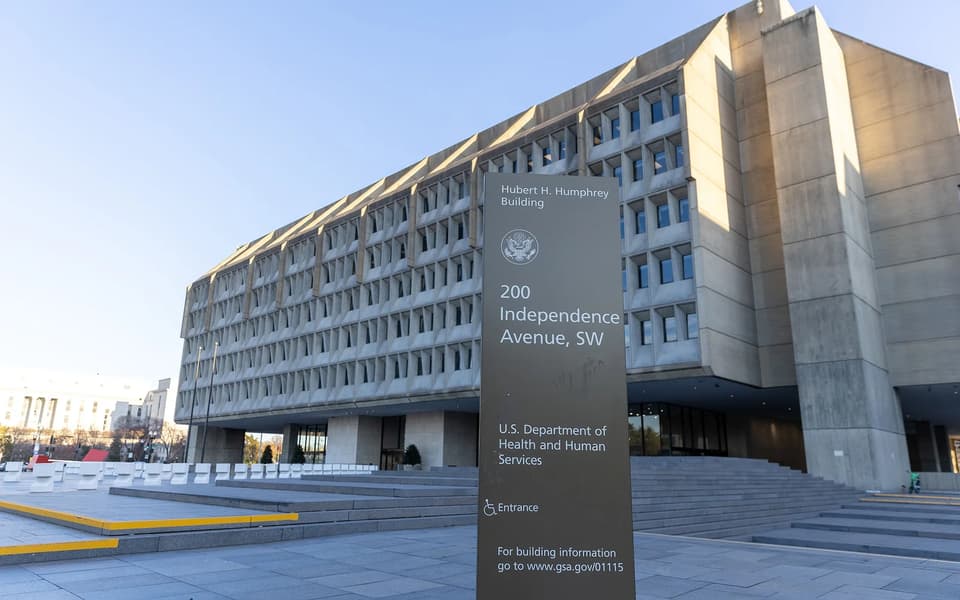
A federal judge in Texas approved a settlement that strips community integration requirements from 2024 Section 504 regulations, ending a lawsuit brought by five states. While the underlying law remains intact, advocates warn the move signals a federal retreat from enforcing the right to live in the community.
Key points
- Judge James W. Hendrix approved a settlement removing 'most integrated setting' provisions from HHS regulations.
- The settlement resolves the lawsuit Texas v. Kennedy, involving Texas, Alaska, Florida, Louisiana, and Montana.
- The Justice Department joined the states in August, citing a June memo claiming no integration mandate exists.
- Advocates argue the underlying law and Supreme Court precedent remain unchanged, but enforcement has ceased.
- Senior living and disability groups warn the ruling may lead to increased institutionalization and confusion among providers.
Background
This development follows a broader pattern of the Trump administration scaling back regulatory protections, including recent lawsuits over endangered species and environmental rules. The current dispute stems from a 2024 update to Section 504 of the Rehabilitation Act, which had been challenged by states over the inclusion of gender dysphoria as a protected disability. The case evolved from a specific dispute into a broader challenge against the integration mandate, with the federal government ultimately siding with the states.
How outlets are covering it
Disability Scoop and STAT emphasize that while the underlying law and Supreme Court precedent remain intact, the federal government has effectively surrendered its duty to enforce community integration. McKnight’s Senior Living highlights the practical uncertainty for operators, noting that states may reallocate funds to institutional facilities. Nonprofit Quarterly provides broader context on the need for inclusive futures but does not detail the specific legal mechanics of the ruling. All sources agree that the settlement creates a significant shift in federal enforcement posture, though they differ on the immediate legal impact versus the symbolic and practical consequences.
Why it matters
The ruling signals a potential end to federal enforcement of the integration mandate, which could lead to increased institutionalization of people with disabilities. It creates uncertainty for states and providers regarding their obligations under the law, potentially impacting access to community-based services and Medicaid waivers. The move also raises questions about the future of disability rights protections under the current administration.
What to watch
States and covered entities may interpret the ruling as permission to institutionalize people with disabilities, leading to increased legal challenges. Advocates may pursue new legal strategies to enforce the underlying law and Supreme Court precedent. The administration may continue to roll back other regulatory protections, potentially affecting other areas of civil rights and environmental policy.
- Trump Administration Gets OK To Scale Back Disability Protections Disability Scoop
- Federal judge rolls back landmark disability protections STAT
- Block Trump’s push to lock up disabled people newsminer.com
- Court ruling solidifies retreat from disability integration mandate enforcement, creating uncertainty for senior living operators McKnight's Senior Living
- Envisioning a Radically Different and Inclusive Future for Disabled Folks Nonprofit Quarterly
Want the full story? Read the original reporting
Read on Disability Scoop