
Pentagon orders cyber defense against foreign election meddling as Hegseth pushes military voter registration
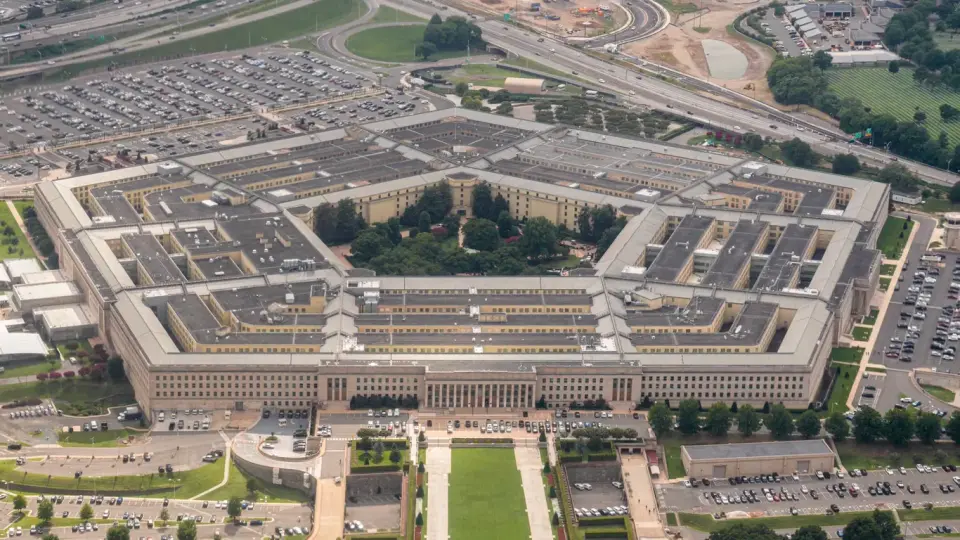
Defense Secretary Pete Hegseth has issued a directive for the Department of Defense to use advanced AI and cyber capabilities to counter foreign interference in the 2026 midterm elections. Simultaneously, he urged military personnel to register to vote, citing 300,000 unregistered service members. While the administration frames these moves as protecting democratic integrity, critics argue the voter push is a partisan tactic to influence blue districts, and the cyber directive follows a pattern of politicized election security efforts.
Key points
- Hegseth authorized a memo on Sept. 22 directing U.S. Cyber Command and defense intelligence to identify and neutralize foreign interference using AI.
- The directive relies on Trump’s 2025 order on election integrity and follows a similar 2022 effort under the Biden administration.
- Hegseth released a video urging 2.1 million service members to vote, noting 300,000 were unregistered in 2024, a number exceeding ballots in cities like Detroit and Seattle.
- The memo does not direct military personnel to the polls or seize voting machines, but Trump has not ruled out such actions.
- Critics note that while the administration focuses on foreign threats, it has cut budgets for CISA and delayed staffing for election security.
Background
This follows a period of significant Pentagon leadership changes under Hegseth, including blocked promotions and a 'culture of fear' among officers. Previous concerns about election integrity include Trump’s 2020 claims of fraud and the 2022 directive under Biden to counter foreign interference. The current move aligns with a broader trend of federal involvement in election security since 2017, when elections were designated critical infrastructure.
How outlets are covering it
Axios emphasizes the technical and legal framework of the new cyber directive, highlighting the use of AI and the lack of military deployment to polls. The New Republic frames the voter registration push as a veiled partisan order, noting Hegseth’s specific mention of blue cities and the potential impact on close races. MS NOW focuses on the political context, linking the voter push to Republican panic over midterm odds and noting the administration’s simultaneous cuts to election security budgets. All sources agree on the existence of the directives but differ on their intent and implications.
Why it matters
The intersection of military cyber capabilities and election security raises questions about the boundaries of federal power in democratic processes. The partisan framing of voter registration efforts could influence close midterm races, while the reduction in election security budgets may leave the system vulnerable to both foreign and domestic threats. This move also reflects the broader politicization of the Pentagon under Hegseth, with potential implications for military readiness and civilian-military relations.
What to watch
The Defense Department will likely implement the cyber directive through U.S. Cyber Command and the Defense Intelligence Enterprise. The voter registration push may see increased participation among service members, potentially affecting close races. The administration may face further criticism for cutting election security budgets while emphasizing foreign threats. The Justice Department’s ongoing litigation to review election materials may also progress, potentially leading to further disputes over election integrity.
- Exclusive: Hegseth directs Defense Dept. to fight foreigners who "meddle" in U.S. elections Axios
- Hegseth Issues Veiled Order to Military to Vote Republican in Midterms The New Republic
- Pete Hegseth urges troops to register to vote The Hill
- Pentagon Pete Issues Pointed Directive to Troops Ahead of Midterms Yahoo News Canada
- Monday’s Campaign Round-Up, 9.28.26: Hegseth pushes voter registration ahead of midterms MS NOW
Want the full story? Read the original reporting
Read on Axios