
Trump’s Endorsement of Irish Unity Disrupts Decades of U.S. Neutrality
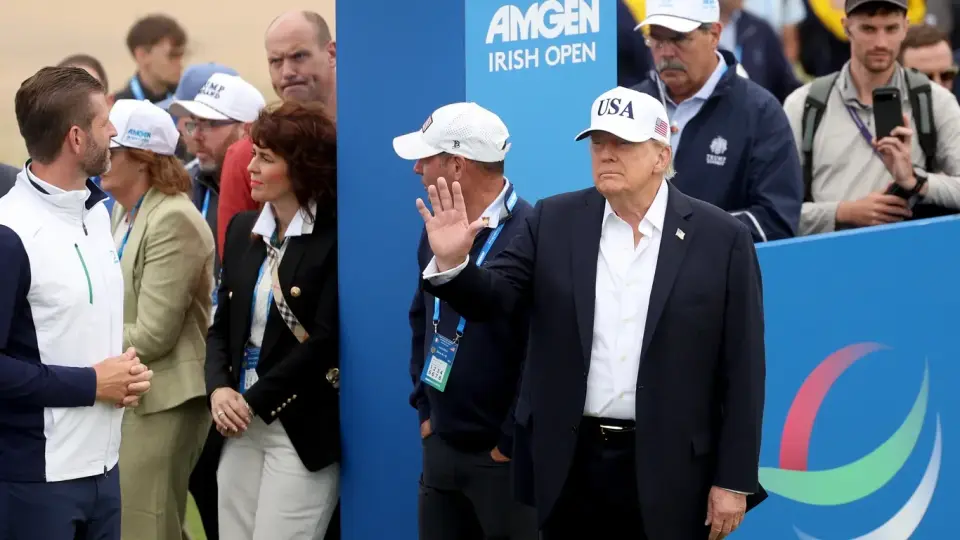
President Donald Trump broke with decades of U.S. diplomatic precedent by publicly endorsing the reunification of Northern Ireland with the Republic of Ireland during a two-day visit to Dublin. While Irish nationalists welcomed the remarks as a shift in the conversation, unionist leaders and British officials condemned the comments as an interference in a matter reserved for the people of Northern Ireland. The 1998 Good Friday Agreement, which ended decades of conflict, maintains that reunification can only occur if voters in both jurisdictions approve it, a threshold the U.K. government says is not currently met.
Key points
- Trump stated in Dublin that unification is 'going to happen eventually' and called it 'fantastic,' marking a departure from the traditional U.S. stance of neutrality on the issue.
- The U.K. government, led by Prime Minister Andy Burnham, reiterated that a referendum on reunification is 'off the table' due to a lack of majority public support in Northern Ireland.
- Unionist leaders, including Gavin Robinson of the Democratic Unionist Party, emphasized that Northern Ireland’s constitutional future is determined solely by its own voters, not by external commentary from Washington or London.
- Irish nationalists, including Sinn Fein President Mary Lou McDonald, seized on the comments to argue that the political landscape for reunification has shifted, despite the lack of a formal majority in polls.
- The visit coincided with the Irish Open at Trump’s golf club in County Clare, where he also announced the removal of tariffs on Irish whiskey, suggesting a personal rather than strictly diplomatic motivation for his remarks.
Background
The 1998 Good Friday Agreement, brokered with U.S. assistance, established a framework for peace in Northern Ireland based on consent and parity between unionists and nationalists. Previous U.S. presidents, including Bill Clinton, explicitly maintained neutrality, stating the U.S. was neither in favor of nor opposed to a united Ireland. While support for reunification has grown in recent years due to post-Brexit economic frustrations and increased cross-border ties, no clear majority has been established to trigger a formal border poll.
How outlets are covering it
Axios highlights the unprecedented nature of Trump’s stance, noting that he broke with a long-standing presidential convention of neutrality. The New York Times frames the comments as a significant diplomatic curveball that challenges the delicate balance of the Good Friday Agreement. The Washington Post suggests the remarks may have been a calculated move to irritate British officials, while also noting that the practical impact on the reunification process remains limited by the legal requirements of the 1998 agreement. Unionist leaders view the comments as a failure of international statecraft, whereas nationalists see them as a catalyst for renewed political momentum.
Why it matters
Trump’s comments challenge the foundational principle of the Good Friday Agreement, which relies on the consent of the people of Northern Ireland to determine its constitutional status. By taking a side, the U.S. risks destabilizing a peace process that has held for over two decades, potentially inflaming tensions between unionist and nationalist communities and complicating Anglo-Irish relations.
What to watch
The U.K. government will likely continue to downplay the impact of Trump’s remarks, emphasizing that no referendum will be held without a clear majority in Northern Ireland. Irish nationalists may use the comments to pressure the Irish government to prioritize reunification in its political agenda, while unionist leaders will likely intensify their efforts to reassure the public that the status quo remains secure. The debate is expected to remain a focal point in Anglo-Irish and U.S.-U.K. diplomatic discussions.
- Why Trump's united Ireland stance hit such a nerve Axios
- For Trump, a Golf Trip to Ireland Tees Up a Reunification Controversy WSJ
- Trump Says Irish Unification Would Be ‘Fantastic,’ Breaking With Precedent The New York Times
- Trump pokes the U.K., and Ireland’s unity debate catches fire The Washington Post
- Trump reiterates support for united Ireland, says won't talk about Scotland 'yet' Reuters
Want the full story? Read the original reporting
Read on Axios