Rahm Emanuel, in a Tel Aviv speech, warned that the U.S.–Israel alliance is at a crossroads and urged Israel to abandon a militaristic path, arguing that unconditional U.S. support contributes to Palestinian suffering and should be conditioned to push Israel toward a more moderate, humane policy.
U.S. forces struck Iranian railway bridges and other infrastructure, including a bridge on the Tehran–Mashhad line, disrupting passenger trains as millions prepared for Ayatollah Ali Khamenei’s burial in Mashhad. Iran reported no casualties and condemned the strikes amid ongoing tit-for-tat actions, while U.S. Central Command said about 90 military targets were hit to degrade Iran’s ability to threaten shipping, marking a notable escalation during fragile ceasefire discussions.
At NATO’s Ankara summit, Trump revived his push to have Greenland fall under U.S. control, drawing firm warnings from European leaders that Greenland belongs to Denmark and that NATO will defend every ally, as leaders stress unity amid U.S. pressure on defense spending and other disputes.
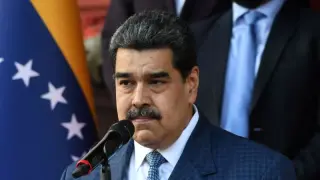
Twin earthquakes in Venezuela spur a large U.S. disaster-response effort—a $150 million package and a 250‑person DART deployment—seen as a test of Washington’s retooled aid policy that places disaster relief under the State Department after USAID cuts, with the first 72 hours crucial for survivors and analysts watching how the operation blends humanitarian relief with geopolitical aims surrounding Maduro.
Escalating Middle East tensions see Iran targeting U.S. bases and a Panama-flag tanker near the Strait of Hormuz, triggering U.S. strikes; President Trump issued a stark threat that Iran could 'no longer exist' if the conflict persists, while Tehran says ceasefire violations halted diplomacy, and broader regional clashes threaten shipping lanes.
Netanyahu’s standing with Democrats has collapsed, and a growing cohort of Republicans—especially younger and anti-intervention voices—are turning skeptical of Israel amid the Gaza war and broader Iran tensions, signaling a partisan rift that complicates U.S. support even as the party remains unevenly pro-Israel; polls show cracks in Republican backing that could shape future policy and Netanyahu’s diplomacy.
The Wall Street Journal reports the US is considering relocating and refurbishing Gulf bases, potentially moving some outposts to Israel after Iran retaliatory strikes damaged Bahrain’s naval facilities; the Pentagon has not publicly confirmed the extent of the damage. Domestically, public opinion has shifted against the Iran war, with polls showing many voters doubt it was worth it and concerns Iran will still develop nuclear weapons.
Pew’s 2026 data show Indians’ view of the US has soured: 45% view the US favourably, 31% unfavourable (a 25-year high), and only 39% have confidence in Donald Trump to do the right thing internationally—the lowest on record. Indians largely oppose Trump’s tariffs and handling of Venezuela and Iran, and Washington’s immigration policies (32% back immigration policy, 17% approve of Venezuela policy, 28% back Iran policy). The findings mark a sharp shift from earlier years when US leadership enjoyed stronger Indian support.
Trump ripped the Senate’s war-powers resolution on Iran as “poorly timed and meaningless,” insisting he’ll act if Tehran doesn’t meet his demands even as he claims Iran is currently conceding in a 60‑day negotiation window. He also attacked European allies for not backing the effort, noting four Republicans supported the measure and vowing to “get it done” one way or another.
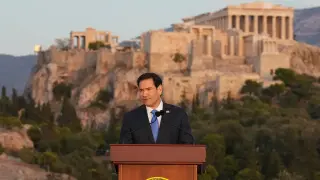
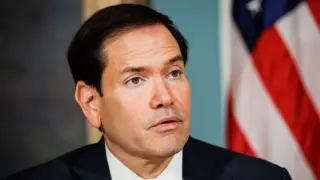
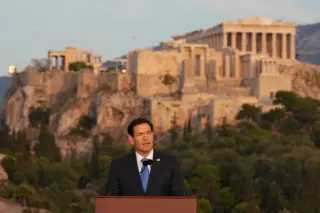
Gulf Arab states view the emerging US-Iran agreement as a turning point that could signal a U.S. security retreat, potentially emboldening Tehran and leaving key concerns like missiles and proxies unresolved. The pact would give Iran a formal role in overseeing Hormuz traffic, prompting fears about Gulf security. While U.S. Secretary of State Marco Rubio is touring the UAE, Bahrain, and Kuwait to reassure partners, many Gulf leaders remain skeptical of Washington’s commitments and are weighing diversifying defense ties, even with Turkey, and considering regional deterrence options. The plan also includes a $300 billion Iran reconstruction fund that Gulf states have yet to commit to financing, highlighting the broader question of how secure the Gulf will be under a waning U.S. footprint.
A Pew Research Center survey of 36 countries finds less than a quarter of global adults express confidence in Trump’s leadership on global affairs, with the United States at 37% favorability and Canada dropping from 83% to 35% since 2022; 56% say the U.S. government doesn’t respect personal freedoms and a median of 63% say the U.S. contributes little or nothing to global peace, with only seven nations granting a majority positive view (Israel at 81%). The findings contrast with Trump’s rhetoric of universal American strength amid ongoing tensions over Iran.
Vice President JD Vance leads negotiations with Iran after privately opposing the war, touting a deal that allows UN inspectors back in but defers the most critical decisions about Iran's nuclear program; insiders describe the move as a strategic sales job rather than a controlling policy, while critics label the interim memorandum a capitulation that could crumble under pressure from Trump and other hardliners.
With Washington stepping back from the Iran conflict, Gulf countries hosting US bases face pressure to rethink their alignment as Iran’s strikes underscored security risks. Some Gulf states may deepen ties with the US, while others seek to balance with Beijing; Iran’s missiles and drones remain a significant regional threat. Nuclear talks look unlikely to mirror the 2015 deal, and despite strains elsewhere, US-India cooperation endures beyond leadership changes.
Defense Secretary Pete Hegseth announced a six-month review of U.S. force posture in Europe, assessing troop levels, basing rights, and overflight access to press NATO allies toward taking greater responsibility for European defense and adopting a harder-edged 'NATO 3.0' posture.
US defence secretary Pete Hegseth announced a six‑month review of American forces in Europe, criticizing allies for not meeting defence spending targets and signaling planned withdrawals (including about 5,000 troops from Germany) and the cancellation of a long‑range fire battalion deployment. Washington also floated pulling major assets—one carrier strike group and submarines capable of launching cruise missiles—aimed at reshaping the NATO force model as talks ahead of the Ankara summit unfold and pushing burden-sharing to the forefront.