
2026 Midterm Watch: Key Battlegrounds and Voter Metrics to Track
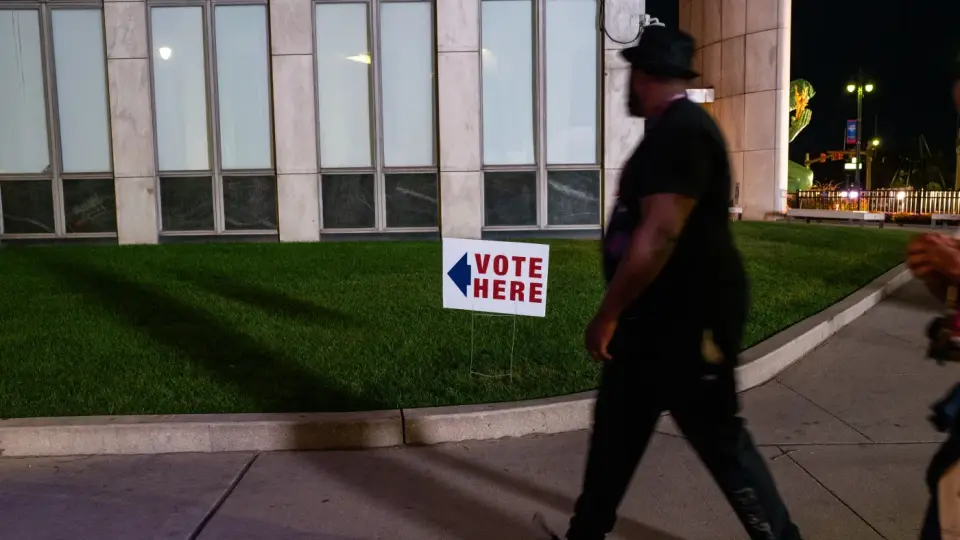
Election night 2026 will hinge on specific early indicators in Indiana, Kentucky, and Florida, as well as performance among independent and Latino voters. The Michigan Senate race is critical for Senate control, while Texas and Virginia offer key tests for Republican resilience. Analysts note that while early results may signal a Democratic wave, final Senate outcomes in Maine and Alaska could take days or weeks to confirm due to counting delays.
Key points
- Early bellwethers include Indiana’s 5th, Kentucky’s 6th, and Florida’s 22nd and 27th districts, which indicate Republican turnout and Latino voting trends.
- Republicans need at least 46% of independent voters to succeed in midterms, a threshold shifted by recent political realignment.
- The Michigan Senate race between Abdul El-Sayed and Mike Rogers is pivotal; Democrats need 68% of Wayne County votes to win unless they overperform in suburbs.
- Young voter turnout drops to 21% in midterms, but a Democratic margin of over 20 points in this group historically correlates with party success.
- In Texas, Democrat James Talarico’s path to victory depends on the vote gap between Gov. Greg Abbott and AG Ken Paxton, plus strong Latino support in South Texas.
- Polls close between 6 p.m. and 1 a.m. ET, with Maine and Alaska races potentially unresolved for days due to ranked-choice voting and mail-in counting.
Background
This election follows a period of significant political realignment, where blue-collar white voters have trended toward Republicans while better-educated white voters have shifted toward Democrats. The Democratic Party’s base became more liberal and disaffected in 2024, reaching a low 31% party identification, but high opposition to President Trump (53% disapproval) may unify the left. Previous midterms showed that while young voter turnout is low, their margin of support often predicts broader party success, except in 2022 when strong youth support helped Democrats stem a larger Republican tide.
How outlets are covering it
NPR emphasizes demographic metrics, such as independent voter shares and young voter margins, as predictors of overall success, noting that Republicans have lost when failing to secure 46% of independents. The New York Times focuses on the chronological flow of results, highlighting specific times for poll closures in Georgia, South Carolina, and Virginia, and noting that early returns may be misleading due to differences in mail-in and early voting segments. Axios prioritizes specific congressional districts, such as Florida’s 14th and 25th, arguing that survival in these redistricted seats is a binary indicator for House control, while also stressing that Senate outcomes in Maine and Alaska may not be clear until days later, unlike the faster-counting House races.
Why it matters
The 2026 midterms will determine which party controls Congress, with the Senate race in Michigan and the House races in Florida serving as critical tipping points. The performance of progressive candidates in purple districts, such as Michigan’s 7th Congressional District, will also shape the ideological future of the Democratic Party and the 2028 presidential primary. Understanding these dynamics is essential for predicting the balance of power in the next Congress.
What to watch
Analysts expect a steady stream of results from 6 p.m. to 1 a.m. ET, with early leads potentially shifting as mail-in ballots are counted. The final determination of Senate control may be delayed until days or weeks after Election Day, particularly in Alaska and Maine, where ranked-choice voting and mail-in processing extend the timeline. The outcome of these races will define the legislative agenda and the ideological direction of both major parties for the next two years.
- 6 things to watch for on election night NPR
- What Time Do Polls Close? Midterm Elections 2026 The New York Times
- Election cheat sheet: These early races could tell us where the midterms are headed Axios
- Opinion | When you’ll know if the ‘blue wave’ is real The Washington Post
- Whole Hog Politics: A guide to knowing who won by bedtime The Hill
Want the full story? Read the original reporting
Read on NPR