
2026 Midterms: Why delayed results are standard, not a sign of fraud
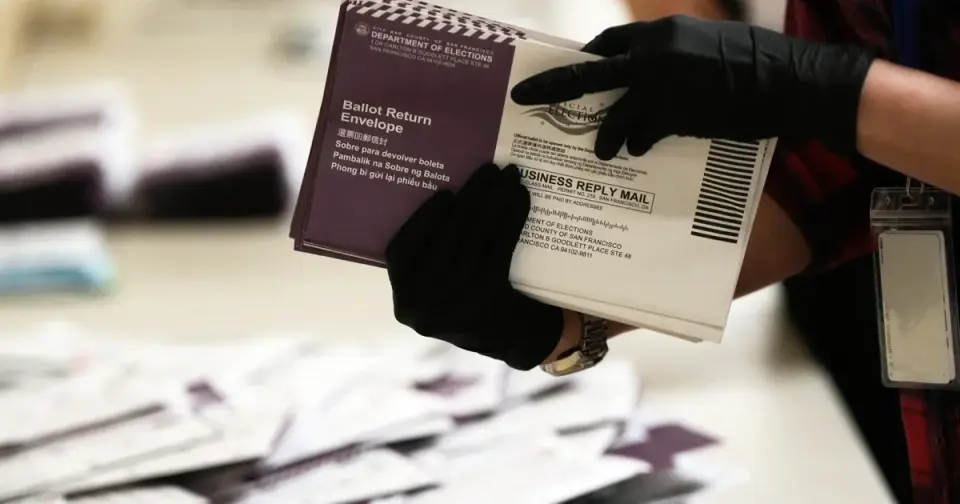
Control of the U.S. House and Senate may not be determined on Election Night 2026, a delay that experts attribute to close races and complex counting processes rather than fraud. While President Trump has conditioned his acceptance of results on 'honest' elections, analysts warn that losing candidates often spread disinformation during the lag between voting and final certification. The delay is driven by mail ballot processing, particularly in states like California and Pennsylvania, where laws restrict when officials can count votes. Experts emphasize that a slow count is a normal feature of democratic systems, not evidence of foul play.
Key points
- Control of the House and Senate may not be clear on Election Night, as close races often require days or weeks to finalize.
- President Trump stated he would accept results only if they were 'honest,' while experts predict he will spread disinformation if his party loses.
- Mail ballot processing, particularly in states like Pennsylvania and Wisconsin, slows counting because laws prevent officials from processing these ballots until Election Day morning.
- The 'red mirage' effect can occur when early in-person votes skew Republican, but later-processed mail ballots swing results toward Democrats.
- Experts note that news media projections are based on counted ballots, not total votes, meaning results can shift significantly as late batches are processed.
Background
This briefing follows recent coverage of the 2026 midterms, where Democrats require 218 House seats and four Senate gains to checkmate President Trump. Earlier reports highlighted intense campaigning, including a $3.4 million ad blitz against Senator Susan Collins and Trump's late-night attacks on Michigan candidate Abdul El-Sayed. The current focus shifts to the post-voting phase, where the mechanics of counting become central to public perception of election integrity.
Why it matters
Understanding the mechanics of vote counting is crucial for voters to distinguish between normal procedural delays and actual irregularities. As misinformation spreads during the gap between voting and certification, clear communication about why results take time can help maintain public trust in the democratic process. The 2026 midterms serve as a test case for how Americans interpret delayed results in a polarized political environment.
What to watch
Voters should expect a prolonged period of uncertainty as states certify results, with some races potentially taking weeks to finalize. News outlets will continue to update projections as mail ballots are processed, particularly in swing states. Public attention will likely focus on any claims of fraud by losing candidates, though experts emphasize that such complaints are common among those who perceive themselves as losing. The final certification of results will determine the balance of power in Congress for the next two years.
Want the full story? Read the original reporting
Read on CBS News