
53 Incoming House Democrats Pledge to Boycott Harvard Orientation Over Graduate Student Strike
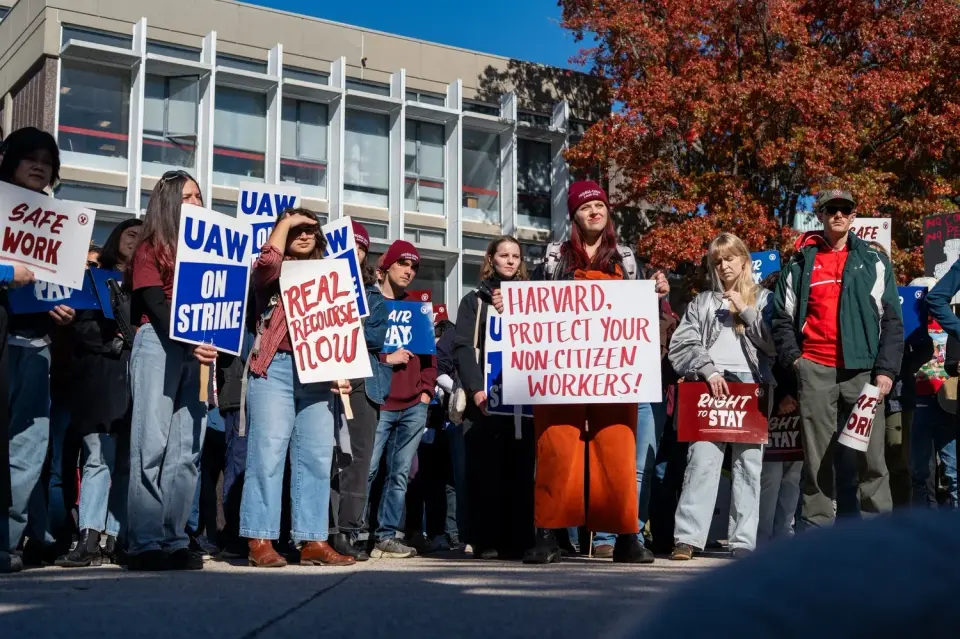
Fifty-three newly elected House Democrats have pledged to skip Harvard’s upcoming orientation for incoming lawmakers in solidarity with striking graduate student workers. The boycott targets the Bipartisan Program for Newly Elected Members of Congress, scheduled for December 6 to 8, 2026. The decision follows a prolonged labor dispute between Harvard and the Harvard Graduate Students Union-United Auto Workers, which has been on strike since October 27, 2026, over wages and workplace protections. The incoming lawmakers stated they would not cross the union’s picket line, urging university administrators to reach a fair contract before the event. The boycott marks the latest in a series of high-profile refusals to cross the picket line, joining earlier actions by author John Green and Boston Mayor Michelle Wu. The dispute remains unresolved, with a federal mediation session scheduled for December 3, 2026, ahead of the orientation.
Key points
- Fifty-three incoming House Democrats pledged to boycott Harvard’s Bipartisan Program for Newly Elected Members of Congress, scheduled for December 6 to 8, 2026, in solidarity with striking graduate student workers.
- The boycott is tied to the ongoing strike by the Harvard Graduate Students Union-United Auto Workers, which began on October 27, 2026, and demands higher wages, protections for noncitizen workers, and an independent process for harassment and discrimination complaints.
- The incoming lawmakers wrote to Harvard President Alan M. Garber, Provost John F. Manning, and Institute of Politics director Jacob Watts, stating they would not cross the union’s picket line to attend the orientation.
- The Harvard Graduate Students Union-United Auto Workers represents more than 4,000 graduate and undergraduate student workers, and the strike is the only active union strike at Harvard, as the Harvard Academic Workers-United Auto Workers ended their weeklong strike on November 20, 2026, after Harvard doubled its proposed raise to 7 percent.
- The boycott follows earlier refusals by prominent figures, including author John Green, who moved a campus event to Zoom, and Boston Mayor Michelle Wu, who withdrew as a speaker at Harvard Law School’s Class Day, to support the striking union.
Background
The Harvard Graduate Students Union-United Auto Workers strike began on October 27, 2026, and has caused significant campus disruptions, including the evacuation of a November 6, 2026, event featuring cellist Yo-Yo Ma and TV host Stephen Colbert, and a midterm exam described as a 'sonic assault' by a professor. The dispute centers on wages, benefits, and union security clauses, with the union seeking an initial raise of 9.8 percent and annual raises of 4.5 percent thereafter, while Harvard has offered a 6.1 percent raise upon ratification and 3 percent annual raises after that. The Harvard Academic Workers-United Auto Workers, representing approximately 2,600 non-tenure-track staff, initiated a separate strike on November 10, 2026, but ended it on November 20, 2026, after Harvard doubled its proposed raise to 7 percent. The Institute of Politics has hosted the Bipartisan Program for Newly Elected Members of Congress every two years since 1972, with more than 800 members participating, and the program was canceled only once in 1994, when the Kennedy School called off the session after most newly elected Republicans attended a Heritage Foundation-sponsored orientation in Baltimore instead.
How outlets are covering it
The Harvard Crimson and The Guardian both report on the 53 incoming House Democrats’ pledge to boycott Harvard’s orientation, but they emphasize different aspects of the story. The Crimson focuses on the labor dispute, detailing the union’s demands, the bargaining process, and the role of federal mediation, while The Guardian highlights the solidarity of the incoming lawmakers, including social media statements from members like Sam Forstag, Clare Valdez, and Richard Ojeda. The Crimson notes that the Harvard Graduate Students Union-United Auto Workers is the only union on strike at Harvard, while The Guardian mentions the broader context of the Harvard Academic Workers-United Auto Workers’ recent strike. Both sources agree that the boycott is a matter of solidarity with the striking workers, but The Guardian places more emphasis on the political and public relations aspects of the boycott, while The Crimson focuses on the labor negotiations and the union’s demands.
Why it matters
The boycott by 53 incoming House Democrats highlights the growing political and public pressure on Harvard to resolve its labor dispute with the Harvard Graduate Students Union-United Auto Workers. The decision to skip the orientation, which has been a tradition since 1972, signals a shift in the relationship between the university and its political allies, as the incoming lawmakers prioritize solidarity with striking workers over institutional prestige. The boycott also underscores the broader trend of labor disputes at elite universities, where workers are demanding higher wages and better protections, and it may influence future negotiations and public perception of Harvard’s labor practices. The dispute has already caused significant campus disruptions, and the boycott could further strain Harvard’s relationships with political and public figures, potentially affecting its reputation and funding.
What to watch
The Harvard Graduate Students Union-United Auto Workers and Harvard are scheduled to meet with a federal mediator on December 3, 2026, ahead of the Bipartisan Program for Newly Elected Members of Congress, scheduled for December 6 to 8, 2026. The incoming House Democrats have stated they would reconsider attending the orientation if Harvard and the union reach a deal before the program. The outcome of the mediation session will determine whether the boycott continues or if the incoming lawmakers attend the orientation. The dispute remains unresolved, and the union’s demands for higher wages, protections for noncitizen workers, and an independent process for harassment and discrimination complaints remain central to the negotiations.
- 53 Incoming Members of Congress Pledge To Boycott Harvard Orientation Over Grad Student Strike The Harvard Crimson
- Dozens of newly elected members of Congress say they’ll skip Harvard ‘orientation’ over grad student strike The Boston Globe
- 53 incoming House Democrats to boycott Harvard orientation in support of graduate students’ strike The Guardian
- New House Democrats Threaten Harvard Boycott On Union Strike Bloomberg.com
- 53 incoming House Democrats threaten to skip Harvard orientation over strike The Hill
Want the full story? Read the original reporting
Read on The Harvard Crimson