
Alaska Primary Chaos: Five Candidates Drop Out, Sparking Ranked Voting Debate
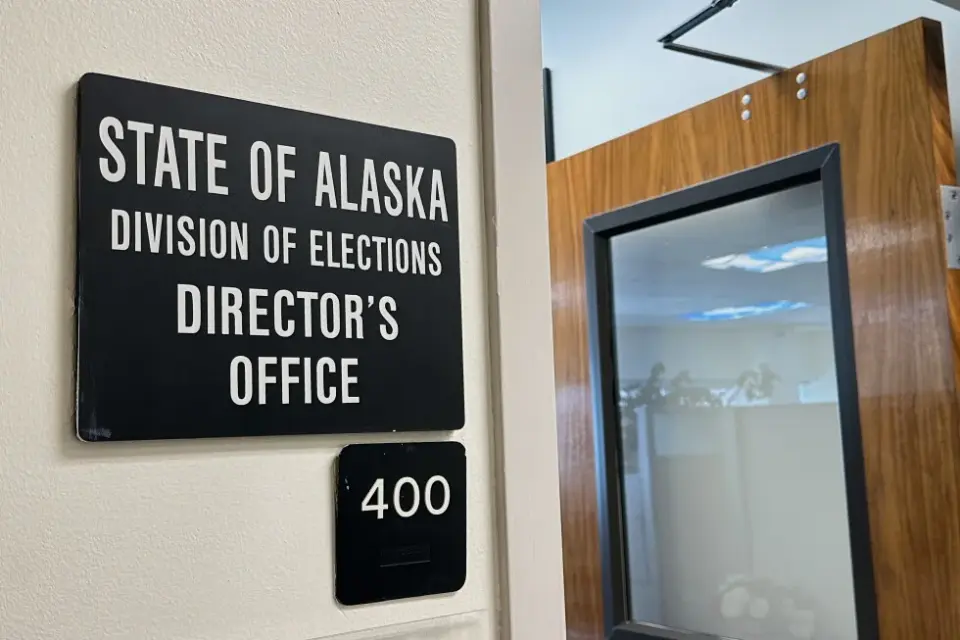
Alaska's recent primary election ended in chaos as at least five candidates withdrew from races for governor, U.S. Senate, and U.S. House after advancing. Notably, Tom Begich, who finished second in the governor's primary, dropped out to endorse the leading Democrat, Jonathan Kreiss-Tomkins. This decision has intensified debates over Alaska's ranked-choice voting system, with Republicans criticizing the method as a 'mess' that benefits Democrats, while advocates argue it expands voter choice. The state now faces a general election where voters must decide whether to keep or repeal this voting method.
Key points
- At least five candidates withdrew from various races after the primary, including Tom Begich in the governor's race.
- Begich endorsed Jonathan Kreiss-Tomkins, citing financial constraints and shared priorities, despite some voters feeling their votes were invalidated.
- Republicans are divided on strategy; some advocate a 'rank the red' approach, while others criticize ranked voting as a tool that boosts moderate and Democratic candidates.
- The U.S. Senate race features three Republicans and one Democrat, with incumbent Dan S. Sullivan and Democrat Mary Peltola leading, having won 91% of the primary vote combined.
- Advocates for ranked-choice voting, such as Alaskans for Better Elections, argue that consolidating behind one candidate is shortsighted and ignores voter complexity.
Background
Alaska has used ranked-choice voting and open primaries since 2020, a system that has drawn criticism from Republicans who argue it favors Democrats and moderates in a traditionally GOP-friendly state. Previous elections, such as the 2022 and 2024 U.S. House races, saw mixed results for Republican candidates who faced pressure to drop out after the primary. The current cycle has seen heightened tensions, with legal disputes and investigations surrounding candidates, including a same-name challenger to Senator Dan S. Sullivan. The upcoming general election will also include a ballot measure to decide the future of ranked-choice voting in the state.
Why it matters
The outcome of Alaska's primary and the subsequent withdrawals highlight the contentious nature of ranked-choice voting in the state. The decision by candidates to drop out after advancing could influence voter turnout and strategy in the general election, potentially affecting the balance of power in key races. Additionally, the upcoming ballot measure to decide the future of ranked-choice voting could have broader implications for electoral systems in other states, as Alaska's experience serves as a test case for the viability and fairness of such methods in a polarized political environment.
What to watch
Voters in Alaska will cast ballots in the general election, where they will also decide whether to retain or repeal ranked-choice voting. The outcome of the governor's race, now a matchup between Jonathan Kreiss-Tomkins and Republicans Bernadette Wilson, Dave Bronson, and Treg Taylor, will be closely watched. Additionally, the U.S. Senate race will see incumbent Dan S. Sullivan face Democrat Mary Peltola, along with two other Republican candidates. The results of these races and the ballot measure will provide insights into the effectiveness and acceptance of ranked-choice voting in Alaska.
Want the full story? Read the original reporting
Read on AP News