
Alaska House Ballot Lists Incarcerated Candidate, Mirroring Senate Controversy
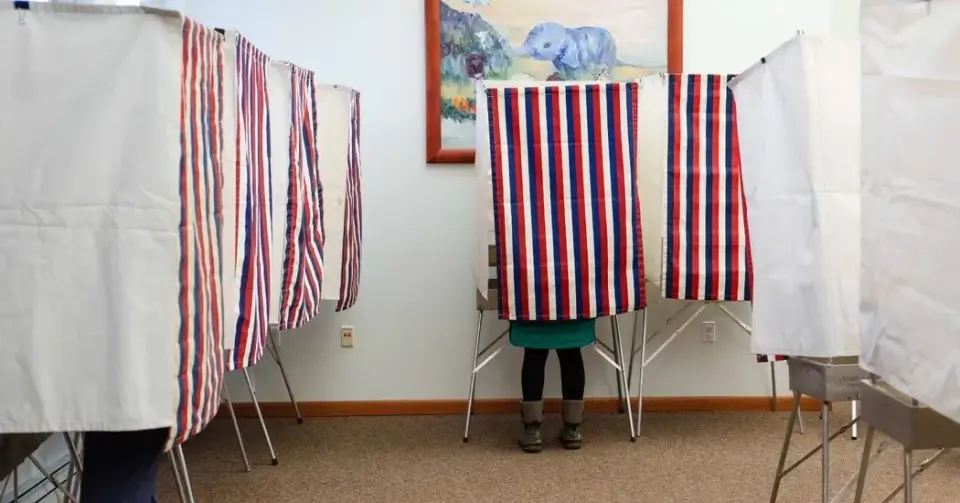
In the final days of the 2026 midterm election, voters in Alaska faced a confusing House ballot that included Eric Hafner, a candidate labeled as a Democrat but currently serving a 20-year federal prison sentence in New York. While the Alaska Democratic Party officially supported independent Bill Hill, left-leaning voters received texts urging support for Hafner. This incident echoes earlier controversies in the state's Senate race, where a duplicate name for incumbent Dan Sullivan allegedly confused voters. The situation highlights ongoing concerns about ballot integrity and potential 'ballot stacking' tactics in Alaska's tight races.
Key points
- Eric Hafner, listed as a Democrat on the Alaska House ballot, is currently incarcerated in a federal prison in Otisville, New York, serving a 20-year sentence.
- The Alaska Democratic Party and national party leaders officially endorsed independent candidate Bill Hill, not Hafner, for the House seat.
- Left-leaning voters in Anchorage received text messages urging them to vote for Hafner, raising questions about who funded the outreach.
- The House contest mirrors the Senate race controversy, where a challenger named Dan Sullivan appeared on the ballot alongside incumbent Senator Dan Sullivan, leading to accusations of voter confusion.
- Republicans have accused Democratic operatives of using dirty tricks in the Senate race, while the House ballot issue adds to concerns about election integrity in Alaska.
Background
Alaska's 2026 midterm elections have been marked by significant legal and procedural disputes. In the Senate race, incumbent Republican Dan Sullivan faced a challenge from Democrat Mary Peltola, with a potential ranked-choice tabulation scheduled for November 18. A federal lawsuit and DOJ subpoenas were issued regarding allegations that Peltola's campaign recruited a challenger with the same name as the incumbent to confuse voters. The House race adds another layer to these integrity concerns, as the state's four-person ballot included a candidate who is currently in federal prison. The broader midterm results saw Democrats secure majorities in both chambers, but Alaska's races remain unresolved due to these complications.
Why it matters
The inclusion of an incarcerated candidate on the ballot, coupled with targeted voter outreach, raises serious questions about election integrity and the potential for 'ballot stacking' in close races. This incident could influence the final outcome of the House seat and may face legal scrutiny similar to the Senate race. It also highlights the challenges of ensuring clear and accurate ballots in states with complex voting systems and tight margins.
What to watch
The final results of the Alaska House race may be delayed or subject to legal challenges if the inclusion of Hafner is deemed to have confused voters. The DOJ's ongoing probe into the Senate race may expand to investigate the House ballot issues. Ranked-choice voting tabulations in the Senate race are scheduled for November 18, which could also impact the overall political landscape in the state.
Want the full story? Read the original reporting
Read on The New York Times