
Alaska voters reject repeal of ranked choice voting, widening margin over 2024
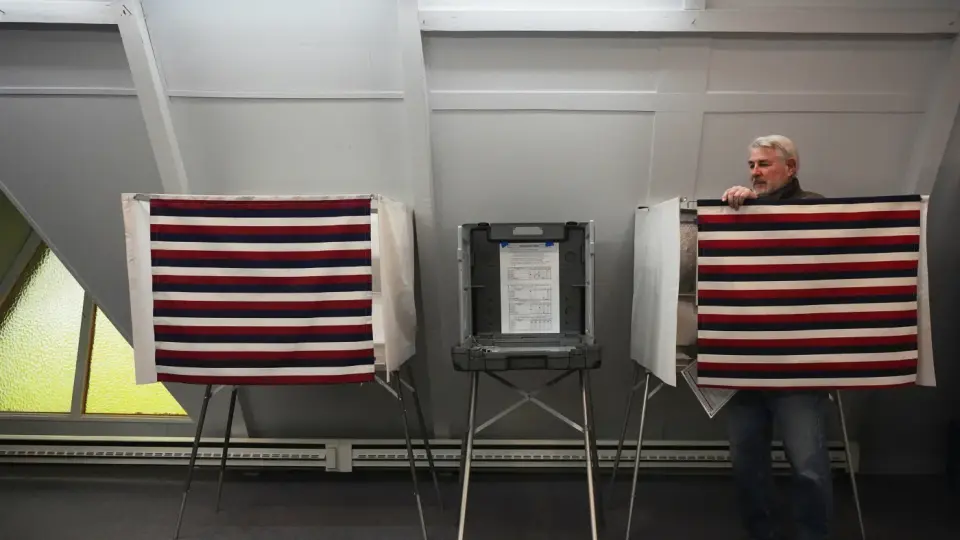
Alaska voters have rejected Ballot Measure 2, preserving the state’s nonpartisan primary and ranked choice voting system for a second consecutive cycle. The measure, which also sought to repeal campaign disclosure rules, failed by a margin of seven percentage points, a significant improvement over the 2024 repeal attempt that lost by fewer than 800 votes. The decision maintains the unique election format where all candidates appear on a single primary ballot, with the top four advancing to a general election that uses ranked choice tabulation if no candidate achieves a majority. This outcome follows a contentious 2026 U.S. Senate race involving a duplicate candidate name, which drew national scrutiny to the system. While opponents, including President Donald Trump and donor Elon Musk, criticized the method as confusing, supporters argue it fosters bipartisan governance and broader voter choice. The state will continue using this system in 2028, when Senator Lisa Murkowski faces reelection.
Key points
- Alaska voters rejected Ballot Measure 2, which aimed to repeal nonpartisan primaries and ranked choice voting, as well as campaign disclosure laws.
- The 2026 repeal effort failed by seven percentage points, a wider margin than the 2024 attempt, which lost by fewer than 800 votes.
- The 2026 U.S. Senate race featured a controversy involving an independent candidate named Dan Sullivan, alleged by some to be a spoiler for incumbent Republican Dan Sullivan, though Democrats denied involvement.
- Supporters of the system, including Unite America and local officials, argue it promotes bipartisanship and allows voters to choose candidates regardless of party affiliation.
- Opponents, including President Donald Trump and donor Elon Musk, characterized the system as confusing and fraudulent, though the repeal effort was outspent by the opposition campaign, which raised $10.4 million compared to $2.5 million for the repeal side.
- The system, first adopted in 2020 and used since 2022, is credited with fostering bipartisan coalitions in the Alaska Legislature, though critics argue it can be manipulated or cause voter confusion.
Background
Alaska adopted its nonpartisan primary and ranked choice voting system via a ballot measure in 2020, with the first election using the format occurring in 2022. A previous repeal effort in 2024 failed narrowly by fewer than 800 votes. The 2026 cycle saw heightened national attention due to the U.S. Senate race, where a duplicate candidate name led to allegations of a spoiler strategy, though a federal judge dismissed an attempt by the Trump administration to segregate ballots for the independent candidate. The 2026 governor’s race was won by Democrat Jonathan Kreiss-Tomkins, ending a 24-year Republican hold, further highlighting the impact of the election system on state leadership.
How outlets are covering it
Supporters of the system, including Unite America’s Nick Troiano and campaign manager Ruth Hall, emphasized voter freedom and the moderating effect on the state legislature, describing the 2026 result as a 'large and growing mandate.' Opponents, including President Donald Trump and donor Elon Musk, criticized the system as confusing and fraudulent, with the repeal campaign arguing it was manipulated. The Anchorage Daily News noted that the repeal effort was significantly outspent, with the opposition raising $10.4 million versus $2.5 million for the repeal side, and that the 2026 electorate was more moderate than in 2024. NBC News highlighted the federal and state investigations into the Senate race controversy, while AP News noted that the measure also sought to repeal campaign disclosure rules, a point that received less attention from repeal backers. The sources generally agree on the outcome but differ in emphasis on the causes, with some focusing on the financial disparity and others on the national scrutiny of the Senate race.
Why it matters
The rejection of Ballot Measure 2 solidifies Alaska’s unique election system, which is used in only a few states, and signals a growing acceptance of ranked choice voting among Alaskans. The wider margin of defeat in 2026 compared to 2024 suggests a strengthening mandate for the system, potentially influencing future debates on electoral reform in other states. The outcome also affects the 2028 U.S. Senate race, where Senator Lisa Murkowski will face a competitive environment under the same rules. Additionally, the preservation of campaign disclosure rules maintains transparency in political spending, a key concern for both supporters and opponents of the system. The result underscores the role of voter choice in shaping electoral systems and the ongoing national debate over the merits of ranked choice voting.
What to watch
Alaska will continue using its nonpartisan primary and ranked choice voting system in 2028, when Senator Lisa Murkowski faces reelection. The 2026 U.S. Senate race will proceed to a ranked choice tabulation if no candidate achieves a majority, with all ballots to be counted by November 18. The repeal effort’s backers have not decided whether to launch another campaign, but some, including Bernadette Wilson and Phil Izon, have indicated they may seek another ballot measure in 2028. The opposition campaign, which raised $10.4 million, will likely continue to support the system, while the repeal side, which raised $2.5 million, may reassess its strategy. The outcome of the Senate race and the governor’s race, both decided under the ranked choice system, will further shape the political landscape in Alaska and potentially influence national debates on electoral reform.
- Alaska voters aren't ditching ranked choice voting, top-four primaries NPR
- Alaskans opt to stick with ranked choice voting NBC News
- Alaska voters reject ballot measure seeking to repeal open primaries, ranked voting system AP News
- ‘A large and growing mandate’: Alaskans vote to keep ranked choice voting and open primaries Anchorage Daily News
- Alaskans vote to keep ranked choice voting, open primaries The Hill
Want the full story? Read the original reporting
Read on NPR