
Army Study Reveals ICE Shock Gloves Cause Severe Pain and Immediate Compliance
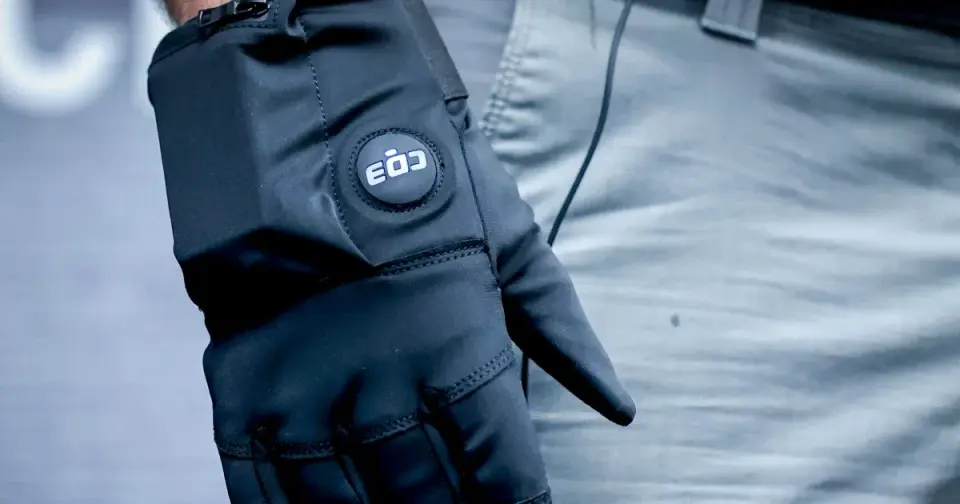
A previously unreleased U.S. Army study confirms that electric-shock gloves, which ICE plans to purchase for $16.7 million, cause intense pain and immediate compliance in test subjects. The study, conducted at Fort Leavenworth in October 2024, found that participants ceased resisting seconds after exposure and reported lasting fear of the device. Critics argue the gloves are unsafe and lack proper oversight, while ICE maintains they are de-escalation tools. Senators have demanded answers regarding training and deployment protocols, but ICE has not responded to inquiries from 16 Democratic lawmakers.
Key points
- ICE signed a $16.7 million contract in August to purchase 6,000 pairs of shock gloves from Compliant Technologies LLC, despite knowing the results of an Army study that highlighted the devices' painful effects.
- The Army study, conducted at the military prison in Fort Leavenworth, Kansas, in October 2024, found that the gloves caused 'intense pain' and led to 'immediate' compliance among participants who were role-playing combative prisoners.
- Participants in the study reported fatigue, soreness, and excessive apprehensiveness after exposure, with some noting that merely seeing the glove was enough to trigger compliance. The device works by overloading peripheral nerve endings rather than freezing the body like a Taser.
- Critics, including the watchdog group American Oversight, warn that the gloves are easy to discharge, leave no visible marks, and have not been extensively tested outside jail settings. The manufacturer advises against using them on children, pregnant women, or disabled individuals.
- U.S. Senator Catherine Cortez Masto stated that ICE has not responded to a letter from 16 Democratic senators demanding details on how the gloves will be used and managed to prevent abuse. ICE has not addressed the study's findings or the status of the rollout in recent statements.
Background
This development follows earlier reports in August 2026 that the Department of Homeland Affairs planned to spend up to $20 million on these devices, sparking civil rights concerns and legislative action in California. State lawmakers had moved to ban the purchase and use of such electric-shock devices, citing safety risks and potential for misuse. The current controversy centers on the gap between the military's assessment of the device's effectiveness and the lack of public transparency regarding its safety profile and deployment policies by federal immigration authorities.
Why it matters
The revelation that ICE leadership was aware of the Army's findings before purchasing the gloves raises significant questions about the agency's commitment to safety and de-escalation. If the devices cause intense pain and fear without extensive safety testing for vulnerable populations, their deployment in immigration enforcement could exacerbate existing concerns about excessive force and civil rights violations. The lack of response from ICE to congressional inquiries further complicates public trust and oversight of federal law enforcement tactics.
What to watch
ICE is expected to deliver the 6,000 pairs of gloves within six months of the contract signing, though White House border czar Tom Homan has indicated it may be some time before they are deployed due to ongoing training and policy adjustments. Senators continue to press for answers regarding the gloves' use and management, while critics and watchdog groups monitor for any signs of field deployment. Legal challenges and legislative efforts to restrict the use of such devices may also escalate as the rollout approaches.
Want the full story? Read the original reporting
Read on NBC News