
Beaudion Quits South Dakota Senate Race Amid Threats, Boosting Independent Bengs
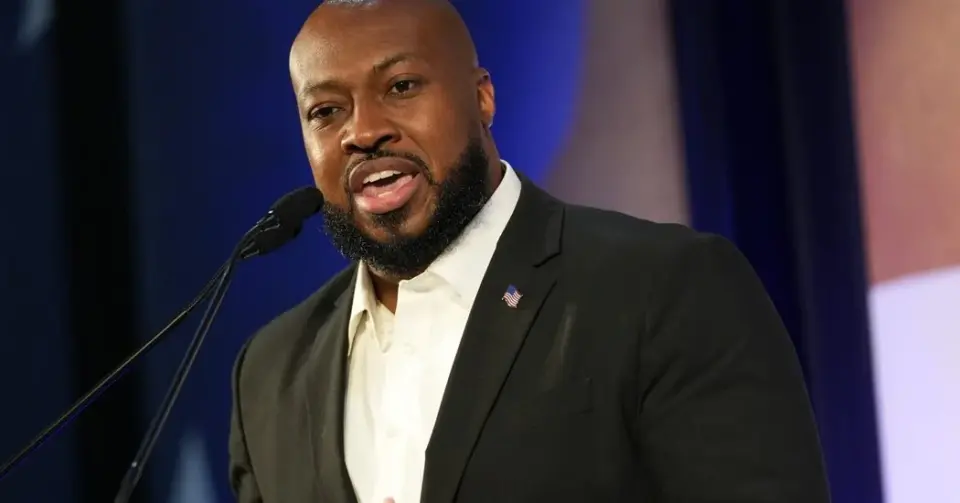
Julian Beaudion, the Democratic nominee for the South Dakota Senate, withdrew from the race on August 4, 2026, citing a house fire and threats against his family. His exit clears the path for independent candidate Brian Bengs to challenge incumbent Republican Senator Mike Rounds in November. This marks the third instance this year where a Democratic nominee in a red state has dropped out to allow an independent challenger to compete, following similar moves in Nebraska and Idaho. Beaudion stated he would not endorse either remaining candidate, while Bengs described the withdrawal as a 'patriotic decision.'
Key points
- Julian Beaudion announced his withdrawal from the South Dakota Senate race on August 4, 2026, the deadline for ballot removal.
- Beaudion cited a 'devastating house fire' and 'intimidating threats' to his family as reasons for leaving, though he did not detail the nature of the threats.
- The withdrawal allows independent candidate Brian Bengs to face incumbent Republican Senator Mike Rounds in a one-on-one contest in November.
- Beaudion explicitly stated he would not endorse or support either Bengs or Rounds.
- This is the third Democratic Senate nominee withdrawal in a red state this year, following similar exits in Nebraska and Idaho to support independent candidates.
- Bengs, a former Democrat who lost to John Thune in 2022, has touted internal polling showing a competitive race if Beaudion exited.
Background
In 2026, a pattern has emerged in deep-red states where Democratic Senate nominees have withdrawn to clear the way for independent candidates who are perceived to have better polling and fundraising potential. Similar withdrawals occurred in Nebraska and Idaho earlier in the year. In Montana, Democrat Alani Bankhead has resisted pressure to drop out in favor of independent Seth Bodnar. Beaudion’s withdrawal follows a period of intense pressure from within the Democratic party, with some figures accusing the independent candidate of 'political extortion' just days before the decision.
How outlets are covering it
The New York Times and Politico emphasize the role of party pressure in Beaudion’s decision, noting that Democrats had pushed for his exit to support the independent candidate. NBC News highlights the financial disparity between Rounds and Bengs, noting Rounds’ significant campaign funds. Dakota News Now focuses on Beaudion’s personal reasons, including a house fire and threats, without explicitly linking the withdrawal to party strategy. Beaudion himself framed his decision as a matter of family safety, while Bengs characterized it as a 'patriotic decision' to create a two-person race. Rounds’ campaign indicated its strategy would not change, suggesting Bengs is effectively a Democrat.
Why it matters
Beaudion’s withdrawal shifts the South Dakota Senate race from a three-way contest to a direct matchup between an incumbent Republican and an independent challenger. This move reflects a broader trend in 2026 where Democratic nominees in red states are stepping aside to support independents with stronger polling and fundraising, potentially altering the dynamics of competitive Senate races. The financial gap between Rounds and Bengs remains a significant hurdle for the independent candidate, but the removal of the Democratic nominee may consolidate anti-Rounds votes.
What to watch
The South Dakota Senate race will now feature a one-on-one contest between incumbent Republican Senator Mike Rounds and independent candidate Brian Bengs in November. Beaudion has indicated he will not endorse either candidate, and the focus will shift to how voters in South Dakota respond to the two-person race. Campaigns for both Rounds and Bengs will likely intensify in the lead-up to the election, with Bengs attempting to leverage his polling data and Rounds relying on his financial advantage.
- Julian Beaudion Quits Senate Race in South Dakota, Clearing Way for Independent The New York Times
- Democrat drops out of South Dakota’s Senate race, clearing path for independent candidate NBC News
- Julian Beaudion suspends campaign for US Senate Dakota News Now
- Beaudion drops out of South Dakota’s U.S. Senate race KELOLAND.com
- South Dakota Democrat exits Senate race, clears way for independent Politico
Want the full story? Read the original reporting
Read on The New York Times