
Bipartisan Holds Stall Trump’s CISA Pick After Jan. 6 Denial
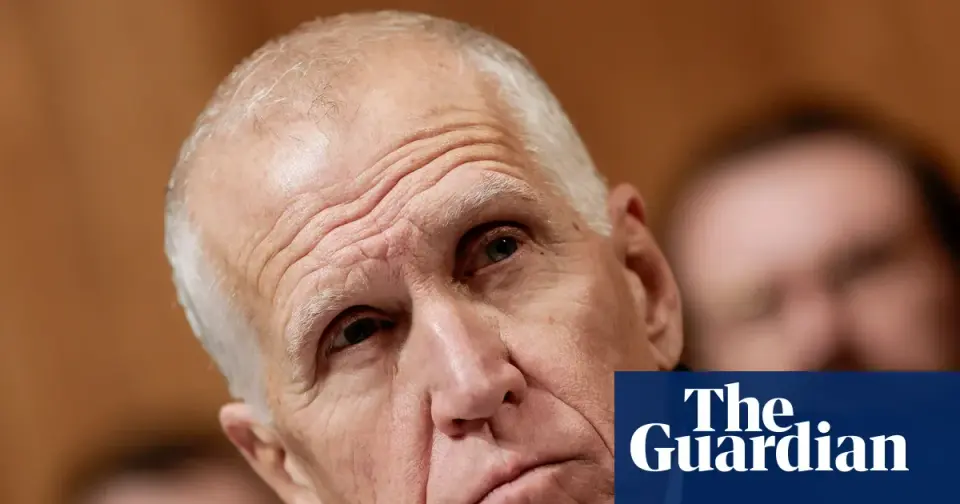
Outgoing Senator Thom Tillis and Democratic Senator Ron Wyden have placed holds on the confirmation of Michael LoSapio, Donald Trump’s nominee for the Cybersecurity and Infrastructure Security Agency (CISA). The block follows LoSapio’s refusal to acknowledge the January 6, 2021, Capitol breach as an attack during a hearing. With the Senate majority shifting to Democrats in January, the holds likely prevent LoSapio’s confirmation, leaving CISA without a permanent director for a second time.
Key points
- LoSapio, currently the chief information security officer at Palantir, denied that the Capitol was attacked on January 6, 2021, during a confirmation hearing.
- Senator Richard Blumenthal challenged LoSapio’s response, asking if he was alive on the planet, to which LoSapio replied affirmatively but maintained his denial.
- Tillis, a Republican, stated the issue is binary and that denying the event shows a lack of thoughtfulness, while Wyden, a Democrat, cited concerns about having an insurrectionist in charge of election security.
- The holds prevent the nomination from being included in a package vote scheduled for next month, before Republicans lose their Senate majority.
- CISA has lacked a Senate-confirmed director for nearly two years since Jen Easterly left office, with Nick Andersen serving as acting director.
Background
CISA has faced significant partisan tensions since 2020, particularly regarding its role in countering misinformation about elections. The agency’s previous director, Chris Krebs, was fired by Trump after stating the 2020 election was the most secure in American history. Trump later signed a memorandum criticizing Krebs for denying election fraud. The current nomination comes amid a broader Republican push to confirm nominees before losing congressional control in January, a strategy that has faced internal GOP friction over other appointments.
How outlets are covering it
The Guardian and The Hill emphasize Tillis’s role in blocking the nomination, highlighting his statement that the denial of the attack is a binary issue. AP News notes that LoSapio is not the first Trump nominee to avoid calling January 6 an attack, citing similar responses from other nominees. The New Republic highlights the bipartisan nature of the block, noting that both Tillis and Wyden placed holds, and quotes Wyden’s statement that an insurrectionist cannot lead national cybersecurity. All sources agree on the core facts of the hearing exchange and the subsequent holds, but differ in emphasis: The Guardian and The Hill focus on Tillis’s reasoning, while AP News provides broader context on similar nominee responses, and The New Republic stresses the bipartisan consensus against the nominee.
Why it matters
The block underscores deepening partisan divisions over the definition of January 6 and the role of cybersecurity agencies in election integrity. It also highlights the challenges Republicans face in confirming nominees before losing their Senate majority, potentially leaving critical positions unfilled. The incident may influence future debates on the scope of CISA’s authority and the criteria for confirming nominees to sensitive positions.
What to watch
LoSapio’s nomination is unlikely to advance before the Senate majority shifts to Democrats in January. The White House may seek to withdraw the nomination or replace LoSapio with a new candidate. CISA will continue to be led by acting director Nick Andersen, and the agency may face further scrutiny over its role in election security and cybersecurity.
- Republican senator blocks Trump cyber nominee over January 6 denial The Guardian
- Tillis blocks Trump cybersecurity nominee who refused to acknowledge Jan. 6 attack The Hill
- Trump’s pick to lead an agency protecting US elections says Jan. 6 wasn’t an ‘attack’ AP News
- GOP Senator Blocks Trump Nominee Who Said “I Don’t Know” About Jan. 6 The New Republic
- Lawmakers press CISA nominee on staffing, resources Federal News Network
Want the full story? Read the original reporting
Read on The Guardian