
Construction Begins on Arizona Border Wall Amid Tribal Dispute
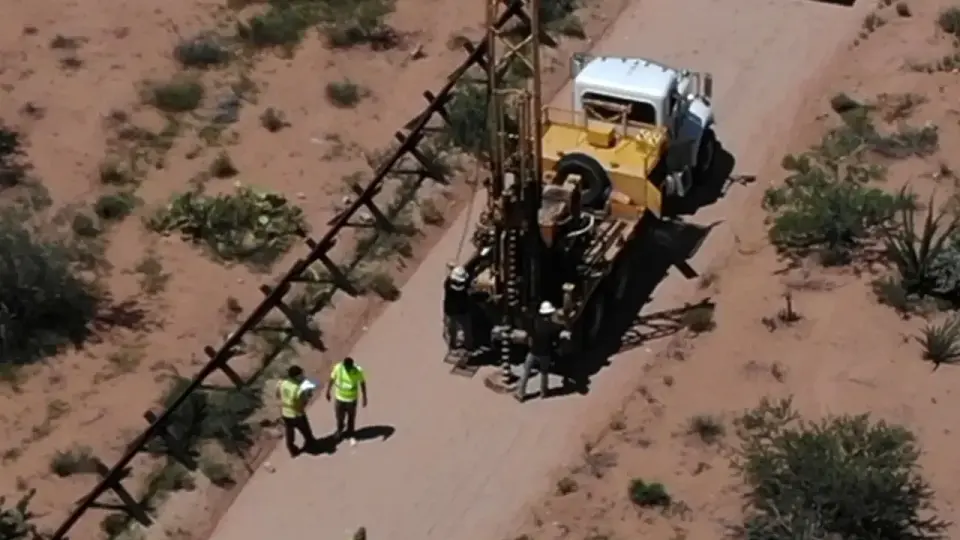
The Trump administration has commenced construction of a border wall segment in southern Arizona, despite legal and physical objections from the Tohono O'odham Nation. While federal officials cite security needs, the tribe alleges trespassing on sacred lands, leading to a standoff involving masked agents and blocked tribal police.
Key points
- Construction began on a wall segment in Arizona as part of a $46 billion border security initiative.
- The Tohono O'odham Nation, with 37,000 members, accuses federal agents of trespassing on sacred land.
- CBP deployed masked agents and vehicle blockades to prevent tribal police from issuing citations.
- A federal judge previously rejected the tribe's request for an injunction, citing federal land claims.
- The project is part of a broader effort to install 30-foot steel bollard walls and vehicle barriers.
Background
This development follows a series of legal battles in 2026. In August, U.S. District Judge Richard Leon denied a preliminary injunction sought by the Tohono O'odham Nation, allowing construction to proceed on a 60-foot buffer zone known as the Roosevelt Reservation. Prior to this, the tribe had posted 'No Trespassing' signs and previously removed contractors for lacking permits. The current construction marks the first physical work since the court ruling, escalating a dispute that has persisted since the Trump administration's first term.
How outlets are covering it
Fox News and NBC News emphasize the security rationale, quoting CBP Commissioner Rodney Scott that the area is a dangerous corridor for drug smuggling and cartel activity. Conversely, Al Jazeera and The Intercept highlight the tribal perspective, focusing on the alleged trespassing and the desecration of sacred sites. While Fox and NBC note the legal victory for the government, Al Jazeera details the tribe's claim that cross-border detentions have dropped by 95% due to their own efforts, rendering the wall unnecessary. The Intercept adds a distinct angle, reporting on a separate but related protest in Lochiel, Arizona, where activists have maintained a tree-sit for a month to block wall construction in a wildlife corridor, contrasting the Tohono O'odham legal battle with direct physical resistance.
Why it matters
The commencement of construction signals a shift from legal maneuvering to physical implementation of the border wall, potentially setting a precedent for federal authority over tribal sovereignty. The confrontation between masked federal agents and tribal police raises concerns about the escalation of conflict on Indigenous lands. Furthermore, the project's integration into a massive $46 billion infrastructure plan underscores the administration's commitment to physical barriers despite environmental and cultural objections, influencing future disputes over land use and Indigenous rights along the border.
What to watch
The Tohono O'odham Nation is exploring additional legal actions to remove contractors from their land. CBP is expected to continue construction, with a primary wall target of June 2027 and a secondary wall by summer 2028. Meanwhile, the tree-sit protest in Lochiel may continue to disrupt construction in other areas, and the tribe may pursue further litigation regarding the environmental and cultural impact of the wall on their reservation.
- Trump border wall construction kicks off in Arizona amid clash with Native American tribe Fox News
- Trump administration starts building border wall project in Arizona over tribe’s objections NBC News
- Tribe accuses US federal agents of ‘trespassing’ on indigenous border land Al Jazeera
- Masked CBP agents enter tribal land as contractors prep for border wall BorderReport
- A New Tree-Sit Movement to Block Trump’s Border Wall The Intercept
Want the full story? Read the original reporting
Read on Fox News