
Brooklyn Democratic Leaders Accused of $190K Judicial Fundraising Scheme
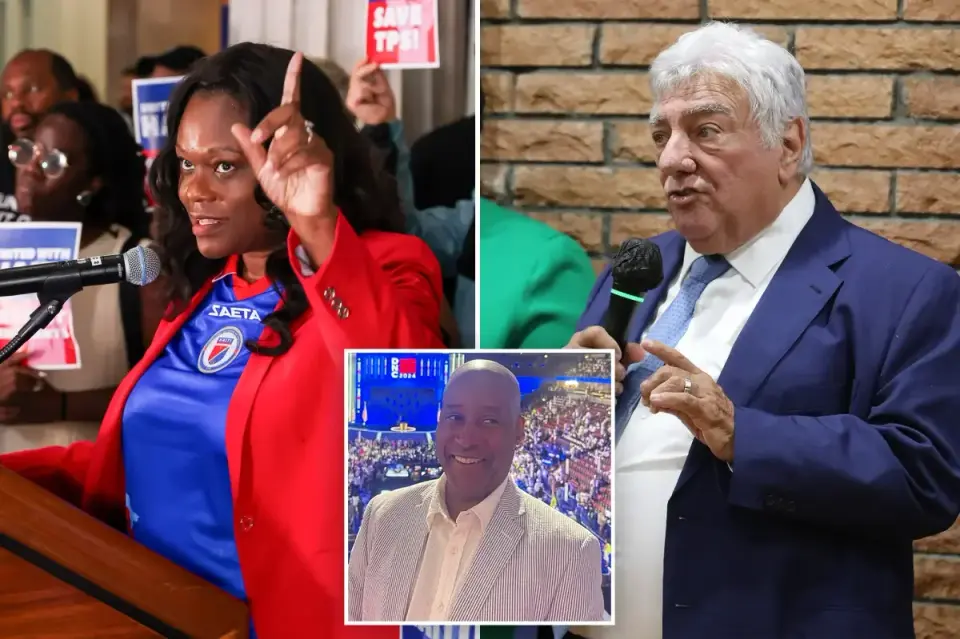
Brooklyn Democratic Party leaders are facing scrutiny for collecting nearly $190,000 from judges and judicial candidates since 2012. Critics argue these contributions function as a pay-to-play system for securing nominations, while party officials deny any influence on their endorsement decisions.
Key points
- Records show former Brooklyn party chairman Frank Seddio and current chair Rodneyse Bichotte-Hermelyn collected $190,000 from over 90 judges and candidates since 2012.
- Critics claim sitting judges bypass state rules by repeatedly declaring candidacy to maintain donation eligibility, effectively circumventing limits on political activity.
- The Shirley Chisholm Democratic Club, linked to Bichotte-Hermelyn, collected over $53,000 from 24 judges since 2013, with some payments lacking required expense details.
- Seddio and Bichotte-Hermelyn denied that donations influence nominations, asserting that selection is based on competency and qualification.
- The Commission for Judicial Conduct requested information from the New York Post regarding the alleged violations, while the state Board of Elections did not respond to inquiries.
Background
This controversy highlights ongoing tensions in New York’s judicial selection process, where local party leaders hold significant power over who appears on ballots. Previous coverage noted that while the U.S. Supreme Court upheld party control in 2008, critics argue this system undermines public confidence in judicial independence. Recent legal issues involving Brooklyn judges, including fraud allegations against former judge Edward King, have intensified calls for transparency in the nomination process.
How outlets are covering it
The New York Post frames the donations as a 'shakedown' that compromises judicial independence, citing records that suggest judges exploit legal loopholes to donate perpetually. In contrast, Spectrum News NY1 emphasizes the opaque nature of the nomination process, noting that decisions are often made behind closed doors before formal conventions. While the Post focuses on financial irregularities and potential rule-breaking, NY1 highlights the lack of transparency and the disconnect between judicial delegates and party leaders. Both outlets agree that the current system allows party loyalty to outweigh merit, but they differ in their emphasis: the Post points to specific financial violations, while NY1 focuses on the procedural opacity and the exclusion of media from decision-making events.
Why it matters
This story matters because it challenges the integrity of the judicial system in New York City. If party leaders are indeed influencing judicial appointments through financial contributions, it could erode public trust in the fairness and independence of the courts. The allegations also raise questions about the enforcement of campaign finance laws and the need for greater transparency in the nomination process. As the Commission for Judicial Conduct investigates, the outcome could lead to reforms that reshape how judges are selected in New York.
What to watch
The Commission for Judicial Conduct is expected to review the information provided by the New York Post, potentially leading to further investigations into the donation practices. The state Board of Elections may also face pressure to enforce campaign finance rules more strictly. If the allegations are substantiated, it could result in legal consequences for the party leaders involved and prompt calls for systemic changes in the judicial nomination process. Public scrutiny is likely to increase, with advocates pushing for greater transparency and accountability in the selection of judges.
- Exclusive | NYC Dem bigwigs rake in $200K from judge candidates in move critics call a ‘shakedown’ New York Post
- How local political parties control the judicial bench Spectrum News NY1
- How Surrogate's Court enriches party leaders in Queens Spectrum News NY1
- How the New York City mayor selects judges Spectrum News NY1
Want the full story? Read the original reporting
Read on New York Post