
California counties expose flaws in federal noncitizen voter lists as courts reject emergency ballot freeze
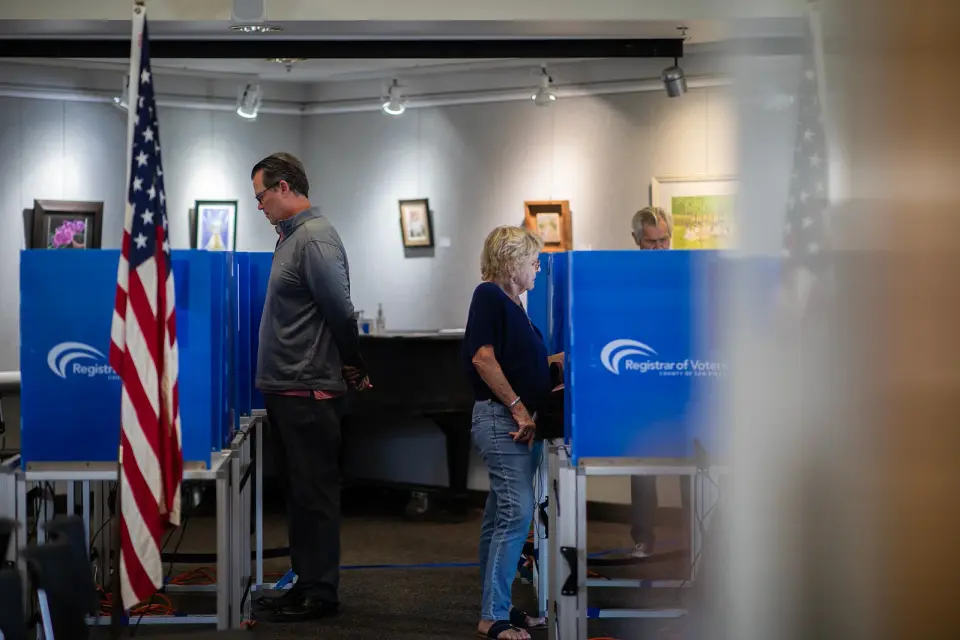
California election officials have rejected federal demands to segregate ballots from individuals flagged as noncitizens, citing significant data errors and procedural irregularities. The Trump administration’s Justice Department (DOJ) threatened criminal charges against local officials who counted these ballots, but county clerks found the provided lists to be poorly formatted, incomplete, or factually inaccurate. Federal courts have blocked the DOJ’s emergency bid to halt vote counting, with a district judge appointing a special master to investigate the federal methodology. This legal setback occurs just days before the November 3 midterm elections, as state officials maintain that the federal intervention risks disenfranchising eligible voters and violates state election laws.
Key points
- DOJ sent 48-hour demands to 57 California counties to segregate ballots from a list of 20,000 individuals claimed to be noncitizens, threatening criminal prosecution for non-compliance.
- Butte County found 32 of 47 listed individuals were not on active voter rolls; Fresno County described the list as illegible and uncountable; San Benito County found some names were not registered voters.
- Orange County initially received the demand at the wrong office, delaying notification until after business hours, before a corrected letter and data drive were delivered on Monday.
- U.S. District Judge David O. Carter appointed a special master to probe the DOJ’s data compilation process, signaling skepticism toward the administration’s request for a temporary restraining order.
- The 9th Circuit Court of Appeals rejected the DOJ’s emergency appeal, ruling that the federal government’s delay in filing suit created its own emergency and that the district court must address the matter first.
Background
This escalation follows a broader pattern of federal interference in state elections, including a previous failed attempt to block Alaska’s Senate certification and dramatic arrests of green card holders accused of unlawful voter registration. Earlier in October, the DOJ issued similar 48-hour demands to 57 counties, demanding verification of 1,133 flagged voters. The current dispute is part of a larger legal battle involving the DOJ’s lawsuit against California, which seeks to prevent the counting of 20,000 mail-in ballots. The case is being led by Bill Essayli, the interim U.S. attorney for the Central District of California, whose office has faced criticism for aggressive, politically motivated prosecutions and a high rate of dismissed cases.
How outlets are covering it
CalMatters highlights the logistical and evidentiary failures of the federal lists, noting that county officials found the data to be poorly formatted, incomplete, or inaccurate. The outlet emphasizes the threat of criminal charges against local officials and the lack of specificity in the federal demands. ABC News focuses on the judicial response, reporting that Judge Carter’s appointment of a special master and his admonishment of the DOJ over threats to state employees represent a significant setback for the administration’s attempt to quickly intervene in the election. The Guardian provides a broader context of Bill Essayli’s tenure, characterizing his actions as a partisan remaking of the U.S. attorney’s office, and notes that his office has faced high dismissal rates and criticism for 'bad faith' tactics. CNN reports on the 9th Circuit’s rejection of the emergency appeal, highlighting the court’s view that the DOJ’s delay in filing suit contributed to the 'self-constructed' emergency. While CalMatters and The Guardian emphasize the unreliability of the data and the political motivation behind the actions, ABC News and CNN focus on the procedural and judicial barriers the DOJ has faced in its attempt to halt vote counting.
Why it matters
The outcome of this legal battle could set a precedent for federal interference in state election administration. If the DOJ’s claims are upheld, it could lead to the disenfranchisement of thousands of eligible voters and undermine public confidence in the integrity of the 2026 midterm elections. The case also highlights the tension between federal and state authority in election management, with state officials arguing that the federal government is illegally meddling in state elections. The potential for criminal prosecution of local election officials raises concerns about the chilling effect on democratic participation and the rule of law. As the November 3 elections approach, the resolution of this case will be critical in determining whether the federal government can override state election processes and whether the data used to justify such interventions is reliable and legally sound.
What to watch
The case will return to the U.S. District Court in California, where Judge Carter is expected to issue a ruling on the DOJ’s request for a temporary restraining order by Wednesday. The special master appointed by Judge Carter will investigate the DOJ’s methodology for compiling the list of 20,000 individuals. County officials, including those in Orange County, are preparing to respond to the federal demands by the Wednesday deadline. The 9th Circuit’s rejection of the emergency appeal means that the district court’s ruling will be the next major legal milestone. If the DOJ fails to secure a favorable ruling, the state will proceed with counting the ballots as scheduled for the November 3 midterm elections. The outcome of this case will likely influence future federal attempts to intervene in state election processes and could have broader implications for the relationship between federal and state authorities in election administration.
- What local election officials found in Trump’s new claims about California voters CalMatters
- Judge to appoint special master in California voting case in setback to DOJ's attempt to quickly intervene ABC News - Breaking News, Latest News and Videos
- The pro-Trump prosecutor trying to stop California ballots from being counted The Guardian
- Judge Questions Trump Administration’s Need to Target Noncitizen Voters The New York Times
- Appeals court rejects Trump DOJ demand to set aside 20,000 California mail ballots CNN
Want the full story? Read the original reporting
Read on CalMatters