
California Insurance Commissioner Race: Kim's Public Plan vs. Allen's Industry Reform
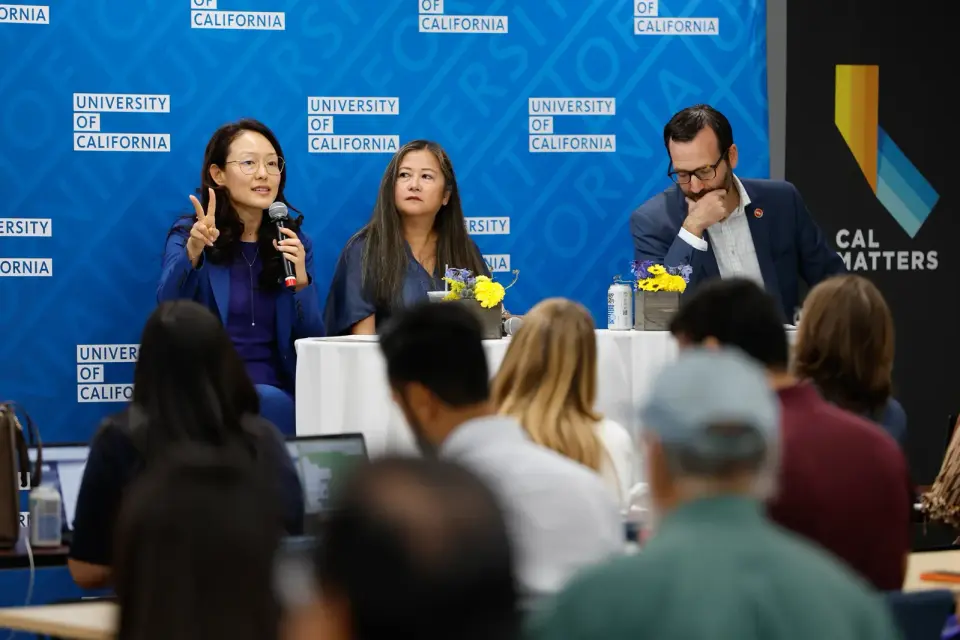
California voters face a pivotal choice for insurance commissioner between Jane Kim and Ben Allen, two Democrats with divergent strategies for addressing the state's insurance crisis. Kim, backed by Bernie Sanders, proposes a public disaster insurance model to replace private coverage for fire and flood, arguing current systems are failing. Allen, endorsed by Jane Fonda and the California Democratic Party, advocates for strengthening existing regulations and compelling insurers to mitigate wildfire risks. The race highlights a split within the Democratic party, with Kim supported by labor groups and Allen by mainstream party leaders. Both candidates promise to tackle rising premiums and insurer accountability, but their methods differ significantly, from systemic overhaul to regulatory enforcement.
Key points
- Jane Kim proposes a public disaster insurance program funded by existing premiums, separating fire and flood coverage from private insurers to ensure state control and investment in mitigation.
- Ben Allen supports a regulatory approach, emphasizing his recent legislation (SB 1209) that empowers the commissioner to compel insurers to fix issues, and advocating for broader wildfire risk mitigation across all stakeholders.
- The race reflects a Democratic split: Kim is endorsed by the California Labor Federation and Ro Khanna, while Allen has support from the California Democratic Party, U.S. Senators Schiff and Padilla, and Jane Fonda's PAC.
- Current insurance rates in California have risen 5% in the first half of 2026, with homeowners facing higher costs and some insurers exiting high-risk areas, pushing residents into the less comprehensive FAIR Plan.
- Both candidates agree on the need for insurer transparency and public report cards, but disagree on the fundamental structure of the insurance market, with Kim calling Allen's approach 'tinkering' and Allen labeling Kim's plan 'unmoored'.
Background
The insurance commissioner role has gained prominence due to a decade of destructive wildfires in California, which have disrupted one of the world's largest insurance markets. Previous commissioner Ricardo Lara implemented regulations in 2025 to speed up rate reviews and allow insurers to factor in catastrophe models, but these have led to higher prices. The position affects not just homeowners but also renters, drivers, and business owners, making the election critical for broad consumer protection.
Why it matters
The outcome of this election will determine the direction of California's insurance market, affecting affordability and availability for millions of residents. Kim's public model could shift the burden from private insurers to the state, potentially offering more stable coverage but raising concerns about fiscal responsibility. Allen's approach aims to fix the current system through stronger enforcement and mitigation, which may preserve private market involvement but could be seen as insufficient by progressives. The choice reflects broader national debates on public vs. private solutions to climate-related risks.
What to watch
Voters will decide in the November 2026 general election. If Kim wins, the state may begin developing a public disaster insurance framework, potentially facing legal and financial challenges from the insurance industry. If Allen wins, the focus will shift to enforcing new regulations, expanding mitigation programs, and holding insurers accountable for claim handling. Both candidates plan to continue advocating for their positions in the lead-up to the election, with Kim emphasizing the need for systemic change and Allen highlighting the effectiveness of recent legislative reforms.
Want the full story? Read the original reporting
Read on CalMatters