
Trump’s Russian Diesel Deal Sparks Transatlantic Rift and Bipartisan US Backlash
President Donald Trump announced a deal with Vladimir Putin to import millions of tons of Russian diesel, aiming to lower fuel prices ahead of US midterms. The move, announced via Truth Social, contradicts 2022 US sanctions and has drawn sharp criticism from European allies and bipartisan US lawmakers. While Europe reaffirms its support for Ukraine and maintains sanctions, the US administration faces legal challenges and internal political division over the decision.
Key points
- Trump announced a deal with Putin to import 300,000 tons of diesel immediately, followed by 500,000 tons in November and 1,000,000 tons thereafter, with 3,000,000 tons to follow later.
- The US Treasury issued a general license allowing Russian diesel imports through April 2027, bypassing the 2022 congressional ban on Russian energy imports.
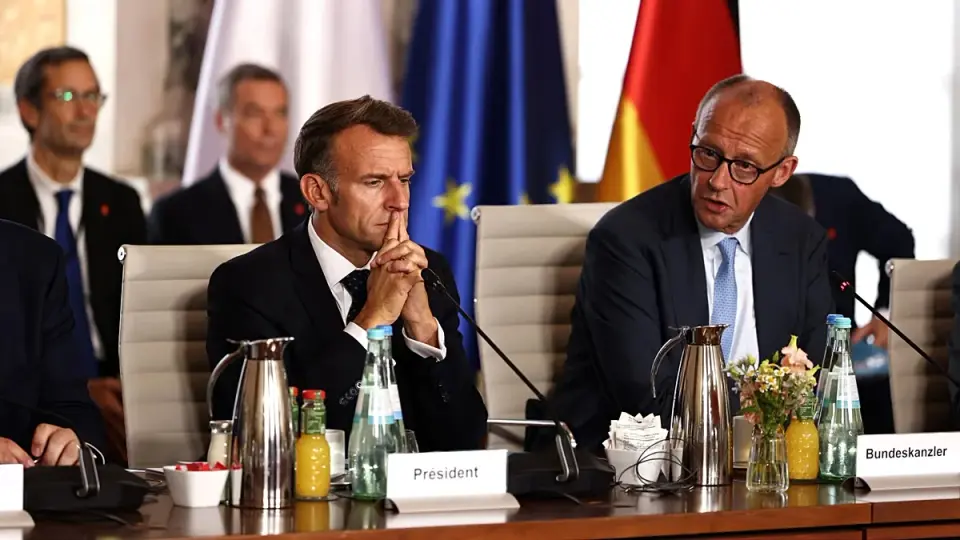
- European leaders, including Macron and Merz, rejected the deal, stating Europe will maintain sanctions against Russia to keep pressure on Moscow.
- A bipartisan group of US senators, including Republicans Collins, Murkowski, Tillis, and Curtis, demanded the administration reverse the decision, citing violations of federal law.
- Brent crude prices jumped 2% to $106.78 per barrel despite the deal, as analysts questioned whether the agreement would significantly lower prices or merely rearrange existing supply.
Background
This development follows a series of erratic diplomatic moves by the Trump administration, including a 2025 Alaska summit with Putin and a leaked 28-point peace plan. Europe has struggled to secure a seat at the negotiating table for Ukraine’s future, often being sidelined by direct US-Russia communications. Recent tensions have been exacerbated by the US-Iran war, which has diverted White House attention from Ukraine.
How outlets are covering it
Euronews highlights Europe’s unified stance against the deal, emphasizing that sanctions remain the only effective lever against Russia. Fox News and Politico focus on the internal US political backlash, noting that Republicans like Don Bacon and Brian Fitzpatrick are opposing the deal, with Fitzpatrick introducing legislation to block Russian oil purchases. WRAL reports on the market impact, noting that oil prices rose despite the deal, and former Energy Secretary Dan Brouillette expressed skepticism that the agreement would lower prices significantly, suggesting it merely shifts barrels between customers.
Why it matters
The diesel deal undermines the US-led sanctions regime against Russia, potentially providing Moscow with financial resources to fund its war against Ukraine. It also raises questions about the reliability of US security guarantees for Europe and the post-war order. For the US, the deal risks inflaming domestic politics and legal challenges, while for Europe, it tests the limits of transatlantic cooperation and the effectiveness of sanctions in curbing Russian aggression.
What to watch
Congress may move to block the deal through legislation, as proposed by Rep. Brian Fitzpatrick. The administration faces potential legal scrutiny for bypassing congressional authority. Europe is expected to continue its sanctions campaign, while the US may face further internal division over energy policy and foreign relations. Market volatility in oil prices is likely to persist as the deal’s actual impact on supply and demand remains uncertain.
- Blindsided again by Trump, Europe scrambles to rally behind Ukraine Euronews.com
- Trump Gives Putin a Hand in Russia’s Economic War With Ukraine The New York Times
- Republican lawmakers break with Trump on diesel deal with Russia Fox News
- US stocks hover near their latest record in mixed trading on Wall Street WRAL
- Bipartisan group of senators demands Trump kill Russian diesel deal Politico
Want the full story? Read the original reporting
Read on Euronews.com