
California Supreme Court orders sheriff to return 650,000 ballots, ruling seizure unlawful
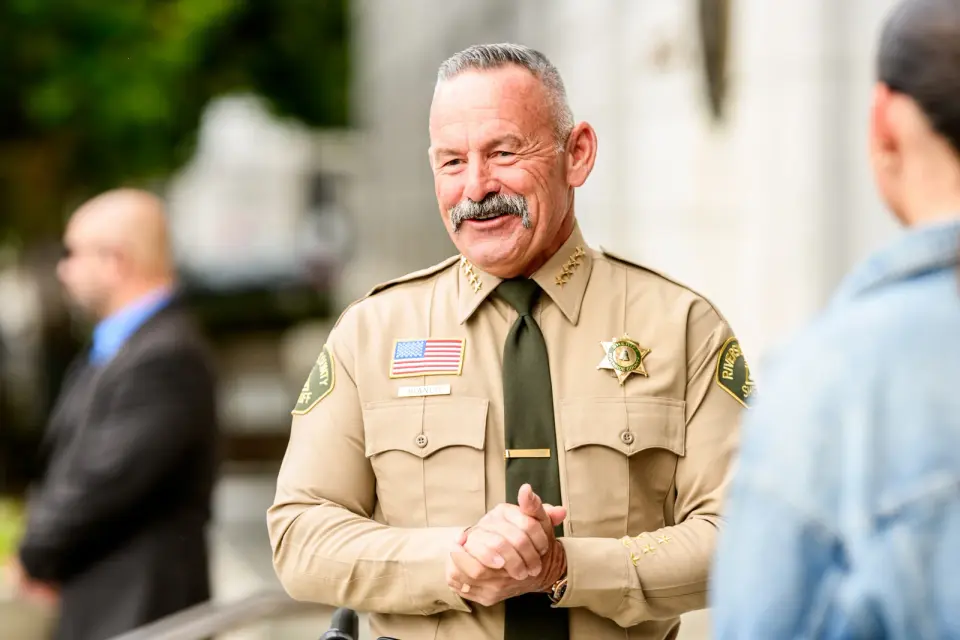
The California Supreme Court unanimously ruled that Riverside County Sheriff Chad Bianco violated state law by seizing approximately 650,000 ballots from the November 2025 redistricting election. The court ordered the immediate return of the ballots and affirmed the attorney general’s authority to direct local sheriffs. Governor Gavin Newsom signed new legislation imposing criminal penalties for future ballot seizures.
Key points
- The California Supreme Court ruled unanimously that Sheriff Chad Bianco’s seizure of roughly 650,000 ballots from the November 2025 Proposition 50 special election violated state election laws.
- Chief Justice Patricia Guerrero stated that allowing law enforcement to handle ballots in secret creates a substantial risk to election integrity, as the Elections Code already provides comprehensive procedures for recounts.
- The court affirmed that Attorney General Rob Bonta has constitutional authority to issue binding directives to county sheriffs, rejecting Bianco’s argument that the AG’s role is merely advisory.
- Governor Gavin Newsom signed new legislation last week making it a felony to seize ballots or election records before results are certified, a move spurred by Bianco’s actions.
- Bonta’s office plans to direct Bianco to return non-ballot election materials as well, while Bianco has indicated he may appeal the decision to federal courts.
Background
This ruling follows months of legal battles and Supreme Court hearings in August 2026, where justices questioned the legality of the seizure. Earlier coverage highlighted tensions between election oversight and local law enforcement, with the UCLA Voting Rights Project joining the challenge. The case emerged after a local activist group alleged discrepancies in the 2025 redistricting vote, which election officials dismissed as unfounded.
How outlets are covering it
Democracy Docket and The New York Times emphasize the legal consequences for Bianco and the broader implications for election integrity, noting that the seizure was prompted by misinformation from anti-voting groups. The Guardian highlights the national context, linking Bianco’s actions to President Trump’s previous efforts to seize election records in Georgia and Arizona. CalMatters focuses on the constitutional question of whether sheriffs answer to the attorney general, noting that the court firmly rejected Bianco’s claim that the AG’s supervision is advisory. All sources agree on the court’s unanimous ruling but differ in emphasis: Democrats and voting rights advocates frame it as a victory for democracy, while Bianco’s supporters view it as an obstruction of a lawful fraud investigation.
Why it matters
The decision sets a precedent for limiting local law enforcement’s access to election materials, reinforcing that ballots must remain in the custody of election officials. It also clarifies the authority of state attorneys general over sheriffs, potentially preventing similar attempts to interfere with vote counting in future elections, including the upcoming 2026 midterms.
What to watch
Biano is expected to comply with the court’s order to return the ballots and may pursue appeals in federal court. Bonta’s office will direct the return of additional non-ballot materials. The new legislation signed by Newsom will impose criminal penalties for any future attempts to seize election materials, aiming to prevent similar incidents in the November 2026 elections.
- California Attorney General vows ‘legal consequences’ for GOP sheriff who seized ballots Democracy Docket
- Republican Sheriff Illegally Seized California Ballots, Court Rules The New York Times
- Ballot seizure by Riverside County sheriff was 'unlawful,' California Supreme Court rules Yahoo
- California sheriff ordered to return ballots he confiscated in voter ‘fraud’ inquiry The Guardian
- California sheriff broke election law by seizing ballots, state Supreme Court rules CalMatters
Want the full story? Read the original reporting
Read on Democracy Docket