
California Supreme Court Weighs Sheriff's Seizure of 650,000 Ballots
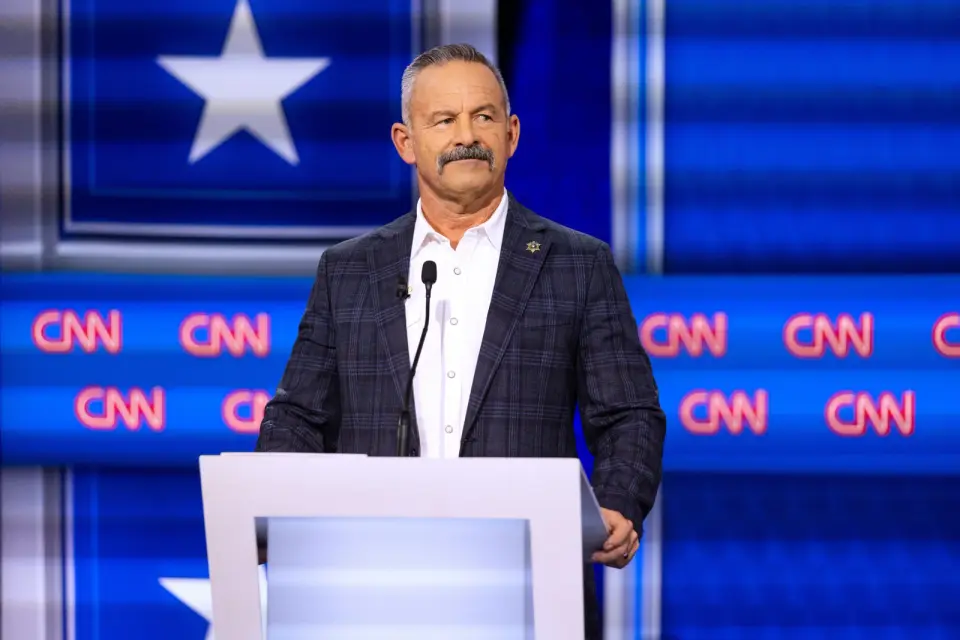
The California Supreme Court heard oral arguments on Monday regarding two cases involving Riverside County Sheriff Chad Bianco’s seizure of approximately 650,000 ballots from the November 2025 redistricting election. The court must decide if a sheriff can lawfully take counted ballots from election officials for a private investigation and whether the state attorney general has the power to halt such actions. Bianco seized the materials after a right-wing group claimed a discrepancy in vote counts, a claim the registrar of voters dismissed as a misunderstanding. The cases do not affect the approved congressional maps but test the limits of law enforcement power over election materials. A decision is expected in several weeks, with potential appeals to the U.S. Supreme Court.
Key points
- Riverside County Sheriff Chad Bianco seized roughly 650,000 ballots from the 2025 redistricting election, claiming a criminal investigation into alleged discrepancies.
- California Attorney General Rob Bonta ordered Bianco to pause the investigation, but the sheriff refused, citing a court-issued search warrant.
- Four voters sued Bianco, arguing that state law requires ballots to remain in the custody of election officials at all times.
- The California Supreme Court previously ordered Bianco to stop the investigation and preserve seized materials in April 2026.
- The cases do not challenge the outcome of Proposition 50, which voters approved to redraw congressional districts.
Background
This dispute follows a broader national trend of election conspiracy theories influencing official government actions. In California, the 2025 redistricting election saw voters approve Proposition 50, a measure designed to counter gerrymandering in other states. The seizure occurred during a period of heightened political tension, with Bianco running for governor at the time. The state legislature subsequently passed a law making it a felony to take ballots from a county registrar of voters, signed by Governor Gavin Newsom. This case tests the balance between election security laws and criminal investigation powers, a tension that has emerged in other states regarding ballot integrity and redistricting disputes.
How outlets are covering it
Democracy Docket emphasizes the legal question of whether a sheriff can seize counted ballots outside the normal election process, highlighting Bianco's refusal to follow the attorney general's order. The Sacramento Bee frames the seizure as a 'political stunt' by Bianco, who was running for governor, and notes that the registrar of voters explained the alleged discrepancies were based on a misunderstanding. KTVU highlights the broader implications for voting rights and the 2026 midterms, quoting a professor who described the seizure as a move for political coverage. Bianco's lawyers argue that the investigation was a legitimate criminal inquiry backed by a judge's warrant, and that the attorney general's power to 'supervise' does not allow him to shut down a lawful investigation. The UCLA Voting Rights Project, supporting the voters' lawsuit, argues that handling ballots outside public view harms democracy. The sources generally agree on the facts of the seizure and the legal challenges but differ in their characterization of Bianco's motives, with Democrats and voting rights advocates viewing it as an overreach and Bianco's supporters viewing it as a necessary investigation into potential fraud.
Why it matters
The outcome of these cases will determine the legal boundaries between election officials and law enforcement regarding ballot custody. If the court rules against Bianco, it will reinforce the principle that ballots must remain under the control of election officials, even during criminal investigations. This could have significant implications for future elections and the ability of state attorneys general to intervene in local law enforcement actions related to elections. The case also highlights the growing influence of election conspiracy theories on official government actions, a trend that has been observed in other states and could impact the integrity of upcoming elections, including the 2026 midterms and the 2028 presidential election.
What to watch
The California Supreme Court is expected to issue a decision in several weeks. If the court rules against Bianco, the case could be appealed to the U.S. Supreme Court. The outcome will likely influence how state and local officials handle future disputes over election integrity and the role of law enforcement in election-related matters. The cases will also shape the legal landscape for the 2026 midterms and beyond, as states continue to grapple with issues of redistricting and ballot security.
- California Supreme Court confronts GOP sheriff who seized 650,000 ballots in election conspiracy Democracy Docket
- California Supreme Court takes up sheriff's ballot seizure case KTVU
- Was sheriff’s seizure of 650,000 ballots legal? California Supreme Court weighs case Sacramento Bee
- California Supreme Court hears arguments over sheriff’s seizure of ballots AP News
- Riverside County Sheriff Bianco's ballot seizure case goes through California Supreme Court oral arguments CBS News
Want the full story? Read the original reporting
Read on Democracy Docket