
California Victim Families and Prosecutors Challenge Newsom’s Mass Death Row Commutation
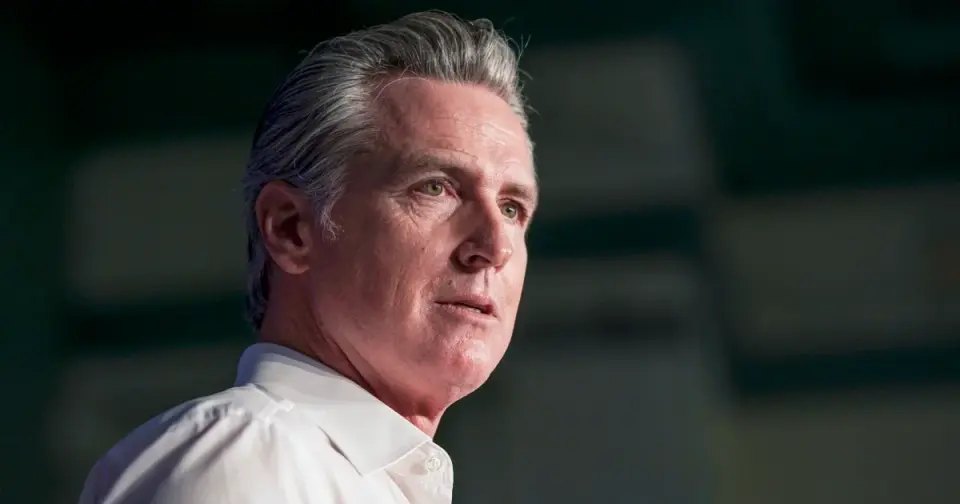
California Governor Gavin Newsom’s decision to commute the death sentences of 548 inmates to life without parole has triggered intense backlash from victim families and prosecutors. While the move ends state executions, critics argue it overrides judicial outcomes and voter mandates. Legal experts note that 382 cases require California Supreme Court review, and some prosecutors warn that life sentences could eventually allow parole, though others dispute this likelihood.
Key points
- Newsom commuted 548 death sentences to life without parole, described as the largest mass clemency in U.S. history.
- 382 inmates with multiple felony convictions require California Supreme Court approval for the commutation to take effect.
- Victim families, including those of Polly Klaas and Michelle Curran, expressed deep anger, calling the decision a betrayal of justice.
- Prosecutors, including Orange County DA Todd Spitzer, argue life without parole is not absolute and could lead to future releases.
- Some victim relatives, such as Jess Nichol, supported the move, citing the death penalty as a 'false promise' that delays closure.
Background
Newsom announced the commutation on November 5, 2026, two months before leaving office. The decision follows a 2016 voter rejection of a death penalty abolition measure. Previous archive coverage noted the move was framed as a moral imperative against state-sanctioned killing, while critics viewed it as an overreach of executive power.
How outlets are covering it
NBC News and CNN highlighted the emotional distress of victim families, such as Faye Jenkins and Marc Klaas, who felt their grief was invalidated. FOX40 and KSNV emphasized the legal and procedural challenges, noting that some prosecutors, like Calaveras County DA Barbara Yook, are actively fighting to uphold death sentences. Conversely, CNN and FOX40 noted that some victim relatives, like Jess Nichol, supported the commutation, arguing it provides finality. Law professor Stan Goldman, cited by NBC, disputed prosecutors' claims that life without parole could lead to release, calling it 'not a real problem.'
Why it matters
The commutation tests the limits of executive power in criminal justice and raises questions about the finality of life sentences. It also highlights deep divisions in California over capital punishment, with voters having recently rejected abolition but facing a governor who bypasses the ballot box. The legal battle over 382 cases could set precedents for future clemency actions.
What to watch
The California Supreme Court must review the 382 cases requiring approval. Prosecutors in Calaveras and Sacramento counties are urging the public to submit concerns to the court. Newsom’s office has not responded to requests for comment, and the final outcome of the commutations remains pending judicial review.
- Victims’ families lash out at Gavin Newsom after mass commutation of ‘monsters’ on death row in California NBC News
- These are some of the most notorious California death row inmates whose sentences could be commuted CNN
- Las Vegas woman speaks out after sister's killer spared from execution KSNV
- The end of the death penalty in California is a fresh start for justice The Hill
- Calaveras County DA pushes to uphold a serial killer’s death sentence after Newsom’s commutation FOX40
Want the full story? Read the original reporting
Read on NBC News