
Canada Tariffs Threaten GOP Senate Control in Key Border States
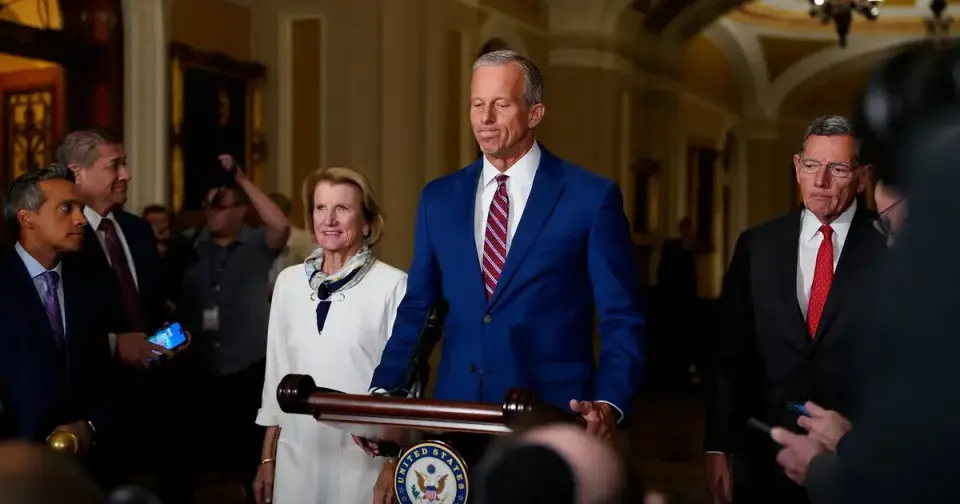
President Trump’s escalation of tariffs against Canada has created a significant political liability for Republicans seeking to retain Senate control in 2026. The 50% tariffs on Canadian goods, effective August 19, 2026, threaten to raise costs for consumers and businesses in pivotal swing states like Maine, Michigan, and New Hampshire. While the White House argues the measures protect American workers, several Republican senators and candidates have publicly criticized the strategy, warning it will harm their reelection bids and domestic industries. The conflict has intensified after trade talks collapsed, leading to retaliatory Canadian tariffs and further US threats on auto and steel imports.
Key points
- Trump imposed 50% tariffs on approximately $20 billion in Canadian imports, with further increases planned for auto and steel sectors starting January 1, 2027.
- Republican Senator Susan Collins of Maine, a key swing-state incumbent, opposed the tariffs, noting they would raise prices for lumber, food, and building materials processed in Canada.
- Former Senator Scott Brown, a Republican candidate in New Hampshire, criticized the approach, citing strong US-Canada intelligence and economic ties.
- Democratic Senatorial Campaign Committee spokesperson Tommy Garcia argued that GOP candidates acted as 'rubber stamps' for the tariffs, increasing costs for voters.
- The tariffs are expected to impact consumer prices for alcohol, clothing, and housing materials, with analysts noting potential price hikes for new home construction.
Background
This trade dispute follows a period of intense political maneuvering within the Republican party regarding budget priorities and trade policy. Earlier in 2026, Senate Republicans expressed skepticism about narrow budget reconciliation bills focused on defense and farm aid, reflecting internal divisions over economic strategy. The current tariff escalation marks a sharp departure from previous bipartisan trade discussions, as Canadian Prime Minister Mark Carney previously rallied support to resist US brinkmanship, framing the conflict as a test of national sovereignty. The timing of these tariffs, less than three months before the midterm elections, exacerbates existing tensions over cost-of-living concerns among voters.
How outlets are covering it
Semafor emphasizes the direct political risk to Republican Senate candidates in Maine, Michigan, and New Hampshire, highlighting internal party dissent from figures like Senator Thom Tillis and candidate Scott Brown. ABC News broadens the scope to include backlash over Trump’s decision to allow foreign beef imports, with Republican senators from cattle states like Nebraska and Montana criticizing the move as harmful to domestic ranchers. USA Today focuses on the consumer impact, detailing how tariffs on Canadian goods and the 'economic D-Day' strategy against Iran could raise prices for gas, housing, and groceries. While the White House maintains that these measures protect American workers and address lopsided trade relations, multiple Republican lawmakers and Democratic challengers argue the policies will backfire by increasing costs for voters in critical electoral districts.
Why it matters
The outcome of the 2026 midterm elections will determine whether Republicans retain control of the Senate, a body essential for passing major legislation and confirming judicial appointments. The Canada tariffs represent a high-stakes gamble by the administration, risking economic pain in swing states to achieve trade leverage. If the tariffs lead to significant price increases for consumers, it could shift voter sentiment away from the Republican party, potentially resulting in a loss of Senate control and a shift in legislative power for the next two years.
What to watch
Canadian Prime Minister Mark Carney has scheduled retaliatory counter-tariffs to take effect on September 8, 2026. The US has indicated it will respond to these measures, with Trade Representative Jamieson Greer stating that no new talks are planned. In the short term, the White House is expected to formalize the beef import deal via executive order, while Republican candidates in swing states will likely intensify their criticism of the administration’s trade policies as the November elections approach. The situation may also see further escalation if Canada follows through on threats to halt energy exports to the US.
- Exclusive / Canada tariffs complicate Republicans’ Senate defense Semafor
- Some Republican lawmakers skewer Trump's beef imports, slam Canada trade war ABC News - Breaking News, Latest News and Videos
- Trump’s Economic Approach Draws Concern From Some Republicans The New York Times
- Kashkari says inflation could be extended "the longer there's back and forth" in Canada tariff fight CBS News
- Expect higher prices after Trump admin's latest moves on Canada, Iran USA Today
Want the full story? Read the original reporting
Read on Semafor