
Cao’s Navy Confirmation Hinges on Iran War Costs and Bipartisan Trust
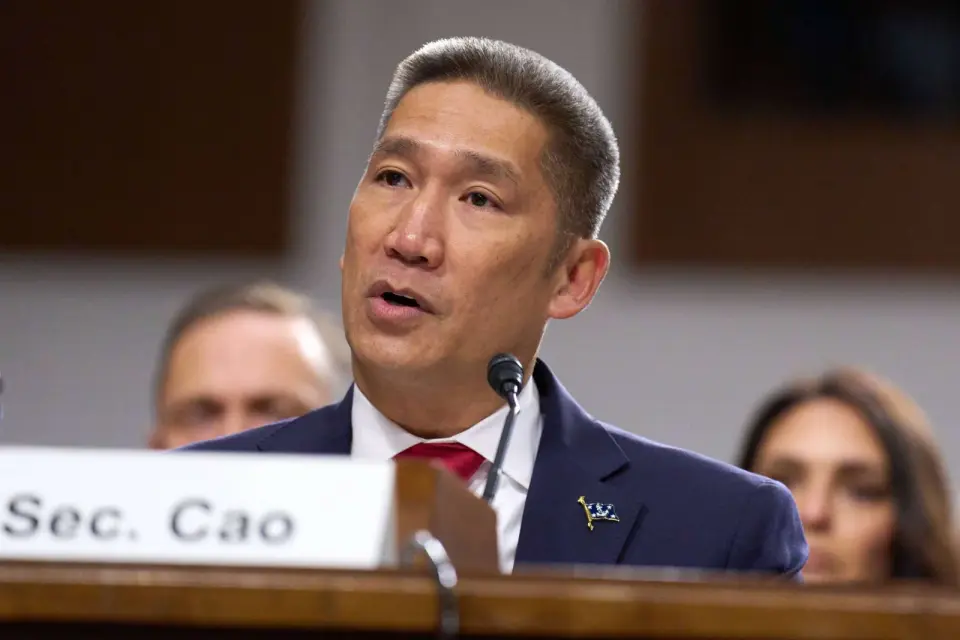
Acting Navy Secretary Hung Cao faced intense bipartisan scrutiny at his Senate confirmation hearing on November 17, 2026, as lawmakers questioned the impact of the Iran war on naval resources, sailor welfare, and classified information sharing. Cao acknowledged that the conflict has strained the fleet, leading to the use of expired munitions and extended deployments that have affected crew health and morale. He pledged to improve communication with Congress and resolve budget shortfalls at Portsmouth Naval Shipyard, but Democrats remain skeptical of his transparency and decision-making. Cao’s confirmation requires a rare waiver due to his recent retirement from active duty, and his path to a permanent appointment is complicated by a shifting political landscape where Democrats now control Congress.
Key points
- Cao admitted the Navy recoded and used expired munitions to support the Iran war, while noting increased production of Tomahawk missiles.
- Lawmakers questioned the financial cost of the naval blockade on Iran, with Cao agreeing to estimates of approximately $32.5 million per day.
- Cao faced criticism over sailor welfare, including reports of weight loss due to food shortages and eight suicide attempts on the USS Abraham Lincoln, which he termed 'mitigations.'
- Sen. Mike Rounds accused the administration of excluding Democrats from classified briefings, hindering bipartisan support for the $1.5 trillion defense budget.
- Cao pledged to resolve a $65 million budget shortfall at Portsmouth Naval Shipyard and improve transparency with Congress within one week.
Background
Cao has served as acting Navy Secretary since April 2026, following the firing of John Phelan. His nomination for the permanent post faces a legal hurdle: he must obtain a waiver from Congress because he retired from active duty less than seven years ago, a requirement designed to ensure civilian control of the military. This confirmation comes amid a volatile political environment, with Republicans losing control of both chambers of Congress in the recent midterm elections. The ongoing Iran war has strained naval resources, with the USS Abraham Lincoln returning from a record-breaking deployment in October 2026. Previous coverage highlighted bipartisan concerns over fleet conditions and the administration’s handling of classified information, setting the stage for the current confirmation hearings.
How outlets are covering it
Federal News Network emphasized the political friction over classified briefings, noting Sen. Mike Rounds’ accusation that Democrats were excluded from high-level discussions, which could stall the defense budget. CNBC focused on the operational strain of the Iran war, highlighting Cao’s admission of using expired munitions and the financial costs of the blockade, while also detailing concerns over sailor welfare and mental health. AP News provided a broader context of the Iran war’s impact on naval resources and China’s strategic position, noting Cao’s claim that the conflict has 'set China back on their heels,' a view disputed by Sen. Mazie Hirono. WMUR highlighted the specific budgetary issues at Portsmouth Naval Shipyard, where Cao acknowledged failing to provide answers on a $65 million shortfall and pledged to work with Sen. Jeanne Shaheen to resolve it. All sources agree that Cao faces a difficult confirmation path due to bipartisan skepticism and the need for a legal waiver, but they differ in emphasis: Federal News Network and WMUR focus on transparency and budgeting, while CNBC and AP News highlight the operational and strategic consequences of the Iran war.
Why it matters
Cao’s confirmation is critical for the stability and leadership of the U.S. Navy during a period of significant resource strain and political transition. The Iran war has exposed vulnerabilities in naval readiness, including munitions stockpiles and sailor welfare, which could affect future operations and strategic deterrence. The bipartisan conflict over classified information sharing and budget approvals may hinder the passage of the $1.5 trillion defense budget, impacting the Pentagon’s ability to fund its operations. Additionally, the need for a legal waiver to appoint Cao raises questions about civilian control of the military, a principle that has been tested only a few times in history. The outcome of this confirmation will influence the Navy’s ability to address current challenges and adapt to future threats, particularly in the Pacific and Middle East regions.
What to watch
Cao must secure a waiver from both the House and Senate to become the permanent Secretary of the Navy, a process that requires bipartisan support. He has pledged to provide answers on the Portsmouth Naval Shipyard budget shortfall within one week and to improve communication with Congress on classified matters. The Senate Armed Services Committee will continue to evaluate his nomination, with Democrats likely to oppose his confirmation due to concerns over transparency and decision-making. The outcome of the confirmation will depend on the political dynamics in the new Congress, where Democrats hold a majority, and the ability of Republicans to secure bipartisan support for the defense budget. Cao’s ability to address the operational and financial challenges of the Iran war will be a key factor in his confirmation and future leadership of the Navy.
- Acting Navy secretary faces scrutiny over communication with Congress Federal News Network
- Senators press acting U.S. Navy Secretary on Iran war costs, sailor health in confirmation hearing CNBC
- Trump’s pick for Navy secretary acknowledges the Iran war is straining military resources AP News
- Sen. Shaheen questions acting Navy secretary on Portsmouth Naval Shipyard $65 million shortfall WMUR
- Cao addresses Navy suicide prevention, extended deployments and USS South Dakota firings during hearing Navy Times
Want the full story? Read the original reporting
Read on Federal News Network