
Chicago Mayor Leverages Unpaid Influencers to Bypass Traditional Media in 2027 Race
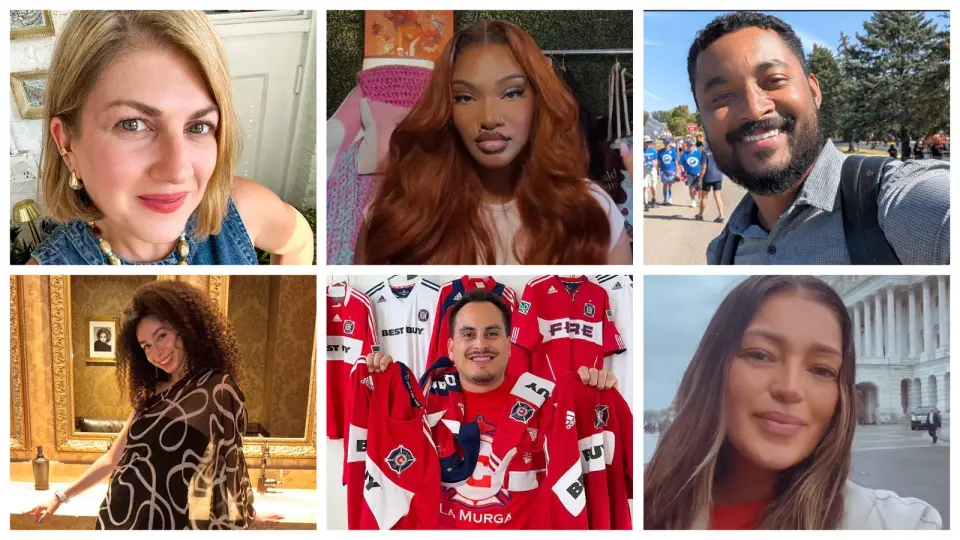
Chicago Mayor Brandon Johnson is utilizing a network of progressive social media creators to amplify his reelection message, bypassing traditional advertising. While some influencers accept paid collaborations, others, like Tatyana Woods and Brendyn Morgan, decline payment to maintain audience trust and political independence. This strategy reflects a broader 2026 trend where candidates leverage digital platforms to reach younger voters directly, though experts warn this reduces accountability and context.
Key points
- Johnson’s campaign launched a viral Instagram reel featuring multiple creators to announce his reelection bid in September 2026.
- Creators such as Tatyana Woods (176k followers) and Brendyn Morgan (20k followers) declined paid stipends to avoid perceptions of bias.
- Rebecca Lehmann accepted a paid two-day event with the campaign, while others like Raven Schwam-Curtis did not respond to inquiries.
- Johnson stated the campaign aims to use social media to reach voters who no longer rely on traditional news sources.
- The Chicago Tribune notes that while influencers can act as surrogates, voters should scrutinize the financial relationships behind political content.
Background
Johnson’s reelection bid follows a September announcement where he highlighted progressive achievements in housing and infrastructure, despite facing low approval ratings and a crowded Democratic field. This digital strategy aligns with a national trend where political communication shifts from traditional media to direct social engagement, as seen in recent U.S. and Canadian elections.
How outlets are covering it
Block Club Chicago emphasizes the grassroots, unpaid nature of many creators supporting Johnson, highlighting their independence. The Chicago Tribune frames this as a broader shift where candidates become influencers, warning that direct-to-veter communication lacks journalistic scrutiny. The Baylor Lariat notes that while social media reaches younger voters effectively, it risks spreading misinformation and reduces the role of neutral intermediaries. Canadian media observes similar trends in Quebec, where parties use digital platforms but maintain message consistency across channels.
Why it matters
This shift alters how political messages reach voters, potentially bypassing fact-checking and traditional editorial standards. It highlights the growing influence of digital platforms in local elections and the strategic use of influencer networks to shape public perception without traditional advertising costs.
What to watch
The Chicago municipal election is scheduled for February 2027. Johnson will likely continue integrating digital creators into his campaign strategy, while opponents may adopt similar tactics or emphasize traditional media to counter the digital narrative.
- Meet The Social Media Influencers Spreading Mayor Brandon Johnson’s Message Block Club Chicago
- Mayors Are Filming Videos, Mamdani-Style, With Varying Degrees of Cringe The New York Times
- How are political parties getting their messages out in 2026? Canada's National Observer
- Liam Stanton: Political messaging has changed. Here are 5 things voters should know. Chicago Tribune
- Your feed is political: Social media changes how candidates reach young voters The Baylor Lariat
Want the full story? Read the original reporting
Read on Block Club Chicago