
Chicago Mayor Proposes Vacant Land Tax to Offset $75M Budget Gap Amid Council Opposition
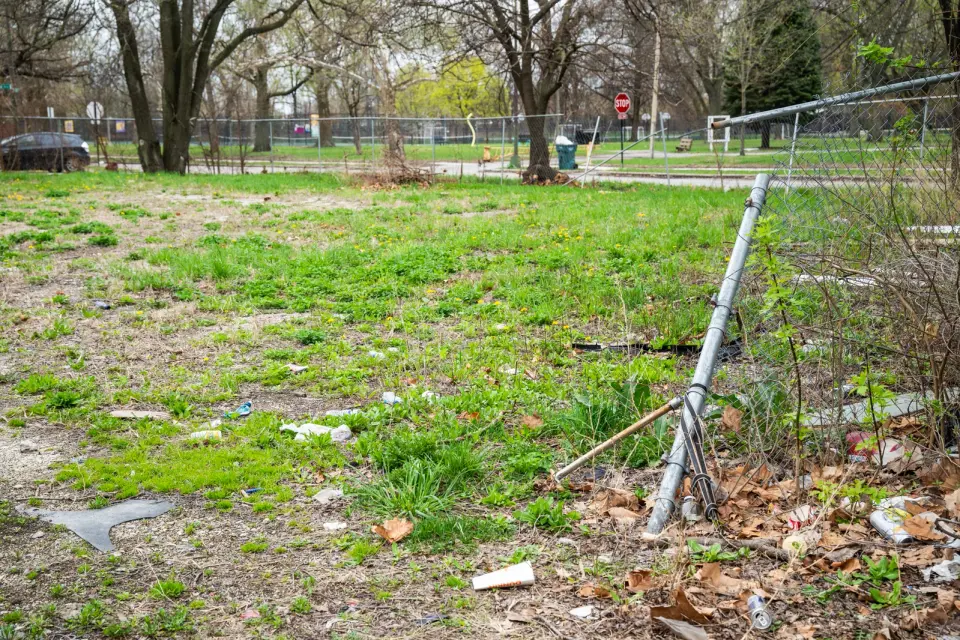
Mayor Brandon Johnson proposed a $1,000 annual tax on vacant land and other revenue measures to close a $75 million gap in Chicago’s 2027 budget, but City Council opponents remain opposed to his broader plan, including a corporate head tax. The proposal, shared on Nov 24, 2026, includes increased debt collection and procurement savings, yet critics argue it does not address the city’s larger structural deficit. S&P Global warned that the ongoing stalemate could lead to a credit downgrade within 90 days.
Key points
- Mayor Johnson proposed a $1,000 annual tax on privately owned vacant land, starting in July 2027, to generate $12 million in revenue.
- The proposal includes $11.5 million from the Catalyst Fund, $13.3 million from procurement modernization, and $12 million from enhanced debt collection.
- Johnson retained his proposal for a $25 monthly per-employee corporate head tax on firms with 125+ employees, which the City Council majority has repeatedly rejected.
- The $75 million gap arose after the City Council voted 44-6 to allocate parking meter transfer revenue to a separate pension payment rather than the general budget.
- S&P Global warned that the budget stalemate could result in a negative credit rating action within 90 days.
Background
Chicago’s 2027 budget negotiations have been contentious since October 2026, when Mayor Johnson unveiled a $17.6 billion plan to address an $882 million deficit. The plan included a revived corporate head tax and a package tax, which faced immediate opposition from the City Council. In November 2026, City Chief Financial Officer Ashlee Gabrysch resigned, citing disagreements over the mayor’s financial characterizations, leading to a council-authorized review of the city’s finances. The current $75 million gap emerged after the council redirected parking meter transfer revenue to a pension payment, forcing the mayor to seek alternative revenue sources.
How outlets are covering it
Block Club Chicago and The Daily Line emphasize Johnson’s new revenue measures as an attempt to find common ground, while the Chicago Tribune and ABC7 Chicago highlight the council’s rejection of the corporate head tax as a barrier to resolution. The Chicago Tribune notes that Johnson’s plan relies on 'phantom revenue' and one-time measures, whereas ABC7 Chicago cites a University of Chicago study suggesting the head tax would disproportionately affect medium-sized businesses. The Civic Federation’s Joe Ferguson called the proposal a 'reasonable approach' but urged faster negotiations, while council opponents accused Johnson of 'tinkering at the margins' of the budget problem.
Why it matters
The budget stalemate threatens Chicago’s credit rating and could lead to a fiscal crisis if not resolved by Dec 31, 2026. The dispute over the corporate head tax and vacant land tax reflects broader tensions between the mayor and City Council over revenue generation and spending priorities, with potential implications for city services and the upcoming February 2027 election.
What to watch
Johnson plans to continue negotiations with the City Council to pass a balanced 2027 budget by Dec 31, 2026. The council has demanded that Johnson present a budget that can pass without the corporate head tax or property tax increases. S&P Global will monitor the situation for potential credit rating actions within 90 days.
- Mayor Proposing A New Tax On Vacant Land As Part Of $75 Million Budget Stopgap Block Club Chicago
- Mayor Brandon Johnson proposing vacant lot tax to help fill $75M budget gap, but sticking with head tax Chicago Tribune
- Johnson offers $75M in budget fixes but won’t budge on head tax, lease tax hike Crain's Chicago Business
- Chicago corporate head tax: Questions grow over Mayor Johnson's budget as study suggests impact on medium-sized businesses ABC7 Chicago
- Mayor unveils plan to close $75M gap created when Council shifted parking meter lease transfer payment The Daily Line
Want the full story? Read the original reporting
Read on Block Club Chicago