
Chicago Mayoral Race Pivots to Influencer Strategy as Disclosure Rules Lag
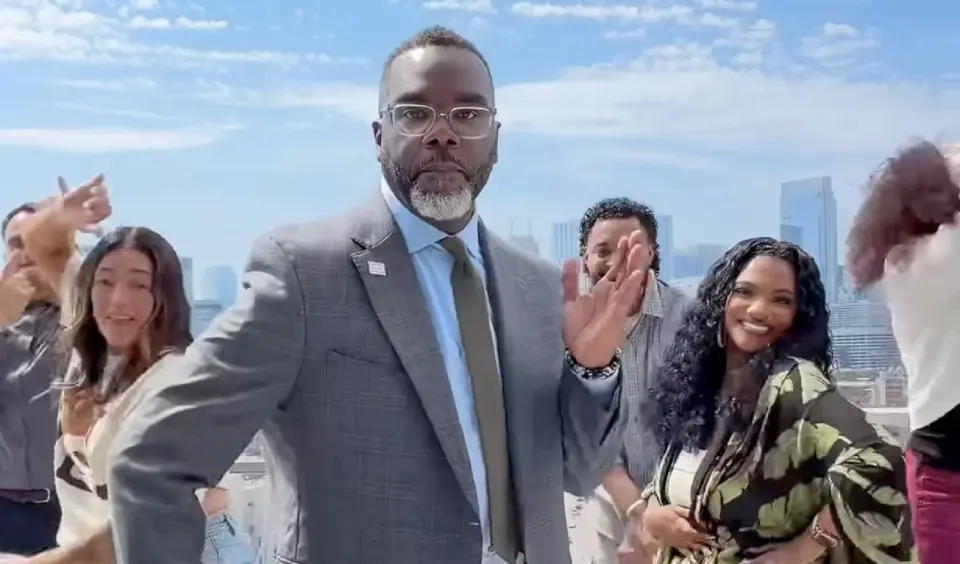
Chicago’s 2026 mayoral race is defined by a shift toward social media influencers, with incumbent Brandon Johnson leading the trend. While Johnson’s campaign has paid some creators, many participate voluntarily to maintain authenticity. Challengers are adopting similar tactics, though experts warn that direct-to-voter messaging lacks the scrutiny of traditional journalism, and current Illinois disclosure laws remain unclear.
Key points
- Incumbent Mayor Brandon Johnson has partnered with approximately 400,000 combined Instagram followers through various creators, including Tatyana Woods and Raven Schwam-Curtis, to bypass traditional media.
- Johnson’s campaign has paid four creators, requiring the use of the hashtag #Brandon4Chicagopartner, while others like Tatyana Woods and Brendyn Morgan declined payment to preserve their perceived authenticity.
- Challengers Susana Mendoza and Alexi Giannoulias are also courting creators; Mendoza’s campaign hired a chief of content from the influencer collective Renowned, while Giannoulias is hiring a new media manager to manage creator partnerships.
- Illinois election code lacks specific language for influencer disclosure, though Ald. Matt Martin is pushing for a city ordinance requiring 'paid for by' labels on sponsored political posts.
- Experts note that while influencer content bypasses traditional media filters, it does not replace the need for policy scrutiny, and voters should verify the relationship between creators and candidates.
Background
This development follows Johnson’s viral rooftop dance launch in September 2026, which drew criticism from conservatives regarding crime but demonstrated the campaign’s digital reach. It aligns with a broader 2026 trend where candidates, from New York to Quebec, are leveraging direct-to-voter digital channels to bypass traditional news intermediaries.
How outlets are covering it
Block Club Chicago emphasizes the strategic depth of Johnson’s influencer network and the murky legal landscape regarding disclosure. The Chicago Tribune frames this as a shift where candidates become influencers themselves, warning that direct messaging lacks journalistic scrutiny. The Baylor Lariat highlights how this direct access benefits younger voters but risks misinformation, while Canada’s National Observer notes that while digital formats are proliferating, parties still maintain consistent messaging across platforms. All sources agree that influencer content is a major new vector for political communication, but they differ on whether it enhances or hinders democratic accountability.
Why it matters
The heavy reliance on influencers in Chicago’s mayoral race sets a precedent for local elections, potentially shifting power from traditional media to unregulated digital creators. The lack of clear disclosure laws creates a risk of voters being unable to distinguish between organic support and paid advertising, undermining informed decision-making.
What to watch
Campaign finance reports for mayoral candidates are expected to be released in mid-October, which may reveal the extent of paid influencer partnerships. Ald. Matt Martin’s ordinance for disclosure requirements is expected to move through the City Council, potentially setting a new standard for political transparency in Chicago.
- In Chicago Mayor’s Race, Candidates Turn To Influencers Hoping To Go Viral With Voters Block Club Chicago
- Mayors Are Filming Videos, Mamdani-Style, With Varying Degrees of Cringe The New York Times
- How are political parties getting their messages out in 2026? Canada's National Observer
- Liam Stanton: Political messaging has changed. Here are 5 things voters should know. Chicago Tribune
- Your feed is political: Social media changes how candidates reach young voters The Baylor Lariat
Want the full story? Read the original reporting
Read on Block Club Chicago