
Critics slam Mamdani's NYC grocery plan as fiscally flawed and operationally incoherent
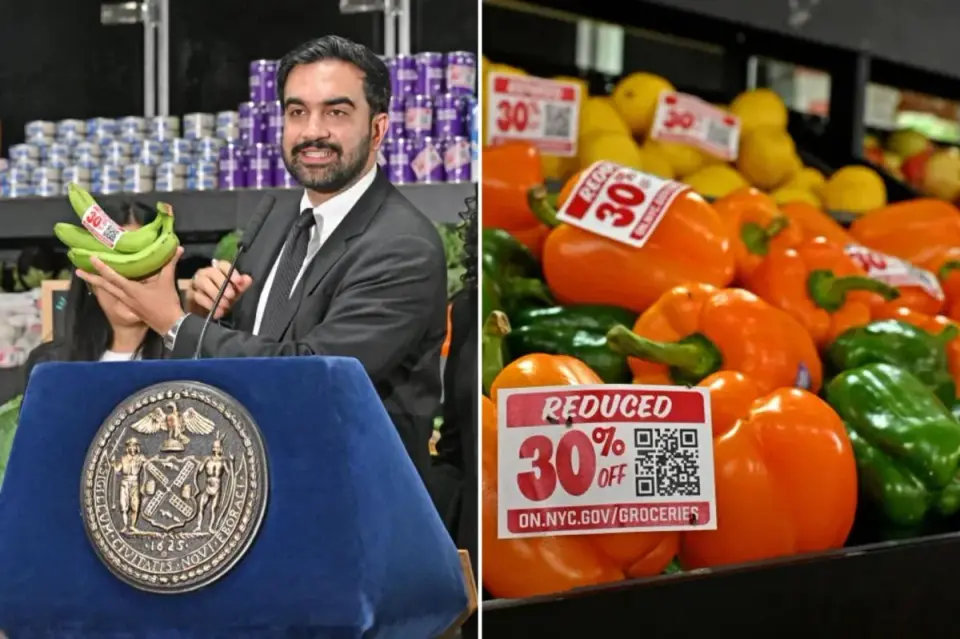
New York City Mayor Zohran Mamdani’s proposal to open five city-owned grocery stores offering 30% discounts on staples faces intense criticism from industry experts and political opponents. A 44-page request for proposals (RFP) released by the Economic Development Corporation (EDC) has drawn scrutiny for its operational contradictions, including a lack of identified locations, inconsistent dietary requirements, and the absence of a means test for subsidized goods. While the plan aims to lower food costs through public funding and private operation, critics argue it is an inefficient use of taxpayer money compared to direct aid or expanded SNAP benefits. The controversy has also sparked a misinformation debate regarding ID requirements, which officials have firmly denied.
Key points
- The EDC released a 44-page RFP seeking bids for five city-owned grocery stores, but only two locations (Manhattan and the Bronx) have been identified, forcing bidders to guess specifications for the others.
- Critics highlight operational contradictions, such as the plan for a 'limited' food variety that simultaneously requires kosher, halal, vegan, and diabetic options, as well as the inclusion of deli-prepared foods in a store with no on-site preparation facilities.
- The program lacks a means test, meaning any resident, regardless of income, can purchase subsidized goods, which critics argue subsidizes affluent shoppers while neglecting those in need.
- Officials clarified that no ID is required to shop; a voluntary 'customer card' is being discussed only to manage bulk buying and reselling, not to verify identity or residency.
- The first store is targeted for opening in late 2027, with an estimated $70 million in capital funding, though critics argue the long-term subsidies will strain the city budget and hurt local businesses.
Background
Mamdani introduced the grocery store initiative during his 2025 mayoral campaign, framing it as a solution to rising food costs. Previous coverage noted that the stores would ban alcohol and tobacco and prioritize nutritious options. The plan has been described as a 'socialist' experiment, with some supporters viewing it as a necessary public good and others as a threat to free-market principles. The controversy over a potential 'customer card' previously sparked debates comparing the policy to voter ID laws, though officials have consistently denied any ID requirement.
How outlets are covering it
The New York Post and USA Today present the plan as a 'ridiculous' and 'costly' failure of business logic, citing industry insiders like Nick Kokonas and Adam Lehodey who argue the RFP is incoherent and that subsidies will ultimately raise taxes. They emphasize the inefficiency of public stores compared to private retailers like Costco. Vox offers a more nuanced economic analysis, arguing that while public stores can help in areas with no private grocers, New York City does not have that problem. Vox suggests the money would be better spent on direct cash assistance or expanding existing programs like Get The Good Stuff. AP News focuses on the misinformation aspect, clarifying that the 'ID card' controversy is false and that the voluntary card is for supply management, not identity verification. USA Today frames the issue ideologically, linking the plan to broader Democratic Socialist agenda and warning of 'socialist' erosion of free markets, while the Post focuses on the specific operational flaws in the RFP.
Why it matters
The debate over Mamdani’s grocery plan serves as a test case for municipal socialism in a major U.S. city. If the stores fail to deliver cost-effective relief, it could influence similar proposals in San Francisco and Boston. Conversely, success could validate public ownership models for essential goods. The controversy also highlights the tension between direct government subsidies and market-based solutions for food affordability, with significant implications for New York City’s budget and the broader political discourse on economic policy.
What to watch
The EDC will review bids for the grocery store operators, with a preference for a single vendor to run all five sites. The first store is expected to open in late 2027. City officials will likely continue to defend the voluntary customer card system against misinformation. The long-term financial impact on the city budget and the effect on local bodegas and grocery stores will be monitored as the stores become operational.
- Mamdani's 'ridiculous' NYC-owned grocery store plan has a shockingly bad business model: critics New York Post
- The hidden cost of Mamdani’s plan for cheap groceries vox.com
- Mamdani’s Office Denies There Will Be ID Requirement For City-Owned Grocery Stores— After MAGA Erupts Forbes
- FACT FOCUS: No, you won't need an ID to shop at city-owned grocery stores in New York City AP News
- Mamdani's city-owned grocery stores are a socialist trap | Opinion USA Today
Want the full story? Read the original reporting
Read on New York Post