
Collins campaign manager cites gas prices and tariffs for Maine Senate loss
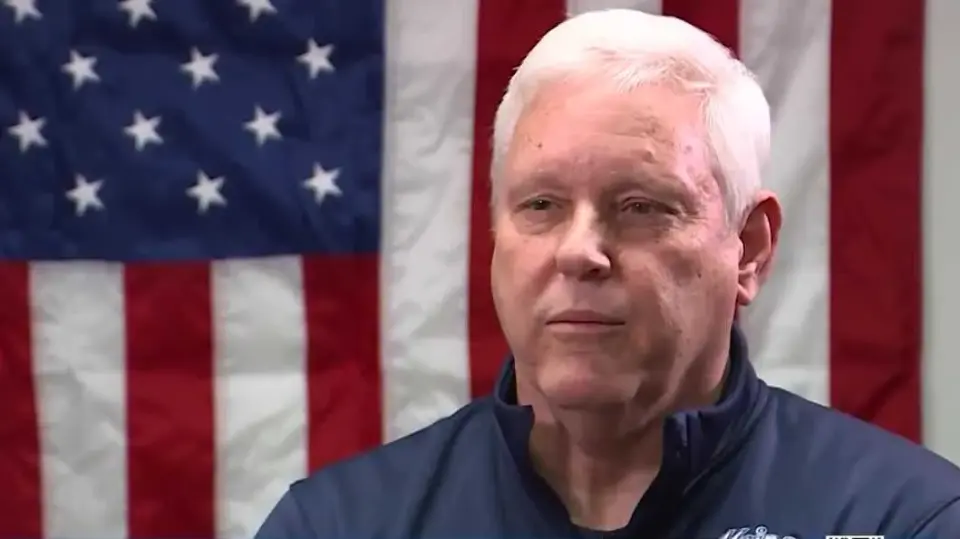
Republican Senator Susan Collins lost her bid for a sixth term to Democrat Troy Jackson in the 2026 midterms. Collins' campaign manager, Steve Abbott, attributed the defeat to rising costs of gas and heating oil, as well as unpopular federal policies like tariffs and ICE operations. While Collins secured significant federal funding during her tenure, experts suggest Maine may receive less under Jackson, though the impact remains uncertain due to shifting Senate leadership.
Key points
- Steve Abbott, Collins' chief of staff and campaign manager, stated that Maine missed a chance to retain a high-power senator, calling the loss 'sad.'
- Collins lost key areas including Bangor, Augusta, Lewiston, and Auburn, which she had won in 2020.
- Abbott cited global forces controlling gas and heating oil prices as a major factor, noting that prices did not bud despite campaign efforts.
- University of Maine political science professor Mark Brewer noted that while Maine is unlikely to retain the Senate Appropriations Committee chair, it is too early to predict the exact impact on federal funding.
- Collins, who served for 30 years, is not expected to run for federal office again, according to Abbott.
Background
Collins had previously won difficult races in 2008 and 2020, often defying polling predictions. In the 2026 cycle, the Trump administration partially lifted tariffs on Canadian goods in October to support her campaign, a move critics viewed as a political concession. Her opponent, Troy Jackson, replaced a previous Democratic nominee who withdrew amid scandal allegations.
How outlets are covering it
WMTW highlights Abbott's view that the loss was due to external economic factors like gas prices and federal policies, rather than campaign failures. The Portland Press Herald offers a personal reflection on the loss, noting the sadness associated with Collins' departure. WGME focuses on the practical implications for Maine's federal funding, with Professor Mark Brewer suggesting that while Jackson may secure less money, the shift in Senate control and the rising seniority of Independent Senator Angus King could alter the landscape. National Review provides a broader analysis of Collins' brand as an independent-minded Republican, noting her ability to navigate polarized politics, though it also details Jackson's criticisms of her handling of tariffs and military aid.
Why it matters
The loss of a 30-year veteran like Collins signals a significant shift in Maine's political landscape and could impact the state's access to federal resources. The outcome also reflects broader national trends in the 2026 midterms, where Republicans faced challenges in holding seats despite efforts to mitigate economic discontent.
What to watch
Troy Jackson will attend orientation in Washington, while Collins resumes work before leaving office in two months. Committee assignments for new senators remain uncertain as the Senate majority leader position is undecided. Jackson has stated he will not support Chuck Schumer for majority leader.
- 'This was a chance to get ahead:' Sen. Collins campaign manager reflects on election loss WMTW
- Susan Collins’ loss carries a particular sadness | Opinion Portland Press Herald - Maine Sunday Telegram
- What Sen. Collins' departure could mean for Maine's federal funding WGME
- Can Susan Collins Part the Blue Wave? National Review
- Troy Jackson defeated incumbent Sen. Susan Collins and six other candidates in the general election for the U.S. Senate in Maine Ballotpedia News
Want the full story? Read the original reporting
Read on WMTW