
DOJ Voter Roll Litigation Hits 20-0 Record After Colorado Dismissal
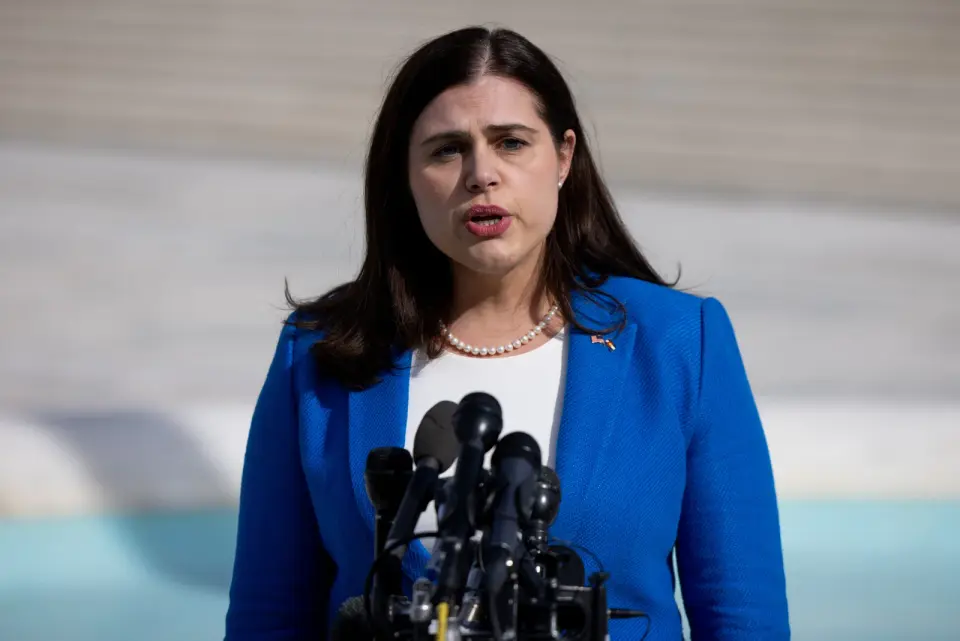
The U.S. Department of Justice is now 0-20 in its nationwide campaign to obtain unredacted state voter rolls, following a federal judge’s dismissal of its lawsuit against Colorado. Judge Philip Brimmer ruled that the DOJ failed to provide a valid legal basis or purpose for demanding sensitive data, including dates of birth and driver’s license numbers, under the Civil Rights Act of 1960. The dismissal with prejudice prevents the DOJ from refiling the case. This outcome mirrors rulings in 19 other jurisdictions, including Illinois and Maryland, where courts found the agency lacks 'general auditing power' over state election records. While the DOJ argues it needs the data to ensure compliance with federal voting laws, judges have consistently rejected this rationale, noting that the Civil Rights Act was designed to combat racial discrimination, not to grant blanket access to voter databases. Colorado Secretary of State Jena Griswold, the defendant, stated that the ruling affirms the state’s right to protect voter privacy from federal interference. The DOJ has filed similar suits in 31 jurisdictions, but has lost every decided case, including the only appellate ruling from the 6th Circuit. Notably, 12 of the 20 losses came from judges appointed by Republican presidents, including eight appointed by Donald Trump.
Key points
- Judge Philip Brimmer dismissed the DOJ’s lawsuit against Colorado with prejudice, ruling the agency lacked statutory authority to demand unredacted voter rolls.
- The DOJ is now 0-20 in voter roll litigation, having lost in 19 other states and one appellate circuit.
- Courts have ruled that the Civil Rights Act of 1960 does not grant the attorney general 'general auditing power' over state election records.
- The DOJ claimed it needed the data to verify compliance with federal laws regarding accurate voter rolls and purging ineligible voters.
- Colorado Secretary of State Jena Griswold stated the ruling protects sensitive voter information from unlawful federal interference.
Background
The DOJ began demanding unredacted voter rolls shortly after President Trump’s second term began in 2025, filing suits in nearly every state. Previous rulings in Maryland and Illinois established that the Civil Rights Act does not authorize such demands, leading to a consistent pattern of defeats for the department. The current Colorado case is part of a broader legal strategy by the DOJ to access sensitive personal data, including partial Social Security numbers, which critics describe as a risk for identity theft.
How outlets are covering it
Democracy Docket and Colorado Politics emphasize the finality of the Colorado ruling, noting it was dismissed 'with prejudice' and that the DOJ has lost 20 consecutive cases. They highlight that many judges ruling against the DOJ were appointed by Republican presidents, including eight by Trump. Capitol News Illinois focuses on the legal reasoning in the Illinois case, where Judge Colleen Lawless rejected the DOJ’s argument that citing the Civil Rights Act was sufficient justification, stating that the agency must show a specific basis and purpose related to racial discrimination. KOMO highlights the Washington state case, where Secretary of State Steve Hobbs noted that the judge indicated the case was similar to 18 other dismissed suits, though no ruling had yet been issued in Washington. All sources agree that the DOJ’s stated purpose of ensuring election security is not accepted by courts as a valid reason to demand unredacted data.
Why it matters
The 20-0 record signals a significant legal barrier for the federal government’s attempt to centralize access to state voter data. It reinforces the principle that state voter rolls are not subject to blanket federal auditing under the Civil Rights Act, protecting sensitive personal information from potential misuse. The consistent rulings across different judicial appointments suggest a broad consensus among judges that the DOJ’s interpretation of the law is flawed, limiting the administration’s ability to challenge state election security measures through litigation.
What to watch
The DOJ may appeal the Colorado ruling, though it has already lost the only appellate case in the 6th Circuit. The department could attempt to modify its legal strategy or seek new statutory authority, but the consistent rulings suggest limited success. States like Washington, where hearings are ongoing, may see similar dismissals. The DOJ’s continued litigation in remaining jurisdictions could lead to further losses, solidifying the legal precedent against its voter roll demands.
- Trump DOJ now 0 for 20 after judge dismisses Colorado voter roll lawsuit ‘with prejudice’ Democracy Docket
- WA lawyers seek to hand Trump admin 21st loss in voter-roll lawsuits The Seattle Times
- Washington secretary of state defends voter privacy after DOJ hearing over voter rolls KOMO
- Judge denies Trump administration access to Illinois voter data Capitol News Illinois
- Federal judge rejects DOJ bid to force Colorado to hand over voter information Colorado Politics
Want the full story? Read the original reporting
Read on Democracy Docket