
Trump’s AI 'Hoax' Rhetoric Sparks Media Criticism and Industry Backlash
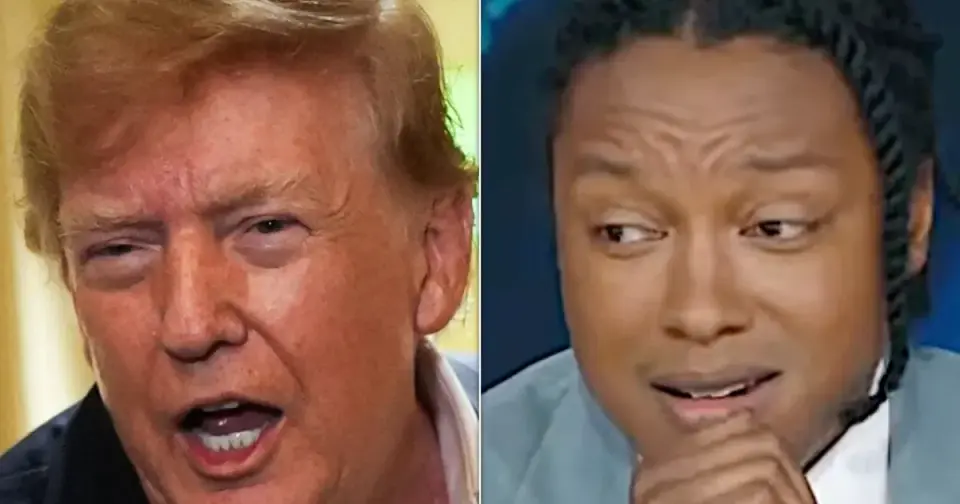
President Donald Trump is aggressively rejecting calls for artificial intelligence regulation, labeling industry warnings as a 'hoax' and asserting that the U.S. needs no guardrails due to his own 'high IQ.' This stance has drawn sharp criticism from media outlets and comedians, while simultaneously strengthening his alliance with tech executives like Nvidia’s Jensen Huang.
Key points
- Trump dismissed AI safety concerns as a 'hoax' and 'scam' on Truth Social, arguing that the U.S. leads in data center construction and should not slow down development.
- He claimed that a 'high IQ president' is sufficient to manage AI risks, rejecting the need for external regulatory frameworks.
- Trump called Nvidia CEO Jensen Huang during the All-In Summit in Los Angeles, praising data centers as the 'oil of the next 20, 25 years' and dismissing opposition as foreign interference.
- AI leaders Sam Altman, Dario Amodei, and Elon Musk have publicly called for slowing AI development, a stance Trump has directly contradicted.
- The Daily Show’s Josh Johnson mocked Trump’s ignorance of AI by comparing it to the introduction of radio and television, highlighting the president’s apparent lack of technical understanding.
Background
This conflict follows a broader pattern of Trump dismissing scientific and political consensus, as noted in earlier coverage of his denial of climate change and other established facts. His current stance on AI contrasts with previous administrations' approaches to emerging technologies, such as Barack Obama’s call for a national conversation on AI risks. The issue is becoming a significant factor in the upcoming midterm elections, with data center construction and AI job displacement emerging as key political themes.
How outlets are covering it
CNN frames Trump’s opposition to AI regulation as a strategic move to protect economic interests and avoid market turbulence, noting his personal financial ties to AI stocks and his desire to maintain control over the narrative. They argue that his 'hoax' rhetoric is a tactic to dismiss complex issues that threaten his political or personal priorities. CNBC highlights the direct alliance between Trump and tech leaders, focusing on the live call with Jensen Huang as evidence of a tightening bond between the White House and major AI companies. HuffPost emphasizes the comedic and cultural backlash, using The Daily Show’s segment to illustrate the perceived absurdity of Trump’s claims. Wired, while less detailed in the provided text, suggests that Washington is unlikely to regulate AI soon, implying a broader legislative inertia that aligns with the administration’s stance. The outlets differ in their emphasis: CNN focuses on political strategy and economic motives, CNBC on industry relations, and HuffPost on public perception and media criticism.
Why it matters
The administration’s rejection of AI regulation could accelerate the development of potentially dangerous technologies without adequate safeguards, raising concerns about job displacement, data center environmental impacts, and national security. Trump’s stance may also influence the midterm elections, as voters increasingly worry about AI’s economic effects. The lack of regulatory framework could give China a competitive advantage in AI development, as noted by some Democratic officials, potentially altering the global balance of power. Additionally, the conflict highlights the growing tension between tech industry leaders and the White House, with some executives calling for caution while the president promotes unchecked growth.
What to watch
The White House is expected to continue opposing AI regulation, potentially leading to further conflicts with AI industry leaders who advocate for slower development. The midterm elections may see AI and data center issues become central campaign themes, with Republicans potentially facing backlash if they align too closely with Trump’s stance. Congress may eventually be forced to act if AI becomes a major political issue, but the administration’s resistance could delay any legislative action. The ongoing debate will likely continue to shape public opinion and policy discussions in the coming months.
- 'Daily Show' Makes Unsettling Comparison To Describe Trump's 'High IQ' Comments On AI HuffPost
- The real reason why Donald Trump is so furiously against AI guardrails CNN
- Zuckerberg, Musk And Jensen Reportedly Convinced Trump To Block AI Regulator Forbes
- Trump phones Nvidia’s Huang at All-In Summit, calls data center opposition a ‘hoax’ CNBC
- Washington Won’t Be Regulating AI Anytime Soon WIRED
Want the full story? Read the original reporting
Read on HuffPost