
Judge Ana Reyes weighs tree removals in DC golf course dispute
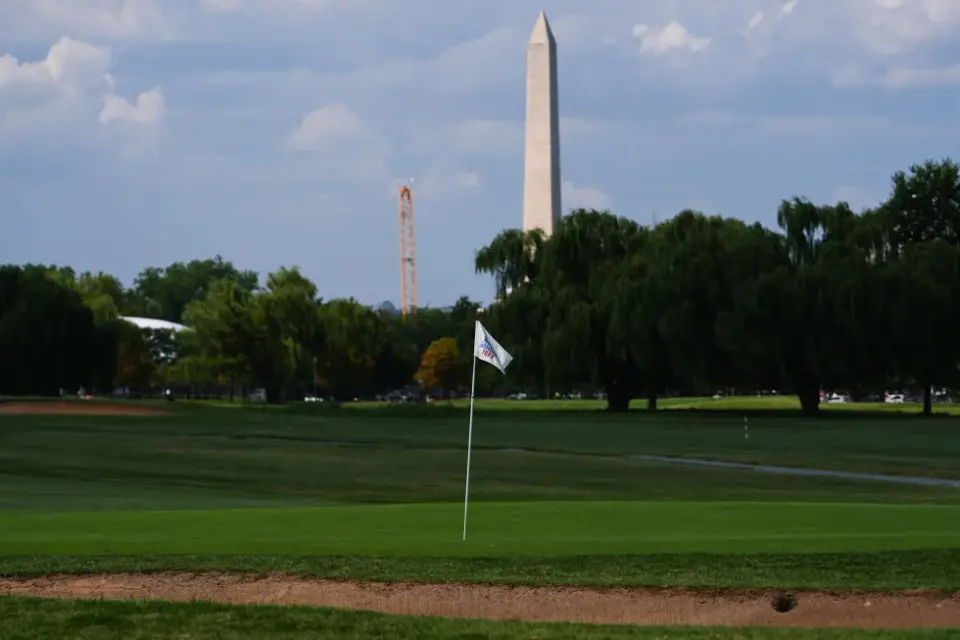
U.S. District Judge Ana Reyes presided over a hearing regarding the Trump administration’s plan to renovate East Potomac Golf Course in Washington, D.C. The administration removed approximately 150 trees, claiming they were dead, hazardous, or invasive, while opponents argue the actions bypassed proper approval. The court has not yet blocked the project, but Reyes expressed concern about irreversible changes occurring without notice. The renovation aims to create a championship-level course by 2028, though detailed plans remain unsubmitted to federal review bodies.
Key points
- Judge Ana Reyes stated she is 'not the Lorax' during a hearing on the East Potomac Golf Course renovation, acknowledging public anger and threats she received regarding tree removals.
- The Trump administration removed about 150 trees from the park, asserting they were dead, dying, hazardous, or invasive, while the DC Preservation League and two local golfers challenge the legality of the project.
- Interior Secretary Doug Burgum unveiled plans by Fazio Design to convert the site into a single 18-hole championship course, with completion targeted for summer 2028.
- The administration has not submitted renovation plans to the National Capital Planning Commission or the U.S. Commission of Fine Arts, prompting concerns about bypassing required approval protocols.
- FactCheck.org clarified that while 150 trees were removed, only one was confirmed to be a cherry tree, contradicting social media claims of mass cherry tree removal.
Background
The dispute centers on East Potomac Park, a 300-acre peninsula south of the National Mall, which currently hosts public golf courses, bike paths, and picnic areas. The Trump administration proposed a major renovation in May 2026, with Interior Secretary Doug Burgum presenting renderings by Fazio Design, a firm that has designed several of President Trump’s golf properties. The project aims to create a championship-level course, potentially hosting major tournaments, with completion scheduled for summer 2028. The DC Preservation League filed a lawsuit in February 2026, arguing the administration’s actions violate the congressional act that created the park and threaten public access. Previous coverage noted tensions over tree removals and lack of transparency, with Judge Reyes previously instructing the National Park Service to consult lawyers before removing more than 10 trees.
How outlets are covering it
The Washington Post reported that the administration characterized the removal of 150 trees as routine maintenance, with officials stating the trees were dead, unhealthy, or invasive. CNN highlighted Judge Ana Reyes’ remarks about receiving threats and her refusal to block the project, noting that plaintiffs initially questioned the rationale for tree removal but later backed down. FactCheck.org clarified that while 150 trees were removed, only one was confirmed to be a cherry tree, debunking social media claims of mass cherry tree removal. The AP emphasized concerns from local residents and cyclists about the loss of public amenities, such as bike paths and picnic areas, and the administration’s tendency to make irrevocable changes before court approvals. The DC Preservation League and local golfers argue the administration is bypassing required approval protocols, while the administration maintains that the project will undergo proper review by federal agencies.
Why it matters
The East Potomac Golf Course renovation highlights broader tensions between the Trump administration and local preservation groups over public spaces in Washington, D.C. The project’s potential impact on public access, environmental protections, and the role of federal approval bodies raises questions about the administration’s approach to urban development. The legal dispute also reflects ongoing concerns about transparency and the speed of government actions, with critics arguing that the administration is moving too quickly to implement changes before judicial or legislative review. The outcome could set a precedent for future federal projects in the capital, influencing how public spaces are managed and preserved.
What to watch
The next steps include the DC Preservation League and local golfers amending their lawsuit to address recent Supreme Court rulings, as directed by Judge Ana Reyes. The administration is expected to submit renovation plans to the National Capital Planning Commission and the U.S. Commission of Fine Arts, though no timeline has been set. The court may issue a ruling on the government’s motion to dismiss the case, with Reyes indicating she could decide quickly. Public attention will focus on whether the administration proceeds with the renovation without final approvals, and whether the project’s scope and timeline align with the stated goal of completion by summer 2028.
- A golf course for ‘the people’ faces a presidential makeover apnews.com
- 150 trees cut down so far at East Potomac Park as Trump Administration defends work at the golf course wusa9.com
- Tree removal at D.C. golf course not part of Trump’s redesign, officials say The Washington Post
- Judge declares she’s ‘not the Lorax’ during hearing on Trump’s DC golf course renovation CNN
- Social Media Posts Push False Claim of Trump Chopping Down 60 Cherry Trees FactCheck.org
Want the full story? Read the original reporting
Read on apnews.com