
Democratic Midterm Sweep Sets Stage for Health Policy Clash with Trump
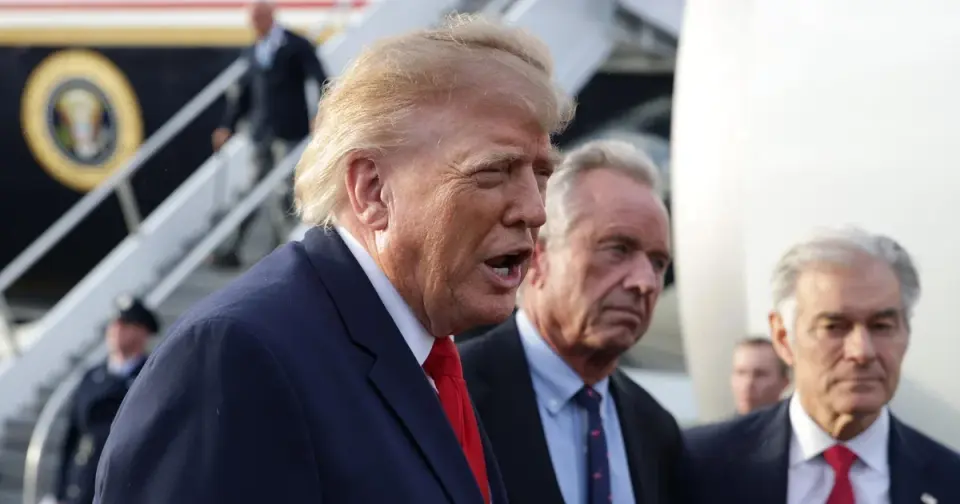
Democrats have secured majorities in both the House and Senate, positioning them to challenge federal health cuts. The new Congress aims to restore Affordable Care Act subsidies and reverse Medicaid reductions, but President Trump’s veto power remains a significant barrier. While legislative progress may be limited, Democrats plan to use oversight powers to investigate health policies and drug pricing deals.
Key points
- Democrats projected to win at least 237 House seats and 54 Senate seats, creating a unified majority.
- Immediate legislative goals include restoring expired ACA subsidies and reversing Medicaid work requirements.
- President Trump has signaled willingness to negotiate, though he retains veto power over major health bills.
- Democrats plan to use subpoena power to investigate drug pricing deals and HHS leadership actions.
- Progressive candidates like Sen.-elect Abdul El-Sayed may push for Medicare expansion, though passage is unlikely.
Background
Prior to the election, polls indicated a historic Democratic shift driven by low presidential approval and voter concerns over healthcare costs. Pre-election forecasts suggested Democrats could achieve their largest House majority since 2009, with healthcare affordability identified as a top voter priority in battleground states.
How outlets are covering it
CBS News emphasizes the potential for a 'dramatic reorder' of policy but notes the veto hurdle. NBC News highlights the leverage Democrats hold to restore subsidies and reverse Medicaid cuts, while acknowledging Trump’s veto threat. Axios points to internal party divisions between progressives and centrists, suggesting that while messaging may be bold, actual policy changes will be limited. Fierce Healthcare notes that while legislative rollbacks are difficult, oversight and budget authority provide alternative avenues for influence. All sources agree that healthcare affordability is a central issue, but they differ on the feasibility of major legislative reversals versus incremental changes or oversight actions.
Why it matters
The outcome determines the future of federal health funding, insurance costs, and public health oversight. Millions of Americans face rising premiums and potential coverage loss if subsidies are not restored. The new Congress’s ability to negotiate with the White House will shape healthcare access and costs for the next two years and beyond.
What to watch
The new Congress is scheduled to be sworn in in January 2027. Democrats plan to act quickly to extend the ACA enrollment period and restore subsidies. Oversight investigations into drug pricing and HHS policies are expected to begin soon. Bipartisan efforts may focus on physician pay and surprise billing reforms, while major structural changes like Medicare expansion remain unlikely in the near term.
- Democrats' election rout is poised to dramatically reorder federal health policy CBS News
- 5 healthcare fights Democrats could take on after midterms sweep NBC News
- Democrats will face a health care stress test Axios
- What Democratic control of Congress means for healthcare in 2027 Fierce Healthcare
- Investors Are Betting a Blue Wave Will Help Hospitals. Don’t Count on It. WSJ
Want the full story? Read the original reporting
Read on CBS News