
Democratic trifectas put National Popular Vote Compact within reach, but legal and political hurdles remain
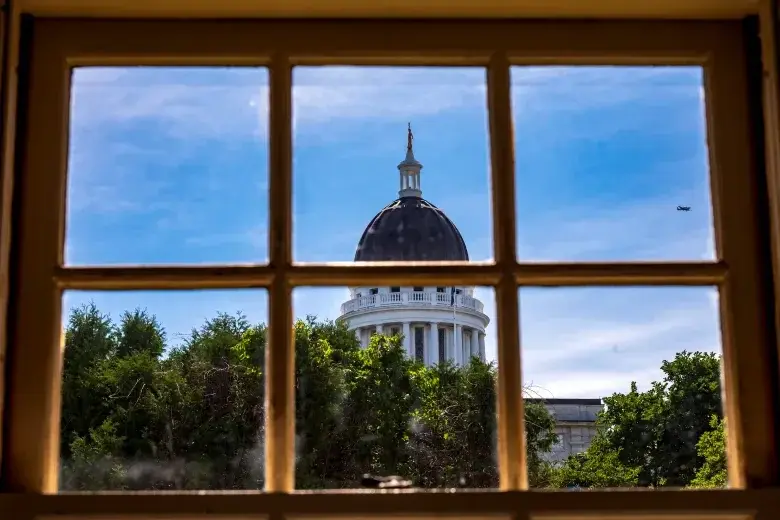
The 2026 midterm elections have brought the National Popular Vote Interstate Compact (NPVIC) within striking distance of its 270-electoral-vote activation threshold. Democrats now control state governments in five key states—Arizona, Michigan, Nevada, Pennsylvania, and Wisconsin—that have not yet joined the compact. If four of these states sign on, the compact would activate, effectively bypassing the Electoral College for the 2028 presidential election. However, the move faces significant legal challenges, potential vetoes, and uneven political support among the new Democratic leaders.
Key points
- The NPVIC requires states with at least 270 electoral votes to agree to award their electors to the winner of the national popular vote, regardless of state-level results.
- Eighteen states and Washington, D.C., have already signed the compact, totaling 222 electoral votes. The five newly Democratic-controlled states hold 61 electoral votes, bringing the potential total to 283.
- Pennsylvania Governor Josh Shapiro and Wisconsin Governor-elect David Crowley have expressed support for the compact, while Nevada Governor-elect Aaron Ford and Arizona Governor Katie Hobbs have not committed to it.
- Legal challenges are expected, with opponents arguing the compact violates the Constitution by bypassing the Electoral College and treating voters differently across states with varying voting rules.
- Congressional approval may be required under the Constitution, and there is debate over whether the President could veto the compact.
Background
Maine joined the NPVIC coalition in 2024. The compact has been a decades-long effort to reform presidential elections, with previous attempts failing due to lack of sufficient state support. The 2026 midterms have provided a new opportunity for the compact to gain momentum, but the path to activation remains uncertain due to legal and political obstacles.
How outlets are covering it
The Washington Post emphasizes the political momentum behind the compact, noting that Democrats' control of more state governments has made the plan 'within reach' politically. However, it highlights the 'dire political risks and guaranteed legal challenges' that could block the compact. Vox, on the other hand, focuses on the concerns of Akhil Reed Amar, a Yale law professor and architect of the NPVIC, who worries the plan could 'go badly wrong.' The Portland Press Herald, while behind a paywall, frames the story as a 'real possibility' that the popular vote could decide the next president, emphasizing the potential impact on the 2028 election. The outlets differ in their emphasis: The Post focuses on the legal and political hurdles, Vox on the risks and uncertainties, and the Press Herald on the potential outcome.
Why it matters
The activation of the NPVIC would fundamentally change how the U.S. president is elected, potentially ending the Electoral College's role in determining the outcome. This could reshape presidential campaigns, as candidates would need to seek votes across the nation rather than focusing on swing states. The compact's success or failure could have significant implications for the 2028 presidential election and the future of American democracy.
What to watch
The next steps involve the new Democratic leaders in the five key states deciding whether to sign the compact. If four of the five states join, the compact would activate, and the legal challenges would begin. The Supreme Court and state supreme courts would likely weigh in on the constitutionality of the compact. Additionally, Congress may need to approve the compact, and the President's role in the process remains uncertain.
- Maine is ready to leave the Electoral College. Here’s how it could actually happen. The Portland Press Herald
- Movement to end electoral college gets boost after Democratic wins The Washington Post
- Democrats’ plan to scrap the Electoral College is within reach. One of its architects has second thoughts. Vox
- Incoming Nevada Governor Changes His Mind on Electoral College Reform Newsweek
- Farewell to the electoral college? Democrats now control enough states to elevate the popular vote PBS
Want the full story? Read the original reporting
Read on The Portland Press Herald