
Democrats face internal split over passing the Bipartisan American Affordability and Jobs Act
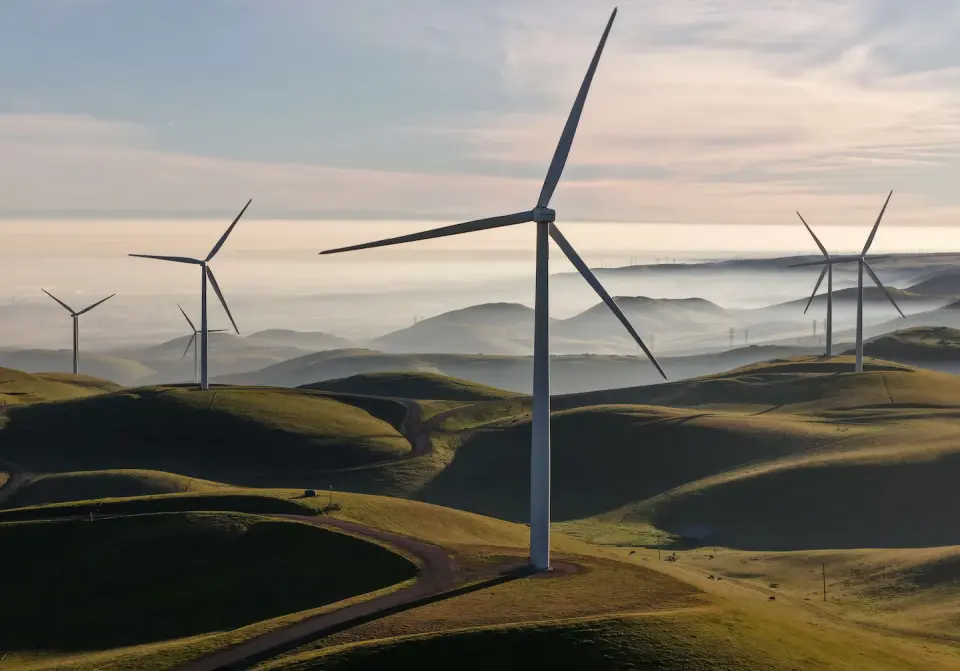
The US Senate advanced the Bipartisan American Affordability and Jobs Act (BAAJA) with a 73-25 vote, but Democrats face internal pressure to block or support the measure. The bill aims to streamline infrastructure permitting, but critics warn it weakens environmental protections and favors fossil fuels.
Key points
- The Senate advanced the BAAJA with a 73-25 vote, a procedural step to speed up permitting for infrastructure projects.
- The bill aims to streamline environmental reviews, limit obstructive litigation, and expand transmission capacity for both fossil fuel and clean energy projects.
- Democrats face internal pressure from environmental groups and liberals who oppose the bill for weakening environmental protections and favoring fossil fuels.
- Proponents argue the bill is essential for lowering energy costs and accelerating clean infrastructure, while critics warn it grants sweeping concessions to fossil fuel and tech industries.
- The measure now faces potential hurdles in the House, where new Democratic leaders have expressed reservations about its provisions.
Background
The BAAJA was unveiled in September 2026, aiming to speed up approvals for energy projects and transmission lines to address a massive backlog of grid connections. Former Energy Secretary Jennifer Granholm urged Democrats to pass the bill before the next Congress, warning that President Trump's restrictions on wind energy could derail the deal. The bill was framed as a final legislative opportunity before President Trump became a lame duck in January 2026.
How outlets are covering it
The Washington Post highlights that many liberals hate the bill, but Democrats may still help the GOP pass it, emphasizing the internal split within the Democratic Party. Bloomberg's editorial board argues that Democrats should take the deal, describing it as a major bipartisan victory that would streamline environmental reviews and limit obstructive litigation. The Washington Post notes that environmental groups oppose the legislation, worried it may lead to damaged public lands and more fossil fuel projects, while Bloomberg emphasizes the bill's potential to encourage green energy projects and expand transmission capacity.
Why it matters
The BAAJA represents a significant shift in US infrastructure policy, potentially accelerating the construction of both fossil fuel and clean energy projects. The bill's passage could lower energy costs and unlock grid capacity, but it also risks weakening environmental protections and tribal consultation rights. The internal split within the Democratic Party highlights the tension between economic growth and environmental stewardship, with the outcome potentially shaping US energy policy for years to come.
What to watch
The BAAJA now faces potential hurdles in the House, where new Democratic leaders have expressed reservations about its provisions. The bill's fate will depend on whether Democrats can reach a compromise or if they will block the measure, potentially leading to a stalemate in Congress. The outcome will also depend on President Trump's actions, as he has threatened capricious executive-branch actions that the bill aims to curtail.
- Many liberals hate this bill to overhaul permitting. Democrats may help pass it anyway. The Washington Post
- Opinion | The Senate passed a permitting reform bill. It threatens tribal sovereignty. The Washington Post
- Congress Is Rewriting the Rules for Data Centers. What It Means for Big Tech. Barron's
- Democrats Should Take the Permitting Deal They Have Bloomberg.com
- Commentary: Bipartisan American Affordability and Jobs Act compromises Alaska Native people's rights Alaska Beacon
Want the full story? Read the original reporting
Read on The Washington Post