
Democrats fracture over Iran war funding strategy ahead of December 11 shutdown deadline
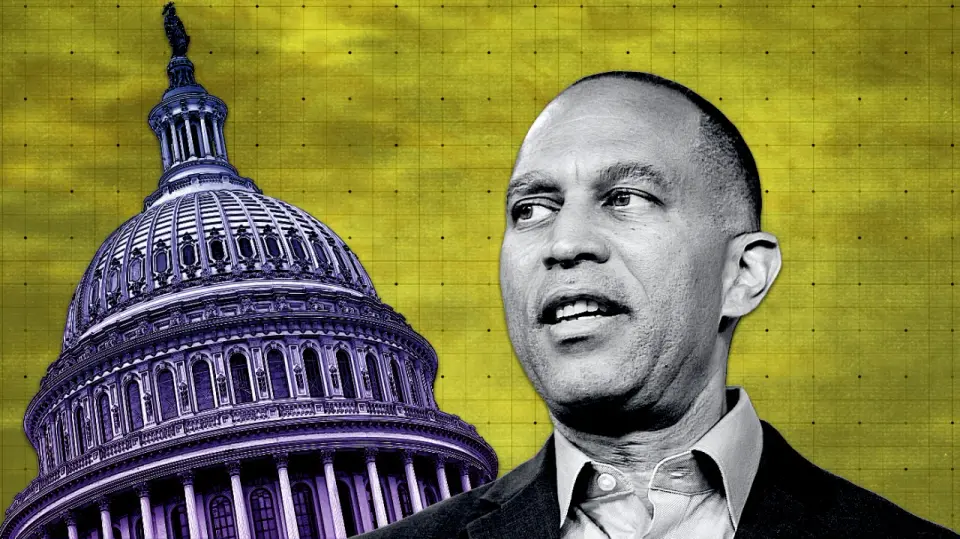
House and Senate Democrats are divided over whether to risk a government shutdown to defund the Iran war before the December 11 deadline. Liberals demand immediate funding cuts, while moderate leaders prioritize avoiding a shutdown to preserve their legislative agenda for the new Congress in January. Republicans oppose tying funding to the war, arguing it is a presidential constitutional authority.
Key points
- The core conflict is between liberal Democrats, who want to use the December 11 funding deadline to force an end to the Iran war, and moderate leaders who fear a government shutdown would derail their January agenda.
- Rep. Ro Khanna and Sen. Chris Van Hollen advocate for defunding offensive military operations, while Rep. Rosa DeLauro and Rep. Gregory Meeks argue for a shorter continuing resolution and alternative restrictions to avoid a shutdown.
- Republicans, including Sen. Ron Johnson, oppose linking government funding to the war, asserting that military operations are a constitutional power of the President and that a shutdown would harm federal workers and military modernization.
- Democrats face a strategic dilemma as they prepare to take control of both chambers in January, with some members suggesting they could use the War Powers Resolution or future appropriations bills to restrict the war without triggering an immediate shutdown.
Background
Following a historic Democratic landslide in the 2026 midterm elections, the party regained control of both the House and Senate. The Iran war, which has been a major point of contention and a factor in the election, is now a central issue for the incoming Democratic majority. The current lame-duck session presents a unique opportunity for Democrats to use their leverage in the government funding battle, but it also highlights internal divisions over how to effectively end the conflict without causing a government shutdown.
How outlets are covering it
The Hill highlights the internal clash within the House, with liberals like Rep. Ro Khanna demanding the removal of Iran funding, while moderate leaders like Rep. Rosa DeLauro and Rep. Gregory Meeks argue against a shutdown to protect their legislative agenda. NPR focuses on the Republican perspective, with Sen. Ron Johnson opposing the idea of tying government funding to the war, asserting that it is a presidential constitutional authority and warning that a shutdown would hinder military modernization. CBS News provides a broader view of the Democratic strategy, noting that while some members want to use the funding deadline as leverage, others are exploring alternative methods, such as the War Powers Resolution, to end the war without risking a shutdown. The sources also highlight the divisions within the Senate, with Sen. Chris Van Hollen challenging Sen. Chuck Schumer for leadership, and the debate over how aggressively to pursue the defund-the-war strategy.
Why it matters
The outcome of this debate will have significant implications for the Iran war and the broader U.S. foreign policy. A government shutdown could disrupt federal services and delay the Democratic agenda for the new Congress. The ability of Congress to effectively restrict the war will also test the limits of presidential power and the role of the War Powers Resolution. The internal divisions within the Democratic party could also have long-term consequences for their ability to govern effectively and implement their policy priorities.
What to watch
The next few weeks will be critical as the December 11 deadline approaches. Democrats will need to decide whether to risk a shutdown to force an end to the Iran war or to pursue alternative strategies. The outcome of this debate will also have implications for the broader relationship between the executive and legislative branches, and the ability of Congress to effectively check presidential power. The incoming Democratic majority will also need to navigate the complex legal and political landscape of restricting the war, including the potential for a veto and the enforceability of any restrictions.
- House Democrats split over risking lame-duck shutdown to defund Iran war The Hill
- Congress struggles to avert US shutdown as Iran war divides lawmakers Reuters
- GOP Sen. Johnson rejects tying government funding to an end to the Iran war NPR
- Democrats want to force Trump to end the Iran war when they take Congress. Can they? CBS News
- Opinion | A government shutdown won’t stop the Iran war The Washington Post
Want the full story? Read the original reporting
Read on The Hill