
Democrats near 270-vote threshold to bypass Electoral College via interstate compact
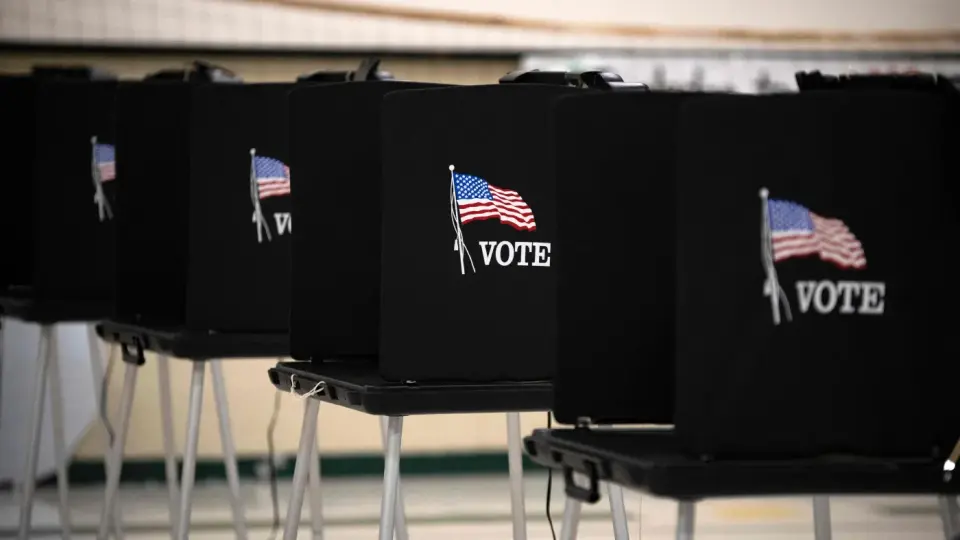
Following 2026 midterm victories, Democrats control five states that could push the National Popular Vote Interstate Compact over the 270-electoral-vote activation threshold. While proponents argue this ensures the popular vote winner becomes president, legal experts debate its constitutionality and practical feasibility.
Key points
- The compact currently holds 222 electoral votes from 18 states and D.C.; adding four of the five new Democratic trifectas (PA, MI, AZ, NV, WI) would exceed the 270-vote requirement.
- Pennsylvania and Nevada governors have expressed openness to signing, but Arizona’s governor has remained silent, and other leaders have not committed.
- Legal scholars disagree on whether the compact violates the Constitution’s compact clause, with some arguing it requires congressional consent or a formal amendment.
- Critics warn that bypassing the Electoral College could exacerbate regional divides and create logistical tensions among state election administrators.
- Proponents claim the compact would force candidates to campaign nationally rather than focusing on swing states, making every vote count equally.
Background
The National Popular Vote Interstate Compact was established in 2006 to circumvent the Electoral College by having states pledge their votes to the national popular vote winner. It requires 270 electoral votes to activate. Previous attempts to abolish the Electoral College via constitutional amendment, such as in 1969, failed. The 2026 midterms marked a significant Democratic gain, providing the first realistic path to activation since the compact’s inception.
How outlets are covering it
NPR and Time Magazine emphasize the political momentum and potential for activation by 2028, noting optimism from Democratic leaders and advocates. Bloomberg’s Noah Feldman argues that the compact is constitutionally risky and should not replace a formal amendment. Legal experts are split: Harvard’s Lawrence Lessig calls the compact permissible, while Willamette’s Norman Miller and Colorado’s Jennifer Hendricks raise concerns about the compact clause and federal supremacy. Akhil Amar warns that partisan imbalance could lead to sabotage, while Vikram Amar suggests delaying implementation to build bipartisan support.
Why it matters
If activated, the compact would fundamentally alter U.S. presidential elections by prioritizing the national popular vote over state-by-state electoral votes. This could shift campaign strategies, reduce the influence of swing states, and potentially resolve disputes where the popular vote and Electoral College results diverge, as seen in 2000 and 2016.
What to watch
State legislatures in the five new Democratic trifectas must pass compact legislation, and governors must sign it. Legal challenges are likely if the compact reaches 270 votes. The Supreme Court may eventually rule on its constitutionality. Advocates hope for activation before the 2028 election, while opponents push for a constitutional amendment instead.
- An effort to circumvent the Electoral College may be within reach. But hurdles remain NPR
- How Democrats Could Nullify the Electoral College Time Magazine
- National Popular Vote Compact: A 2028 Train Wreck? Cato Institute
- Opinion | Think America should ditch the electoral college? Think again. The Washington Post
- Fix the Electoral College, But Not Like This Bloomberg.com
Want the full story? Read the original reporting
Read on NPR