
Democrats pivot to attacking Trump in 2026 midterm ads as GOP struggles to find a target
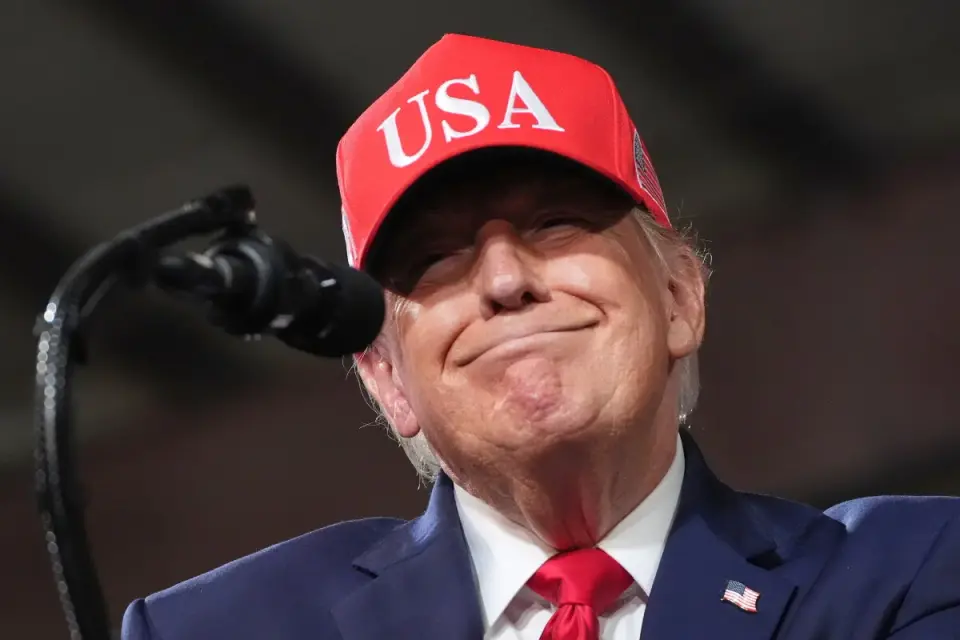
Democratic campaigns are increasingly focusing their paid media attacks on President Donald Trump, a strategy that contrasts with the Republican Party's difficulty in identifying a unifying Democratic opponent. While Republicans have struggled to rally voters against figures like Zohran Mamdani or Alexandria Ocasio-Cortez, Democrats have found a clear target in the current administration. This shift comes amid legal battles over the White House's use of taxpayer funds for promotional television spots, which Democrats are leveraging to frame the administration as engaging in illegal propaganda. The dynamic highlights a strategic asymmetry in the 2026 midterm cycle, where one party has a clear antagonist while the other lacks a cohesive 'boogeyman' to unify its messaging.
Key points
- Democratic campaigns are heavily featuring President Trump in their paid advertising for the 2026 midterms.
- Republican campaigns have struggled to identify a unifying Democratic target, with former President Joe Biden appearing in significantly fewer ads than in 2024.
- Democrats are linking their attacks on Trump to ongoing legal disputes over the White House's use of taxpayer funds for promotional ads.
- The lack of a clear Democratic target for Republicans complicates their messaging strategy, while Democrats benefit from a clear antagonist.
- The White House has faced court orders blocking its promotional ads, which Democrats are using to argue the administration is violating laws against government propaganda.
Background
In early October 2026, Republicans were noted to lack a clear villain for their midterm ads, with Joe Biden's relevance fading compared to the 2024 cycle. Simultaneously, a legal battle emerged over the Trump administration's use of taxpayer funds for self-promotional ads, with Democrats proposing budget penalties and a judge extending a block on these ads after the White House defied initial court orders. These developments set the stage for the current strategic divergence in advertising focus.
Why it matters
The divergence in advertising strategies between the two major parties could significantly impact voter engagement and turnout in the 2026 midterms. Democrats' ability to focus on a single, high-profile target may simplify their messaging and mobilize their base, while Republicans' struggle to find a unifying opponent could lead to fragmented or less effective campaigns. This dynamic also highlights the ongoing legal and ethical debates surrounding the use of government resources for political messaging, which could influence public trust in the administration and the electoral process.
What to watch
Expect continued legal challenges to the White House's promotional ads as the midterm election approaches. Democrats are likely to intensify their attacks on Trump, leveraging the legal disputes to frame the administration's actions as illegal. Republicans may continue to experiment with different targets, but without a clear unifying figure, their messaging may remain fragmented. The outcome of the legal battles over the ads could also influence public perception of the administration and potentially impact voter behavior.
Want the full story? Read the original reporting
Read on AP News