
Democrats target private sector to bypass Trump’s executive privilege shield
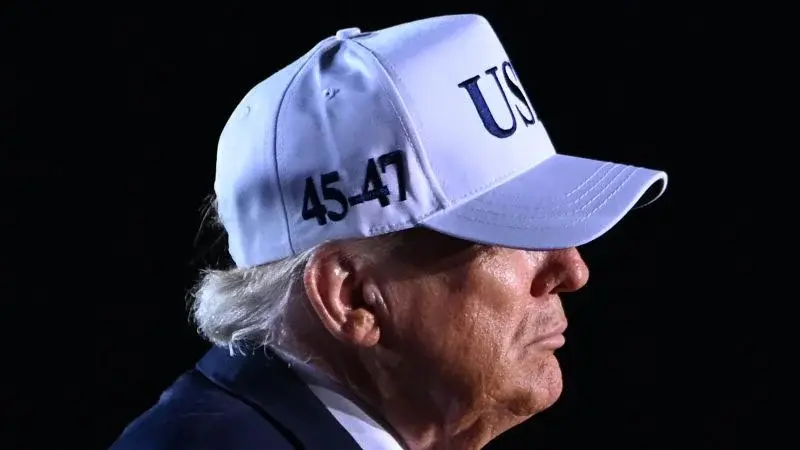
As Democrats assume control of Congress, they are shifting investigative focus to private companies and outside advisers to circumvent the Trump administration’s aggressive use of executive privilege. The White House is asserting that confidentiality protections extend to non-governmental consultants, while Democrats plan to leverage third-party records and public pressure to bypass legal delays. Corporate legal advisers warn that companies caught between congressional subpoenas and White House pressure face significant reputational and financial risks, creating a new dynamic in oversight battles that prioritizes speed over traditional litigation.
Key points
- Democrats are targeting private entities, including law firms and crypto industry partners, to gather evidence without relying on the White House, which has stonewalled direct requests.
- The Trump administration is asserting executive privilege over communications with outside advisers, arguing that shielding these individuals is essential for presidential decision-making, a stance previously rejected by the Supreme Court in 2020.
- White House counsel and Justice Department officials have threatened criminal probes against lawmakers and witnesses to deter cooperation, a tactic that has previously failed in cases involving former officials like Cassidy Hutchinson.
- Legal experts note that companies are pre-emptively preserving documents and navigating conflicting demands, as receiving a subpoena often triggers public scrutiny and market risk regardless of the underlying legal outcome.
- Democrats are considering rule changes in the Senate to expedite subpoena enforcement, aiming to overcome the administration’s strategy of using litigation delays to exhaust the 18-month window before the 2028 campaign season.
Background
This escalation follows the 2026 midterm elections, where Democrats secured control of both chambers of Congress. While internal party debates initially favored pragmatic cooperation on affordability over aggressive investigations, the administration’s defensive posture and threats of retaliation have pushed oversight leaders toward a more confrontational strategy. This mirrors historical patterns, such as the 2007 oversight surge, where Democrats used third-party records to bypass executive resistance. The current conflict also echoes the 2020 Supreme Court ruling on the Mazars case, which established limits on presidential immunity but allowed for significant litigation delays.
How outlets are covering it
CNN emphasizes the legal and strategic maneuvering, highlighting the administration’s use of executive privilege to shield private allies and the Democrats’ reliance on third-party sources to avoid judicial delays. GovCIO Media & Research focuses on the practical impact for federal contractors, warning that companies involved in administration projects or sole-source contracts face heightened scrutiny and should prepare documentation proactively. JD Supra frames the situation as a corporate risk management issue, noting that companies may face conflicting demands from different government branches, where compliance with one entity can trigger scrutiny from another. While CNN and JD Supra focus on the legal and reputational consequences, GovCIO highlights the operational and financial exposure for defense and procurement firms.
Why it matters
This shift in oversight tactics could redefine the boundaries of executive privilege and congressional power, potentially setting precedents for future administrations. For corporations, the inability to navigate conflicting government demands creates significant legal and financial uncertainty, as mere participation in administration-related projects can trigger investigations. The outcome of these battles may influence the pace and effectiveness of Democratic oversight, with delays potentially allowing the administration to avoid accountability before the next election cycle.
What to watch
Democrats are expected to pursue rule changes in the Senate to streamline subpoena enforcement and may use public messaging to pressure companies into compliance. The administration is likely to continue asserting executive privilege in court cases involving private advisers and may threaten further criminal probes against witnesses. Corporate legal teams are advising clients to preserve records and prepare for potential subpoenas, while some companies may seek to negotiate settlements with lawmakers to avoid public scrutiny. The resolution of these legal challenges will likely depend on judicial rulings on the scope of executive privilege and the willingness of companies to cooperate with congressional demands.
- How Trump will try to block Democratic congressional investigations CNN
- Democrats Are Wasting No Time Investigating Corporate America’s Biggest Names WSJ
- Contractors May Avoid a Shutdown, but Get More Scrutiny From New Congress GovCIO Media & Research
- The New Washington Playbook: Oversight, Enforcement And Corporate Risk JD Supra
- Business Planning Regarding the Coming Congressional Investigations in 2027 The National Law Review
Want the full story? Read the original reporting
Read on CNN