
Denver summit reveals deep rifts in Democratic unity after midterm wins
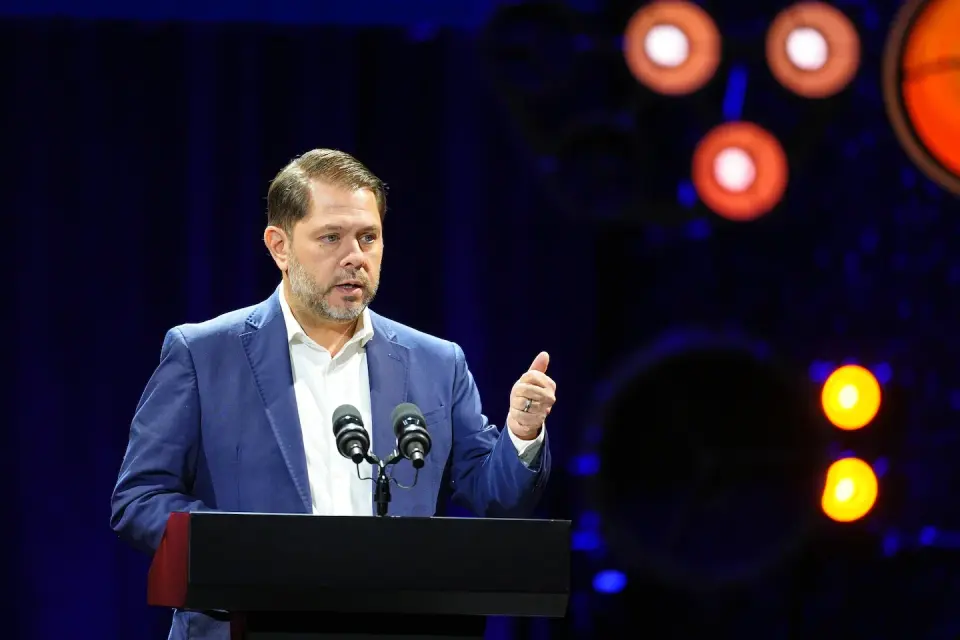
Thousands of Democrats gathered in Denver for the 'What’s Next' conference to celebrate historic midterm victories, including the recapture of both congressional chambers and flips in deep-red states like Mississippi and South Carolina. While centrist leaders touted a unified center-left strategy, the event exposed sharp ideological divides. Progressives criticized the lavish, billionaire-funded nature of the summit, heckling House Minority Leader Hakeem Jeffries and demanding Medicare for All. The gathering serves as an early preview of the 2028 presidential primary, where candidates are positioning themselves as unifiers amidst ongoing debates over money in politics and healthcare policy.
Key points
- The 'What’s Next' conference, hosted by the centrist group Majority Democrats, drew approximately 3,500 attendees, including 2028 presidential hopefuls, donors, and strategists.
- Democrats celebrated winning back both chambers of Congress and flipping traditionally Republican states such as Mississippi and South Carolina in the recent midterms.
- Progressive critics, including Josh Orton of Demand Justice, labeled the event out-of-touch and criticized its reliance on billionaire funding, contrasting it with the party's anti-billionaire campaign messaging.
- Protesters infiltrated the venue to heckle House Minority Leader Hakeem Jeffries, shouting slurs and demanding Medicare for All and his impeachment.
- Majority Democrats faced backlash from the progressive outlet The Lever over press access restrictions, with founder David Sirota accusing the group of retaliatory tactics, though the dispute boosted The Lever's subscriber count.
- Candidates like Pennsylvania Gov. Josh Shapiro and Michigan Sen. Elissa Slotkin downplayed internal divisions, arguing that voters care more about results than ideological labels.
Background
This summit follows recent internal friction within the Democratic caucus, where incoming freshman Don Leonard publicly challenged House leadership over Israel policy and super PAC influence. The New Democrat Coalition had previously pledged support for Jeffries, but Leonard’s demands for a super PAC ban and leadership changes highlighted early tensions. The Denver event marks the first major in-person gathering for the party since the 2020 election, offering a platform to assess the trajectory of the 2028 presidential race.
How outlets are covering it
The Washington Post framed the gathering as a celebration with a warning to maintain unity, while The New York Times highlighted the array of attendees and the broader party dynamics. Axios provided the most detailed account of the conflict, emphasizing the clash between the centrist, billionaire-funded Majority Democrats and progressive critics. Axios noted that while some attendees celebrated the 'vibes' and unity, others viewed the event as a symbol of the establishment they opposed. The outlets agreed on the historic nature of the midterm wins but differed in emphasis: The Post focused on the strategic warning, while Axios detailed the specific confrontations and funding controversies that exposed the party's internal fractures.
Why it matters
The Denver summit signals that the Democratic Party’s post-midterm unity is fragile. The visible clashes between centrist and progressive wings over funding and policy priorities suggest that the 2028 presidential primary will be defined by these ideological battles. The ability of the party to reconcile its base with its establishment donors will likely determine its electoral strategy in the next cycle, particularly regarding healthcare and campaign finance reform.
What to watch
Expect continued scrutiny of Majority Democrats’ funding sources and potential further confrontations between progressive activists and centrist leadership. The 2028 presidential primary will likely feature candidates positioning themselves as unifiers, while progressive groups may intensify pressure on issues like Medicare for All and super PAC bans. The outcome of these internal debates will shape the party’s platform and candidate selection for the 2028 election.
- Fresh off victory, Democrats gather with a warning: Don’t mess this up The Washington Post
- 8 Takeaways From a Big Democratic Gathering in Denver: Democrats in Array The New York Times
- Dems' Denver victory party previews 2028 battles Axios
- After midterm sweep, Democrats split over Trump, cost-cutting agenda Reuters
- Democrats try out a strange new emotion at post-midterms What's Next conference: hope PBS
Want the full story? Read the original reporting
Read on The Washington Post