
Detainees at Georgia ICE facility launch hunger strike ahead of inspection
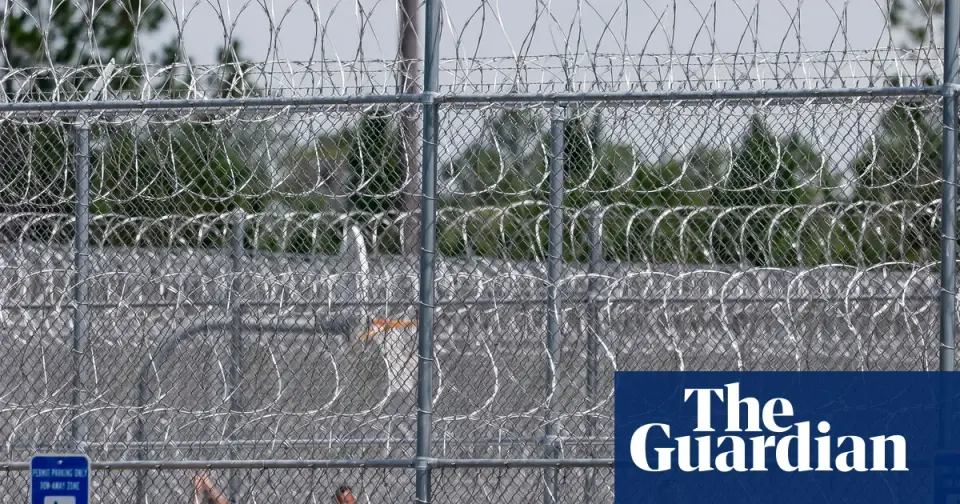
Detainees at the Folkston D. Ray James ICE processing center in Georgia have launched a mass hunger strike to protest prolonged detention and poor conditions. The protest, timed to coincide with a facility inspection, involves at least 73 participants from 13 countries, including asylum seekers from Russia, China, and Sudan. Advocates and family members report that detainees are demanding release while their legal cases proceed, citing years of confinement without criminal charges. The facility, operated by the private company GEO Group, has faced allegations of substandard medical care, moldy food, and hostile staff behavior. ICE and GEO Group have not responded to requests for comment regarding the strike or the specific allegations raised by detainees and their families.
Key points
- At least 73 detainees at the Folkston D. Ray James ICE processing center in Georgia have initiated a hunger strike this week.
- The strike was timed to coincide with a scheduled inspection of the facility on October 6, aiming to expose alleged poor conditions to oversight officials.
- Detainees, primarily asylum seekers from 13 countries including Russia, China, and Sudan, have been held for between 16 months and three years without criminal charges.
- A 45-person open letter signed by detainees demands release, protection from deportation, and family reunification, arguing that long-term detention without individualized justification is unfair.
- Allegations include substandard medical and dental care, moldy food, foul-smelling water, and threats of solitary confinement by GEO Group guards.
- Lead organizer Idris Makhmudov, a Russian asylum seeker, has reportedly been placed in solitary confinement this week.
Background
This protest follows a series of hunger strikes in ICE detention centers since the Trump administration took office in 2025. The Folkston facility, a former state prison opened in 1997, began detaining ICE custody individuals in 2018 and expanded its capacity last year under a new contract with GEO Group. Recent data shows approximately 2,200 people detained at the facility as of July 2026. The current strike is the latest in a pattern of protests at GEO Group-run facilities, including a previous strike at Delaney Hall in New Jersey that drew international attention. The broader context includes increased ICE arrests nationwide, including of migrants without criminal records, and a proposed $103,265 H-1B fee to fund the immigration system.
How outlets are covering it
The Guardian and Straight Arrow emphasize the scale of the hunger strike (73 participants) and the diversity of nationalities involved, highlighting the open letter signed by 45 detainees demanding release. The Moscow Times and Novaya Gazeta Europe focus on the Russian detainees' specific grievances, including a September 14 document detailing medical neglect, poor living conditions, and xenophobic behavior by staff. The Moscow Times notes that conditions improved slightly before the inspection, suggesting a possible attempt to influence inspectors. Novaya Gazeta Europe highlights specific incidents, such as a detainee losing consciousness during a blood draw and being held in a concrete room, and quotes a warden allegedly making xenophobic remarks. All sources agree that ICE and GEO Group did not respond to requests for comment, but they differ in emphasis: The Guardian and Straight Arrow focus on the broader protest and legal demands, while The Moscow Times and Novaya Gazeta Europe focus on the Russian detainees' specific experiences and the timing of the strike relative to the inspection.
Why it matters
The hunger strike highlights ongoing concerns about conditions and prolonged detention in ICE facilities, particularly those operated by private contractors like GEO Group. The timing of the strike, coinciding with an inspection, raises questions about the transparency and accountability of ICE detention facilities. The allegations of substandard medical care, poor living conditions, and hostile staff behavior, if substantiated, could have significant implications for the treatment of asylum seekers and other detainees in the U.S. immigration system. The strike also underscores the broader tensions between ICE and immigrant advocates, as well as the challenges faced by asylum seekers in navigating the U.S. immigration system. The lack of response from ICE and GEO Group to requests for comment further raises questions about the transparency and accountability of these agencies and contractors.
What to watch
The hunger strike is expected to continue, with detainees demanding release and improved conditions. The outcome of the October 6 inspection will be closely watched, as it may influence the conditions and treatment of detainees at the Folkston facility. ICE and GEO Group may face increased scrutiny from oversight bodies, including the DHS Office of Inspector General and the American Correctional Association, as a result of the allegations raised by detainees and their families. The broader implications of the strike may include increased attention to the conditions in ICE detention facilities and the role of private contractors in the U.S. immigration system. The strike may also influence public opinion and policy debates regarding the treatment of asylum seekers and other detainees in the U.S. immigration system.
- Detained immigrants at Georgia ICE facility launch mass hunger strike The Guardian
- Russians in ICE Detention Plan Hunger Strike to Protest Poor Conditions The Moscow Times
- Protest, lawsuit claim ICE is not following its own rules for detainees Straight Arrow
- Russians held at U.S. immigration detention facility report mistreatment, harsh conditions, and inadequate medical care https://theins.press/en
- Russians held in US immigration detention to launch hunger strike over poor conditions and mistreatment Новая газета Европа
Want the full story? Read the original reporting
Read on The Guardian