
DHS Launches Midterm Voter Fraud Surge Amid Scrutiny of Noncitizen Claims
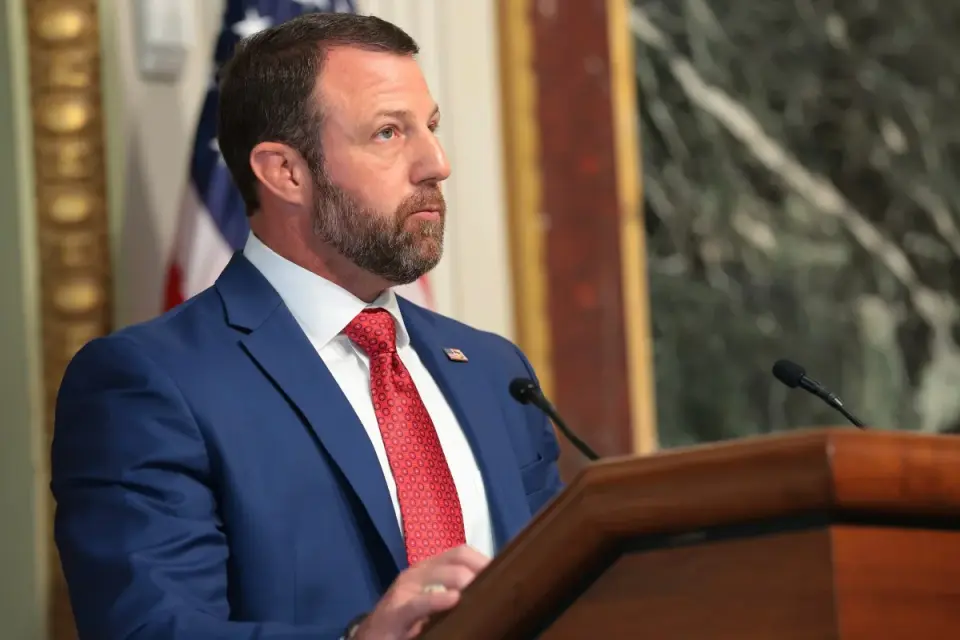
The Department of Homeland Security is deploying a coordinated investigative surge to target alleged noncitizen voting in nine states ahead of the 2026 midterms. While officials frame this as a necessary measure to safeguard elections, critics argue the initiative lacks evidentiary support and serves as a pretext to suppress voter participation. The move follows recent controversies involving ICE leadership and raises concerns about the politicization of federal law enforcement.
Key points
- Homeland Security Investigations (HSI) began a 'coordinated criminal voter fraud surge' on September 2, 2026, targeting nine states including California, New York, and Pennsylvania.
- The initiative, set to continue through mid-October, aims to pursue investigative leads and conduct field interviews, according to federal guidance reviewed by CNN.
- Critics note that noncitizen voting is vanishingly rare and has not impacted election outcomes, suggesting the probe may be designed to generate allegations rather than address actual fraud.
- The surge follows the ousting of Border Patrol Commander Gregory Bovino, whose internal emails revealed antisemitic comments and credibility issues in federal testimony.
- The timing coincides with broader tensions over election integrity, including a Supreme Court ruling on the White House ballroom and a USPS whistleblower warning about mail-in ballot delivery.
Background
This development follows earlier DHS claims of widespread noncitizen registration, which state officials and experts have disputed as methodologically flawed. In July 2026, DHS Secretary Markwayne Mullin discussed election security, and in August, internal disclosures showed that earlier claims of mass noncitizen voting were far more limited than initially suggested. The current surge is part of a broader pattern of federal actions targeting voting rights, which critics argue disproportionately affect Democratic-leaning states.
Why it matters
The DHS voter fraud surge could set a precedent for using federal investigative resources to influence midterm elections, potentially chilling voter participation and undermining public trust in the electoral process. If the initiative leads to unfounded allegations or investigations, it may exacerbate partisan divisions and erode confidence in the integrity of the 2026 elections.
What to watch
HSI is expected to continue its surge through mid-October, potentially generating a steady stream of allegations and investigations. The outcome will depend on whether any credible evidence of widespread noncitizen voting emerges or if the initiative is perceived as a political tool. Additionally, the Supreme Court's upcoming decisions on election-related issues and the Senate's progress on the SAVE Act will shape the broader landscape for voting rights in 2026.
Want the full story? Read the original reporting
Read on Talking Points Memo