
Court Records Reveal DHS Agents Infiltrated Minneapolis Anti-ICE Protests and Monitored Memorials
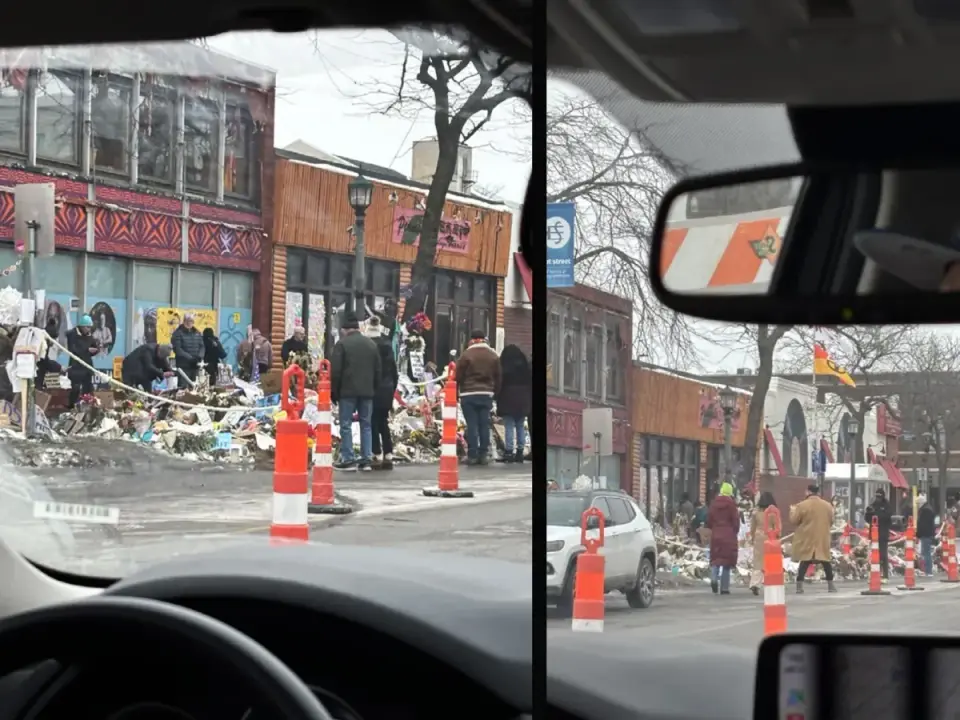
Newly disclosed court documents reveal that undercover Homeland Security Investigations agents infiltrated anti-ICE protest groups in Minneapolis, including a makeshift memorial for Alex Pretti. The agents joined Signal chats, attended meetings for groups like the Party for Socialism and Liberation, and even voted on policy platforms, all while searching for evidence of violence. Despite extensive surveillance, agents reported finding no intent for violence. The records also detail a separate incident where an agent entered a church protected by a federal injunction, leading to a contempt hearing.
Key points
- Undercover agents monitored a memorial for Alex Pretti and joined a neighborhood rapid response Signal group.
- Agents infiltrated meetings for the Party for Socialism and Liberation and the Sunrise Movement, finding no evidence of violent intent.
- One agent voted to abolish prisons during a community meeting, later claiming the group moderated its stance.
- Federal agents trailed a protester from his home to a coffee shop and then to a church.
- A federal judge ordered the government to justify why it should not be held in contempt for violating a church injunction.
Background
This surveillance follows the fatal shootings of Alex Pretti and Renee Good in Minneapolis earlier this year, which sparked widespread anti-ICE protests. Previous coverage noted that the Department of Justice charged 15 protesters with conspiracy, while civil rights groups argued the government was criminalizing lawful protest. The current disclosures add specific details to the broader 'Operation Puppet Master' investigation, which began after the Trump administration designated certain groups as domestic threats.
How outlets are covering it
Talking Points Memo emphasizes the agents' active participation, such as voting on policy and joining Signal groups, while highlighting that the surveillance failed to find violent intent. The Guardian focuses on the invasive nature of the surveillance, detailing agents screenshotting chats and trailing individuals to their homes and churches. MPR News highlights the legal conflict, noting that a judge has ordered the government to explain why it should not be held in contempt for sending an agent into a church protected by a federal injunction. All sources agree that the government has declined to comment on the specific investigative methods.
Why it matters
These documents raise significant questions about the boundaries of domestic surveillance and the potential chilling effect on First Amendment activities. The contempt hearing regarding the church injunction tests the limits of federal enforcement powers in protected spaces, while the lack of violent intent found by agents challenges the government's justification for the conspiracy charges against the 15 defendants.
What to watch
A hearing is scheduled for September 4, where the government must explain why it should not be held in contempt for violating the church injunction. Additionally, a hearing in the conspiracy case is scheduled for Thursday, where the government has requested an extension due to staffing issues, a request denied by the magistrate judge.
- Undercover DHS Agent Monitored Alex Pretti Memorial, New Docs Suggest Talking Points Memo
- Churches, libraries and breweries: Inside DHS' covert surveillance operation NPR
- Revealed: How undercover agents spied on anti-ICE protesters in Minnesota The Guardian
- Judge orders federal government to justify spying at Minneapolis church MPR News
- New court filings reveal more details of undercover agents’ surveillance of anti-ICE protesters Minnesota Reformer
Want the full story? Read the original reporting
Read on Talking Points Memo