
DOJ Launches Aggressive but Legally Weak Election Interference Campaign Ahead of Midterms
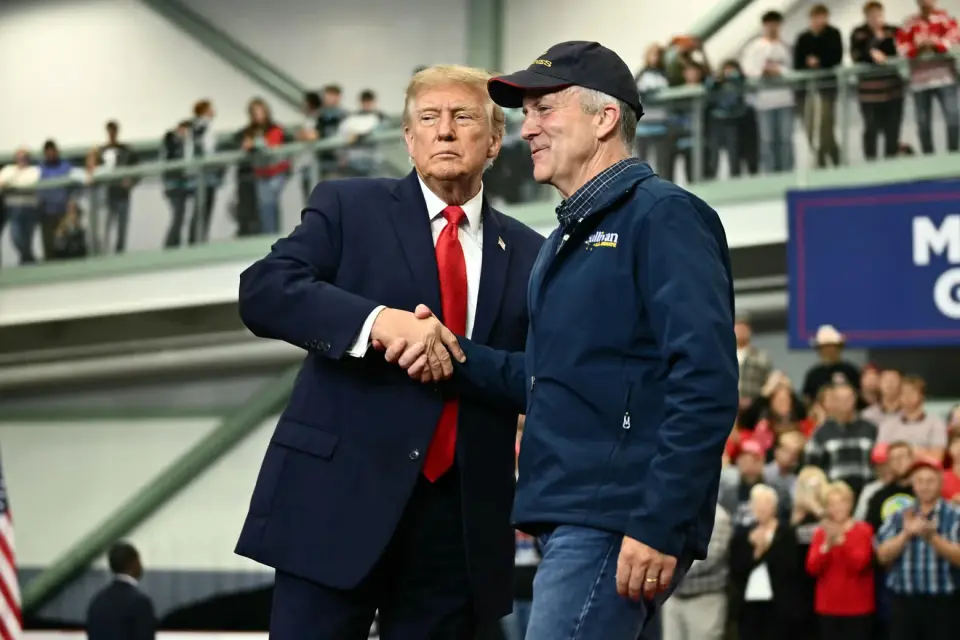
With days remaining before the November midterms, the Department of Justice (DOJ) has intensified its legal and public pressure on state election processes, filing lawsuits in Alaska and California while staging high-profile arrests of legal permanent residents. The DOJ seeks to block the certification of Alaska’s U.S. Senate race due to a duplicate candidate name and has demanded California segregate mail ballots for 20,000 individuals it claims are noncitizens. These actions follow a series of federal court losses regarding voter registration and mail ballot rules. Legal experts and state officials describe the DOJ’s moves as procedurally flawed, factually inaccurate, and politically motivated, noting that the administration’s attempts to interfere with vote counting lack constitutional authority and have failed to produce credible evidence of widespread fraud.
Key points
- DOJ filed a lawsuit in Alaska to block the certification of the U.S. Senate race, arguing that a second candidate named Dan Sullivan violates federal election integrity laws, despite the Alaska Supreme Court having already approved the ballot access in June.
- In California, the DOJ demanded that Los Angeles County segregate mail ballots for 20,000 individuals identified as 'likely noncitizens,' a list that state officials and experts say contains numerous errors, including U.S.-born citizens and unregistered individuals.
- The DOJ staged a dramatic pre-dawn raid to arrest 72-year-old Omar Muñoz, a legal permanent resident, in a move described by legal experts as theatrical and unprecedented for nonviolent voting offenses, aiming to create a public narrative of rampant voter fraud.
- The administration’s legal strategy includes an attempt to appeal a non-ruling from a lower court in California to the Ninth Circuit, a procedural maneuver described as a 'Hail Mary' that is likely to fail because temporary restraining orders are not appealable and no order had been issued.
- Federal courts have previously blocked Trump administration executive orders attempting to change federal voter registration forms and mail ballot rules, ruling that the Constitution reserves election administration to the states and that the executive branch lacks unilateral power to alter federal election procedures.
Background
This escalation follows earlier federal court defeats for the administration, including a Supreme Court ruling that the Postal Service likely exceeded its power in attempting to gatekeep state mail ballots. The DOJ has previously lost 26 cases seeking unredacted state voter lists. The current actions occur amid a broader pattern of the administration challenging state election processes, including demands for voter roll data that have been shown to be unreliable in other states like Nevada, where a list of 16,000 potential ineligible voters was reduced to zero after investigation.
How outlets are covering it
Slate Magazine characterizes the DOJ’s actions as 'desperate and unprofessional,' emphasizing that the lawsuits are 'factually unsupported and legally vacuous' and likely to fail, noting that the administration is 'shooting blanks' despite the fear of direct interference. The Guardian focuses on the human impact and procedural irregularity, highlighting the theatrical nature of the arrest of Omar Muñoz and the DOJ’s release of a promotional video, which legal experts describe as 'disgusting' and a departure from traditional norms of avoiding partisan enforcement during campaign season. The New York Times reports on the procedural maneuvering, noting the DOJ’s attempt to jump-start the California case by appealing a non-ruling, and highlights the lack of clear evidence or reliable data behind the 20,000-person list. AP News provides context on the charges against legal permanent residents, noting that many were in the process of naturalization and that the charges often relate to lying on citizenship applications rather than actual voting, with some defendants claiming confusion about their eligibility.
Why it matters
The DOJ’s actions represent a significant test of the separation of powers in election administration, challenging the constitutional principle that states control elections. The legal weakness of the cases suggests that the administration may be prioritizing political messaging over legal viability, potentially undermining public trust in the integrity of the upcoming midterms. The focus on swing states like Alaska, where the Senate race is close, raises concerns about the potential for federal interference to influence outcomes in critical races, even if the legal challenges ultimately fail.
What to watch
The California case will likely proceed to a hearing in the lower court, with the DOJ’s appeal to the Ninth Circuit expected to be dismissed. The Alaska case will face scrutiny from a judge appointed by President Obama, with the outcome likely to uphold state certification. The administration may continue to pursue high-profile arrests and media campaigns to maintain the narrative of voter fraud, but legal experts predict these efforts will fail to alter election outcomes or withstand judicial review.
- The DOJ Just Telegraphed Trump’s Biggest Election Target Slate
- ‘They wanted to make a scene’: the 72-year-old paraded in dramatic arrest for ‘voter fraud’ The Guardian
- Trump Administration Asks Appeals Court to Intervene in California Mail Ballot Suit The New York Times
- Immigrants seeking US citizenship targeted in Trump administration's illegal voting crackdown AP News
- The Trump administration claims thousands of noncitizens are on California’s rolls. How it found those names is a mystery Democracy Docket
Want the full story? Read the original reporting
Read on Slate