
DOJ Expands Tuition Lawsuit Campaign to NY, CT, and VT
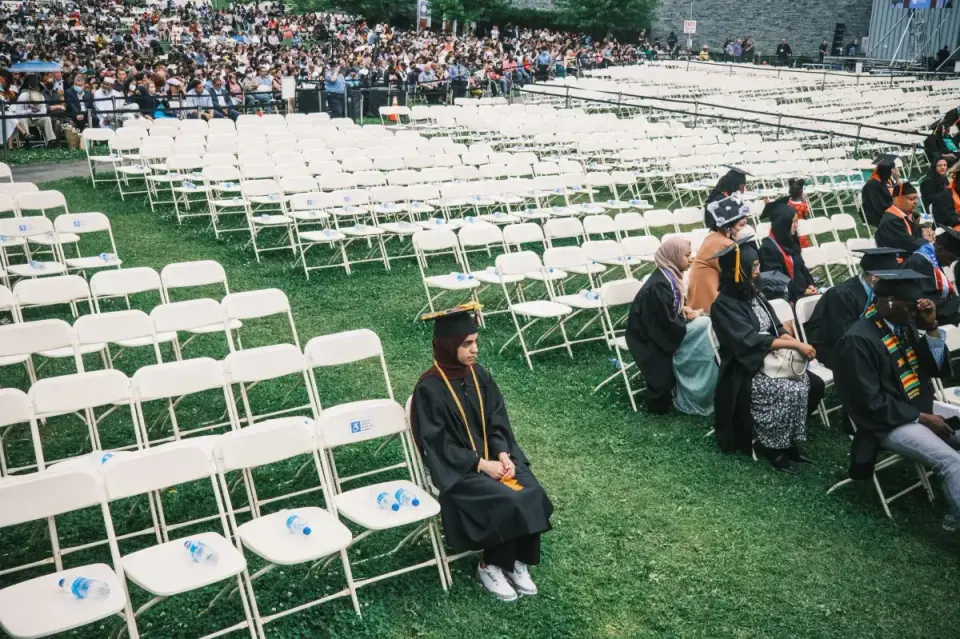
The U.S. Department of Justice has filed lawsuits against New York, Connecticut, and Vermont, alleging that state laws granting in-state college tuition rates to unauthorized immigrants violate federal statutes. The Justice Department argues these policies discriminate against U.S. citizens by providing benefits to non-citizens that are not available to citizens of other states. This action follows recent federal court victories in Texas, Kentucky, Oklahoma, Nebraska, and Illinois, where similar state provisions were struck down or enjoined. While the DOJ asserts that Congress has explicitly prohibited such preferential treatment, state officials in Connecticut have publicly defended their policies, arguing that education access should not be contingent on immigration status.
Key points
- The DOJ sued New York, Connecticut, and Vermont on August 10, 2026, challenging state laws that extend in-state tuition and financial aid to unauthorized immigrants.
- The lawsuits cite 8 U.S.C. § 1623(a), which restricts postsecondary education benefits for aliens not lawfully present in the U.S. unless equivalent benefits are provided to U.S. citizens.
- Connecticut’s laws, some dating back to 2011, allow residents with a five-year residency threshold to access student loan reimbursements and tuition discounts.
- Vermont’s legislation, including Senate Bill 191, explicitly prohibits discrimination based on immigration status for in-state tuition eligibility.
- The DOJ has previously secured favorable rulings in five states, including a July 2026 injunction against Illinois, which was upheld after the state’s attorney general refused to voluntarily comply.
Background
This latest legal action is part of a broader federal strategy to enforce 8 U.S.C. § 1623(a) against states that provide educational benefits to unauthorized immigrants. In July 2026, a federal judge in Illinois struck down the state’s RISE Act and Illinois DREAM Act provisions for unauthorized immigrants, a move that followed similar injunctions in Texas and other states. The DOJ has now sued 17 states in total, with cases pending in nine additional jurisdictions, including California and New Jersey. This campaign aligns with the administration’s broader efforts to limit federal and state benefits for non-citizens, as seen in recent moves to restrict banking access for unauthorized immigrants.
How outlets are covering it
The New York Post and Daily Signal present the DOJ’s actions as a necessary enforcement of federal law, emphasizing that the lawsuits aim to protect U.S. citizens from being treated as 'second-class' by prioritizing non-citizens for state-funded benefits. Associate Attorney General Stanley Woodward framed the suits as a fulfillment of presidential promises to deny benefits to illegal aliens. In contrast, Connecticut Attorney General William Tong, as reported by Daily Signal, characterized the federal action as an overreach, stating that the state has no obligation to deny education to its residents based on immigration status. The Pantagraph article, while largely obscured by technical content, references the Illinois ruling, which serves as a legal precedent for the DOJ’s current strategy, highlighting the tension between state autonomy and federal immigration enforcement.
Why it matters
The outcome of these lawsuits will determine whether states can continue to offer in-state tuition and financial aid to unauthorized immigrants. If the DOJ prevails, it could force a significant reduction in educational access for thousands of students across the Northeast and Midwest. Conversely, if the states succeed, it would affirm state sovereignty in education policy and potentially shield other states from similar federal challenges. The case also sets a precedent for how federal immigration laws intersect with state-level social welfare programs, potentially affecting other areas of public assistance beyond education.
What to watch
The lawsuits against New York, Connecticut, and Vermont are expected to proceed through the federal court system, with potential appeals to the Second Circuit. Connecticut Attorney General William Tong has indicated that the state will defend its policies in court, while New York and Vermont have not yet issued public responses. The DOJ may seek preliminary injunctions to halt the implementation of these state laws while the cases are pending. Additionally, the outcome in these three states could influence the trajectory of pending lawsuits in nine other states, including California and New Jersey, where similar policies are in place.
- DOJ sues New York, Connecticut and Vermont over granting illegal immigrants in-state college tuition rate New York Post
- Department of Justice sues Connecticut for allegedly providing non-citizens in-state tuition WTNH.com
- 3 States Sued for Giving in-State Tuition to Illegal Aliens Daily Signal
- Bloomington-Normal colleges assess impact of ruling on undocumented student aid, tuition pantagraph.com
- A message from President Tarhule – federal court decision Illinois State University News
Want the full story? Read the original reporting
Read on New York Post