
DOJ’s Unconventional Charging Tactics Backfire in Comey and Hunter Biden Cases
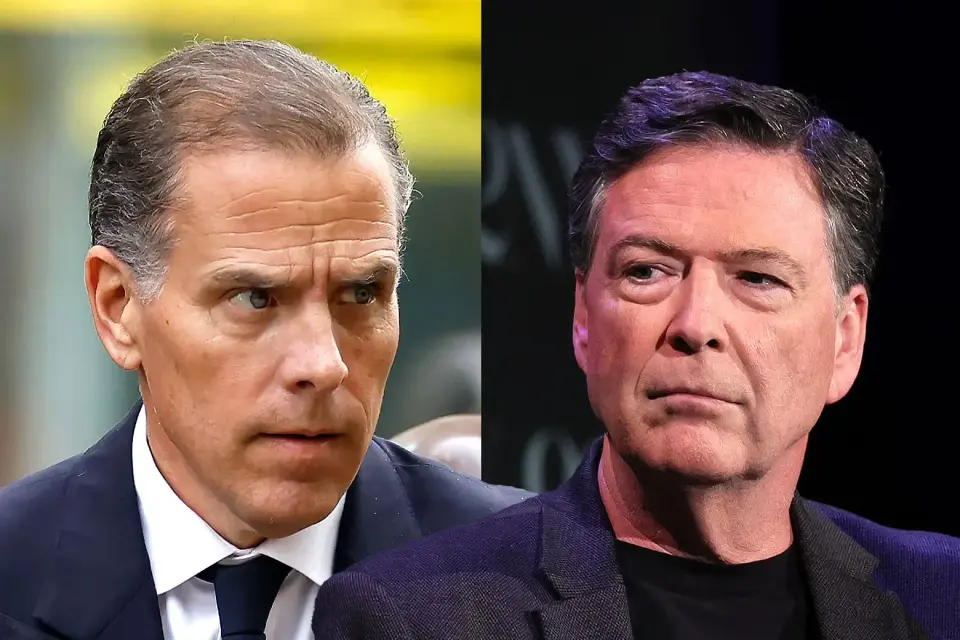
The Trump administration’s Justice Department has faced significant legal setbacks after using non-standard charging methods to target former FBI officials. A magistrate judge dismissed charges against Nikki Floris and Bradley Benavides for lacking probable cause, while a separate filing against James Comey faces dismissal over statutory limitations. Critics argue these moves prioritize political messaging over legal rigor.
Key points
- Magistrate Judge Zia Faruqui dismissed charges against former FBI agents Nikki Floris and Bradley Benavides, ruling the government failed to establish probable cause for false statement counts related to 2023 congressional testimony.
- The DOJ initiated the Floris and Benavides case via a 27-page criminal complaint rather than a grand jury indictment, a tactic typically reserved for urgent cases involving flight risk or danger, which is unnecessary for non-violent white-collar offenses.
- This procedural choice forced a preliminary hearing where the government’s key witness, FBI agent Bryan Witt, was cross-examined, leading to admissions that undermined the prosecution’s narrative regarding materiality and intent.
- Separately, the DOJ filed a criminal information against former FBI Director James Comey to pause the statute of limitations on Espionage Act charges, but Comey’s attorneys argue this method is legally invalid under the specific statute’s ten-year limit.
- Judge Faruqui criticized the prosecution as a 'weaponization' of the justice system, noting the timing coincided with the midterm elections and that the DOJ avoided grand juries that had recently rejected similar politically charged cases.
Background
This development follows a series of high-profile prosecutions by the current DOJ against former Trump-era officials. In late October 2026, the department charged Floris and Benavides via complaint, a move previously seen as an attempt to bypass grand jury scrutiny. Earlier in the month, Judge Trevor McFadden began weighing the dismissal of Comey’s charges, noting the DOJ’s reliance on an information to toll the statute of limitations was legally questionable. These cases follow a pattern where the DOJ has faced grand jury rejections in Washington, D.C., leading prosecutors to seek alternative charging mechanisms.
How outlets are covering it
Slate’s Jonathan Ross argues that the DOJ’s use of complaints and informations is a strategic maneuver to generate public attention and political points, rather than a genuine pursuit of justice. He notes that the 27-page affidavit provided more detail than a typical indictment, serving as a de facto press release. Lawfare’s coverage highlights the procedural errors, such as the filing of an unsigned superseding complaint, and the judge’s skepticism regarding the government’s novel interpretation of charging rules. While Slate focuses on the political motivation behind the tactic, Lawfare emphasizes the technical legal failures and the judge’s refusal to rubber-stamp the government’s actions. Both sources agree that the DOJ’s approach has backfired, resulting in dismissals and credibility issues, but they differ in emphasis: Slate frames it as a betrayal of DOJ norms, while Lawfare details the specific procedural missteps that led to the judge’s rejection of the charges.
Why it matters
The dismissal of these charges signals a potential shift in how federal courts view politically motivated prosecutions. If the DOJ continues to use non-standard charging methods to bypass grand juries, it may face increased judicial scrutiny and legal challenges. The failure to secure probable cause in these high-profile cases could undermine the department’s credibility and set precedents for future cases involving former officials. Additionally, the timing of these actions, close to midterm elections, raises concerns about the politicization of the justice system and its impact on public trust in legal institutions.
What to watch
The DOJ may attempt to seek a grand jury indictment for the Floris and Benavides case, though analysts suggest this is unlikely given the judge’s findings and recent grand jury rejections. For the Comey case, the DOJ is pursuing a grand jury indictment while facing a pending motion to dismiss the information. The outcome of these cases will likely influence how the DOJ approaches future prosecutions of former officials and may lead to broader legal debates over the use of complaints and informations in politically charged cases.
- I Used to Work at the DOJ. Nobody Is Talking About the Scary New Tactic It’s Using to Target Trump Foes. Slate Magazine
- Judge Throws Out Charges Against Former F.B.I. Officials The New York Times
- Judge cites ‘weaponization’ in tossing charges for ex-FBI agents accused of lying about Hunter Biden The Boston Globe
- FBI Agents Charged Over Lying to Congress: A Hearing Diary Lawfare
- The DOJ’s Latest Political Trick Falls Flat Bloomberg.com
Want the full story? Read the original reporting
Read on Slate Magazine