
El-Sayed rejects culture war framing in Fox News debate, pivots to cost of living
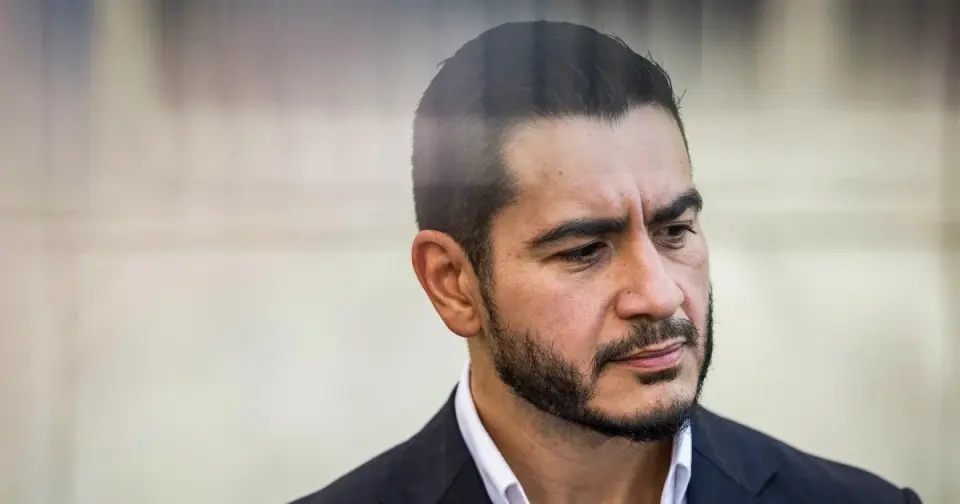
Michigan Senate nominee Abdul El-Sayed clashed with Fox News host Jesse Watters, rejecting 'culture war' questions to focus on affordability. El-Sayed defended his stance against ICE abolition by citing past enforcement effectiveness and argued that government should not dictate medical decisions between patients and doctors. He also criticized his opponent, Mike Rogers, for prioritizing tax cuts for billionaires over infrastructure.
Key points
- El-Sayed stated he is not there to fight a culture war but to address the affordability crisis affecting Michiganders.
- He argued that immigration enforcement worked better under the predecessor agency, INS, without the violence associated with current ICE operations.
- El-Sayed compared Sharia law to Christian canon law, asserting that no one is trying to impose Islamic law on others.
- He advocated for higher taxes on individuals earning over $100 million to fund roads and schools, contrasting this with his opponent's platform.
- El-Sayed suggested that sports eligibility and medical procedures should be decided by governing bodies and doctors, respectively, not the government.
Background
This interview follows previous controversies where El-Sayed faced scrutiny over his comments on Sharia law and his support for gender-affirming care. Earlier in the campaign, he distanced himself from controversial remarks by campaign partners and pushed back against JD Vance's attacks on his faith. As a Muslim candidate, El-Sayed has consistently emphasized his immigrant background and focus on economic issues over cultural disputes.
How outlets are covering it
NBC News reported the interview as a combative but largely jovial exchange where El-Sayed repeatedly pivoted to affordability. The Detroit News highlighted specific takeaways, including El-Sayed calling his opponent a 'beta' and his refusal to answer if the NFL is racist, instead citing high ticket prices. Both outlets noted the tension over the circumcision question, with Watters calling El-Sayed's response 'wacky' and 'naive,' while El-Sayed maintained that government should not interfere in private medical decisions.
Why it matters
The exchange highlights the strategic challenge El-Sayed faces in appealing to swing voters in Michigan. By refusing to engage with polarizing cultural issues, he risks alienating conservative voters but aims to resonate with those prioritizing economic stability. His ability to reframe the debate toward healthcare and taxes could influence the outcome of a close race against Mike Rogers.
What to watch
Both candidates have agreed to debate on October 8 at WOOD-TV in Grand Rapids. El-Sayed will continue to campaign on affordability and healthcare, while Watters and other conservative media may continue to press him on cultural issues. The November election will determine if El-Sayed becomes the first Muslim senator.
- Abdul El-Sayed pushes back in Fox News interview: ‘Not here to fight a culture war’ NBC News
- Four Takeaways From Abdul El-Sayed’s Wild Fox News Interview WSJ
- El-Sayed and Watters clash in Fox News interview over culture war, gas prices The Hill
- Jesse Watters wanted to debate trans kids’ bodies — until Dr. Abdul El-Sayed asked about his Advocate.com
- El-Sayed sparred on Fox News with Jesse Watters. Here's what was said The Detroit News
Want the full story? Read the original reporting
Read on NBC News