
El-Sayed Challenges Vance on Hypocrisy Amid Michigan Senate Clash
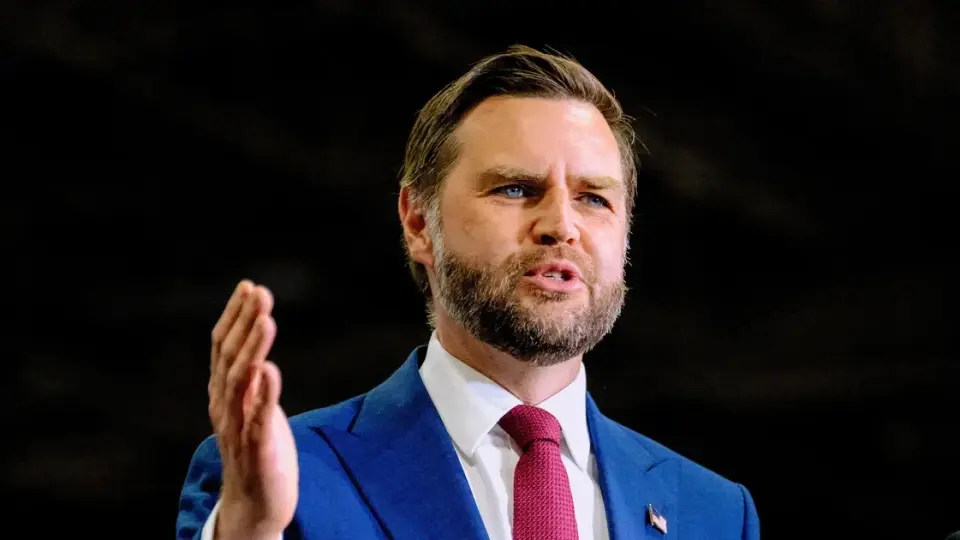
Michigan Democratic Senate nominee Abdul El-Sayed responded to Vice President JD Vance’s sharp criticism of his remarks regarding Usha Vance, arguing that the vice president’s attacks reveal hypocrisy regarding who is considered 'American.' The dispute, which began in August, has intensified ahead of the November midterms, with Vance accusing El-Sayed of being 'evil' and divisive, while El-Sayed counters that Vance is engaging in 'dog-whistling' about ethnicity and religion.
Key points
- El-Sayed told CNN he would rather not discuss spouses but argued that Trump and Vance’s actions highlight a belief that some people are 'more American' than others.
- Vance called El-Sayed 'very, very evil' at a Sterling Heights rally, telling him to keep his wife’s name out of his mouth because she is 'way out of his league.'
- The conflict originated when El-Sayed questioned whether Vance would take his wife back in time to meet his grandfather, referencing Vance’s comments on Sharia law.
- Vance accused El-Sayed of supporting policies that undercut auto workers and truckers, while El-Sayed framed the race as a fight for the working class against billionaires.
- Gas prices in Michigan reached $4.19 per gallon near the rally site, though Vance avoided discussing the trade war or fuel costs in his speech.
Background
This exchange follows earlier tensions in August 2026, where El-Sayed faced backlash for comments referencing Usha Vance’s Indian heritage and past remarks on Sharia law. Previous coverage noted El-Sayed’s apology for comments made after a synagogue attack and his ongoing clashes with Vance over immigration and healthcare policy. The current dispute is part of a broader midterm cycle where the Trump administration’s directives are influencing voter sentiment in Michigan.
How outlets are covering it
HuffPost emphasizes El-Sayed’s argument that Vance’s attacks expose hypocrisy regarding American identity and immigration. Fox News focuses on Vance’s defense of his wife and his criticism of El-Sayed’s past support for driver’s licenses for illegal immigrants, framing the issue as a policy debate. Bridge Michigan highlights Vance’s broader strategy of painting Democrats as divisive and 'evil,' while noting the absence of discussion on data centers and gas prices. Detroit Free Press notes the economic context, including high gas prices and tariffs, and contrasts Republican claims of economic success with Democratic arguments that Trump’s policies are harming Michigan families.
Why it matters
The clash highlights deepening cultural and policy divisions in the 2026 midterm elections, particularly in battleground states like Michigan. It reflects broader tensions over immigration, religious identity, and economic policy, with both sides accusing the other of using divisive rhetoric to mobilize voters. The dispute also underscores the impact of national politics on local races, as federal figures like Vance and Trump directly influence the narrative in key states.
What to watch
El-Sayed and Vance are expected to continue exchanging attacks in the lead-up to the November 3 midterms. El-Sayed may further challenge Vance on issues of hypocrisy and American identity, while Vance is likely to focus on policy disagreements, including immigration and economic issues. The Michigan Senate race between El-Sayed and Republican Mike Rogers will be a key indicator of voter sentiment in the state.
- Rising Dem Star Fires Back At JD Vance’s Outrage Over Wife Dig And Points Finger At Trump HuffPost
- Vance unloads on El-Sayed after Usha swipe with brutal warning: 'Way out of your league' Fox News
- JD Vance stumps for Michigan GOP; swipes at El-Sayed for wife comments Bridge Michigan
- El-Sayed on Vance ‘evil’ remark: ‘What’s evil is corrupting yourself’ The Hill
- In Michigan, Vance casts election as referendum on Democrats' future Detroit Free Press
Want the full story? Read the original reporting
Read on HuffPost