
Emanuel urges Schumer to retire after 2028 to resolve Democratic leadership tensions
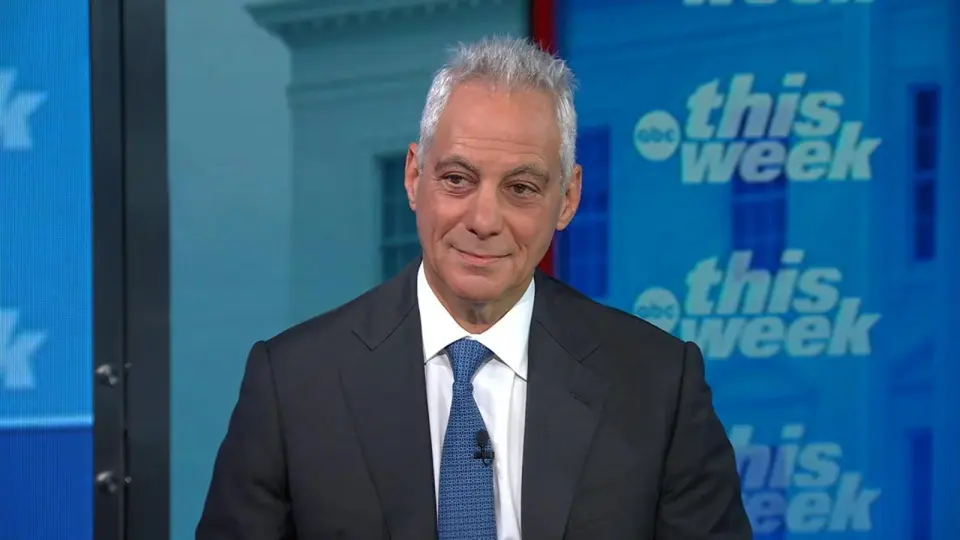
Former Mayor Rahm Emanuel has called on Senate Democratic leader Chuck Schumer to publicly commit to stepping down after the next Congress. This demand aims to resolve internal party tensions following a strong midterm victory and a challenge from Sen. Chris Van Hollen. Emanuel also defended the nomination of Rep. Hakeem Jeffries for House Speaker, criticizing progressive defectors who opposed the historic candidate.
Key points
- Emanuel stated that Schumer should announce he will not run for majority leader in the next cycle to allow younger voices to rise.
- Schumer is set to turn 76 on November 22, 2026, and faces a leadership challenge from Sen. Chris Van Hollen on December 1.
- House Democrats nominated Rep. Hakeem Jeffries for Speaker, with 11 defectors, mostly first-term progressives, voting against him.
- Emanuel outlined policy goals for the incoming majority, including a $20 federal minimum wage by 2030 and ethics reforms.
- Emanuel suggested the next Democratic president should repurpose the White House ballroom to highlight democratic history.
Background
Following the 2026 midterm elections, Democrats secured a 56-seat majority in the Senate and a wide House margin. This shift triggered a leadership vacuum in the Republican Party, with House Speaker Mike Johnson resigning. The Democratic caucus now faces internal divisions over leadership succession, with figures like Elissa Slotkin and Angela Alsobrooks taking sides in the Schumer-Van Hollen contest. President Trump has signaled a veto-heavy approach against the new Democratic Congress, intensifying the political stakes for the incoming leaders.
How outlets are covering it
ABC News highlights Emanuel’s direct call for Schumer to step down and his defense of Jeffries against progressive defectors. Politico’s Jonathan Martin argues that Schumer should voluntarily announce his retirement to smooth his path back to leadership and empower lieutenants like Kirsten Gillibrand and Adam Schiff. The Boulder Daily Camera, via guest columnist LZ Granderson, frames the issue as a generational shift, noting that historic wins in states like Mississippi and Michigan occurred despite Schumer’s traditional gatekeeping. While Emanuel focuses on coalition loyalty, Martin emphasizes political capital, and Granderson critiques the 'industrial kingmaking' era, all three sources agree that the party’s direction is shifting away from long-serving incumbents.
Why it matters
The resolution of this leadership dispute will determine the strategic direction of the Democratic party in a period of significant legislative power. A clear succession plan could unify the caucus and allow for the implementation of major policy goals, such as tariff reductions and ethics reforms. Conversely, continued internal friction may hinder the party’s ability to capitalize on its midterm victory and effectively check the executive branch.
What to watch
The secret ballot vote for Senate majority leader is scheduled for December 1. Schumer is expected to win, but the outcome will depend on whether he addresses the succession question. In the House, Rep. Hakeem Jeffries is expected to win the speaker’s gavel in January, potentially becoming the first Black speaker in U.S. history. Emanuel has not confirmed his 2028 presidential ambitions but has outlined a platform focused on wage increases and government ethics.
- Rahm Emanuel: Sen. Schumer should commit to stepping down as leader after next Congress ABC News - Breaking News, Latest News and Videos
- Chuck Schumer’s Best Exit Is on His Own Terms Politico
- Schumer led Democrats to big Senate win. Now, some say they need a new leader Reuters
- David Axelrod Warns Chuck Schumer Not to Repeat Biden’s Mistake Newsweek
- Schumer’s political era is over. Democrats need a public servant to lead them. (Opinion) Daily Camera
Want the full story? Read the original reporting
Read on ABC News - Breaking News, Latest News and Videos