
Supreme Court faces urgent decision on USPS mail ballot restrictions amid 2026 midterms
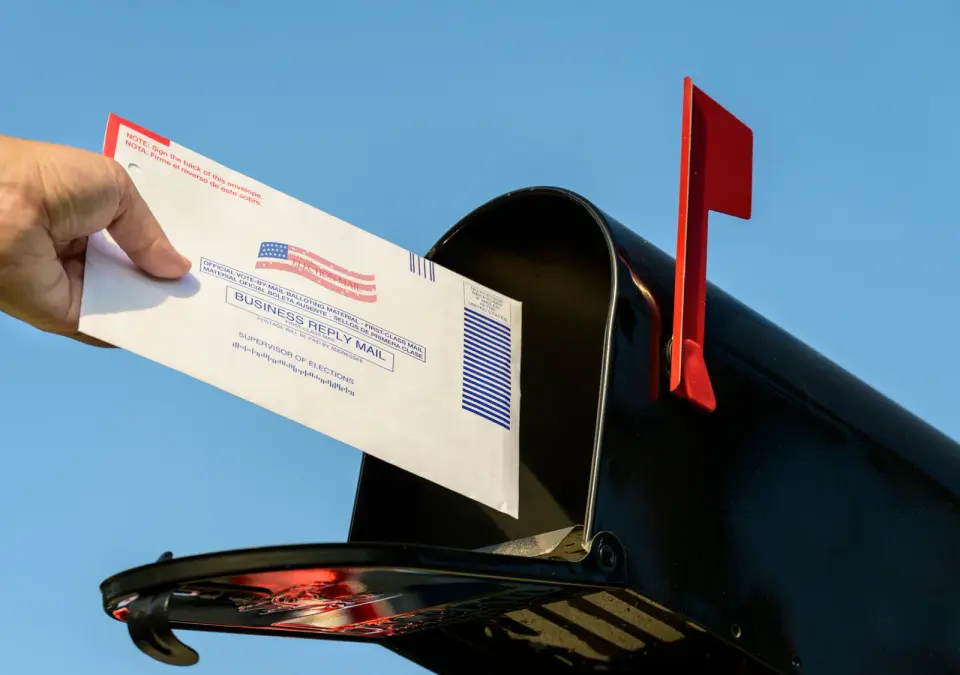
The Trump administration has asked the Supreme Court to lift a preliminary injunction blocking new U.S. Postal Service rules for mail ballots in the 2026 midterms. Judge Indira Talwani blocked the rules, citing lack of statutory authority and risks of mass disenfranchisement. The administration argues the rules are modest logistical requirements, while critics and a bipartisan group of lawmakers contend the executive branch is unlawfully seizing election powers from states.
Key points
- Solicitor General John Sauer filed an emergency application on September 6, 2026, asking the Supreme Court to stay a preliminary injunction issued by District Court Judge Indira Talwani on September 4.
- The USPS Final Rule, promulgated three days before the Supreme Court’s earlier ruling in Trump v. California, imposes nine preconditions for delivering federal mail ballots, including a new voter portal enrollment requirement and specific envelope specifications.
- Judge Talwani ruled the rule likely unlawful and unconstitutional, noting that the Postal Service lacks statutory authority and that immediate implementation could disenfranchise millions of voters due to logistical impossibilities.
- The administration argues the rule does not federalize elections but merely imposes 'reasonable preparation requirements' for mail delivery, while the plaintiffs argue the rule is ultra vires and arbitrary.
- A bipartisan group of over 250 current and former lawmakers filed an amicus brief arguing the executive order and subsequent rule unlawfully usurp authority granted to states and Congress by the Constitution.
Background
This dispute follows a March 2026 executive order by President Trump aimed at restricting mail-in voting. The Supreme Court previously ruled in Trump v. California that a challenge to the rule was premature because the final rule had not yet been promulgated. However, the USPS issued the final rule shortly after, leading to new lawsuits. Earlier coverage highlighted concerns about the rushed implementation timeline, with the rule finalized less than 70 days before the November 2026 elections, and noted that the Supreme Court had previously declined to intervene in the initial challenge due to procedural timing.
How outlets are covering it
The Trump administration and the Department of Justice, represented by Solicitor General John Sauer, argue that the USPS rule is a modest, lawful measure to ensure efficient ballot delivery and detect fraud, asserting that it does not dictate voter eligibility or ballot content. In contrast, the plaintiff states and voting rights organizations, including the League of Women Voters, contend that the rule is ultra vires, lacks statutory authority, and will cause mass disenfranchisement due to the impossible timeline for compliance. NBC News reports that the administration is escalating the matter to the Supreme Court for the third time, while MS NOW highlights a bipartisan amicus brief from over 250 lawmakers arguing the executive branch is unlawfully seizing election powers. Just Security’s Marty Lederman argues that the Supreme Court should deny the stay based on the balance of equities, noting that the government has not demonstrated any concrete harm from the injunction, whereas the plaintiffs face severe logistical and legal burdens.
Why it matters
The outcome of this case could determine whether millions of voters can receive and return mail ballots for the 2026 midterm elections. If the Supreme Court grants the stay, the USPS could enforce rules that may prevent timely delivery of ballots in many jurisdictions, potentially disenfranchising voters. Conversely, if the Court denies the stay, the preliminary injunction will remain in effect, allowing states to continue their current mail ballot processes without federal interference. The case also sets a precedent for the extent of federal executive power over state-administered elections and the limits of agency rulemaking in the context of voting rights.
What to watch
The Supreme Court is expected to rule on the government’s stay application this week, with expedited briefing schedules in the First Circuit and the Supreme Court concluding by October 14, 2026. Justice Ketanji Brown Jackson has directed the plaintiffs to file their opposition by 4:00 p.m. on October 15, followed by the Solicitor General’s reply. The decision will likely hinge on the balance of equities, with the government arguing for the rule’s legitimacy and the plaintiffs emphasizing the severe harms of disenfranchisement and logistical impossibility.
- The Simplest Way for the Supreme Court to Rule in the USPS Mail Ballots Case Just Security
- Trump’s Mail Voting Plan Is Coming to a Head. Here’s What to Know. The New York Times
- Trump administration asks Supreme Court to allow mail ballot restrictions to move forward for a third time NBC News
- Midterm mail ballots start to go to voters as litigation over Trump’s order creates uncertainty apnews.com
- Former GOP lawmakers join Democrats to challenge Trump’s mail-in voting crackdown ms.now
Want the full story? Read the original reporting
Read on Just Security