
Experts urge Ninth Circuit to dismiss DOJ bid to block Alaska Senate certification
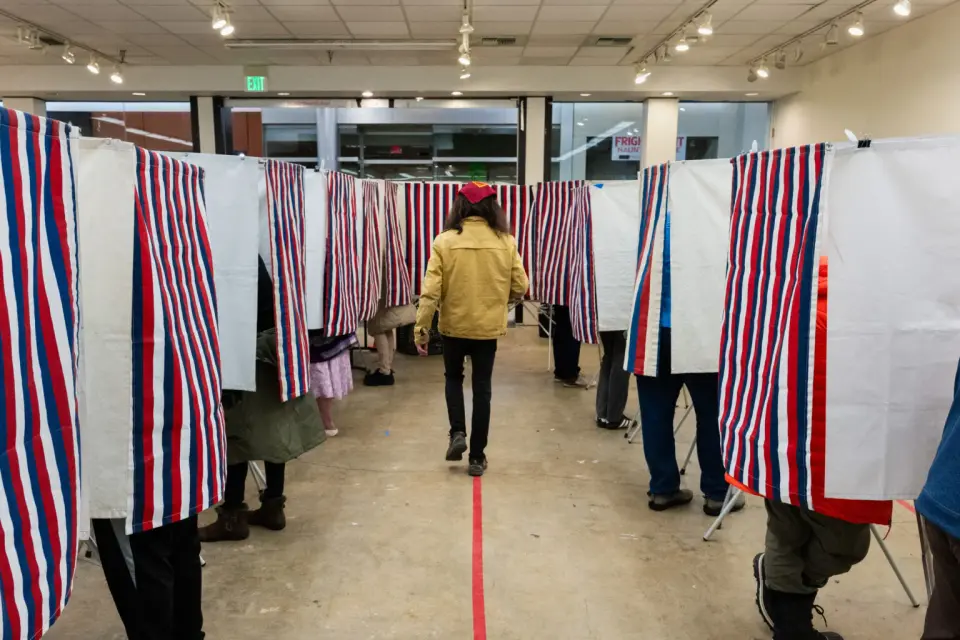
Voting experts and former election officials submitted amicus briefs to the Ninth Circuit, urging the court to dismiss the U.S. Department of Justice’s lawsuit seeking to block certification of Alaska’s U.S. Senate race. The DOJ argues that voter confusion between incumbent Sen. Dan Sullivan and unaffiliated candidate Dan J. Sullivan invalidates the results. A district court already rejected the suit on Nov. 1, finding no legal basis for federal intervention. Critics argue the state’s ranked-choice voting system and clear ballot labeling mitigated any confusion, while the DOJ contends the results must be scrutinized to ensure fairness. Democratic candidate Mary Peltola currently leads in vote counts, with her lead exceeding the combined totals of both Sullivan candidates.
Key points
- The DOJ sued to prevent Alaska from certifying its Senate race results, citing alleged voter confusion between two candidates named Dan Sullivan.
- A federal district judge dismissed the lawsuit on Nov. 1, stating the government failed to explain how segregating ballots would redress injury without violating secret ballot rights.
- Amicus briefs from election scholars and former Maricopa County Recorder Stephen Richer argue the state courts already resolved ballot access issues before the election.
- Alaska’s ranked-choice voting system allows voters to rank candidates, which experts say reduces the impact of any potential confusion.
- The DOJ has appealed to the Ninth Circuit, though the case may become moot if the current vote lead is sufficient to determine the winner.
Background
This dispute follows a broader pattern of federal challenges to state election procedures in the 2026 midterms, including rejected attempts to segregate ballots in California. Alaska voters recently rejected efforts to repeal ranked-choice voting, maintaining the system that complicates the DOJ’s argument about voter confusion. The case highlights ongoing tensions between federal authority and state control over election certification.
How outlets are covering it
Democracy Docket and the UCLA Safeguarding Democracy Project emphasize that the DOJ’s action is an unprecedented overreach, arguing that state courts properly handled ballot access and that federal interference violates constitutional principles. They note that the DOJ waited until late in the election season to file suit, invoking the laches doctrine. In contrast, the DOJ, as reported by The Christian Science Monitor and National Review, maintains that the presence of a similarly named candidate created a risk of voter confusion that could invalidate the race if the incumbent loses. National Review frames the issue within broader partisan tensions, noting President Trump’s criticism of Sen. Lisa Murkowski for opposing the lawsuit, while Anchorage Daily News reflects voter frustration with federal scrutiny of ballots. The sources diverge on whether the state’s election machinery functioned as designed or if federal intervention is necessary to protect electoral integrity.
Why it matters
The outcome of this legal challenge could set a precedent for federal interference in state election certification. If the Ninth Circuit upholds the district court’s dismissal, it reinforces state authority over election administration. Conversely, a ruling in favor of the DOJ could open the door for future federal challenges to election results based on alleged voter confusion, potentially undermining public confidence in the electoral process. The case also tests the limits of federal power in the context of ranked-choice voting and ballot access disputes.
What to watch
The Ninth Circuit must decide whether to hear the DOJ’s appeal. If the case proceeds, it may not be resolved until after the election, potentially rendering it moot if the current vote lead is sufficient to determine the winner. The DOJ has not yet filed a brief outlining its legal arguments, and the court’s timeline remains uncertain. State officials continue to count ballots, with final certification pending the resolution of any legal challenges.
- Reject Trump’s ‘embarrassing’ Alaska lawsuit, voting experts tell court Democracy Docket
- Letter: Justice Department’s ballot scrutiny is an insult to voters Anchorage Daily News
- The Trump administration's attempt to freeze the US Senate election in Alaska rejected by federal judge www.tcnjsignalnews.com
- Victory for Alaska Voters: Court Rejects Trump/Vance Administration’s Attempt to Interfere in Senate Election Common Cause
- Lisa Murkowski and a Murky Situation in Alaska National Review
Want the full story? Read the original reporting
Read on Democracy Docket